
Pests and Diseases
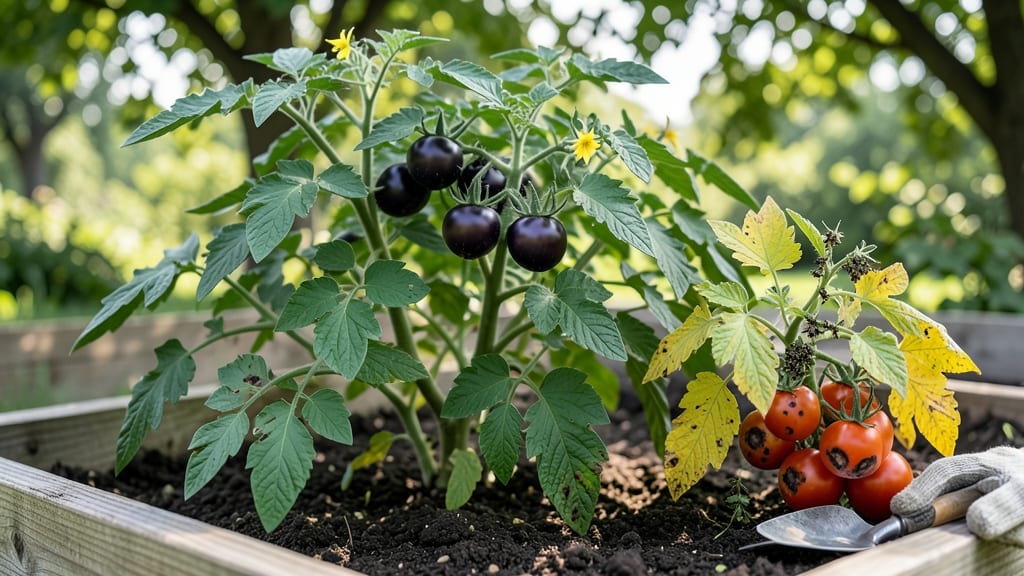
The black krim tomato problems you’re facing—sour, rotten blossom ends—happen when calcium starvation takes over, leaving your harvest ruined. 🌱 I’ve seen this happen even with the most careful gardeners, but the fix is simpler than you’d think: it’s all about soil moisture, mulch, and timing.
The problem starts when inconsistent watering throws off calcium uptake, especially in hot, dry weather. These heirloom beauties are late bloomers, so they need steady care from the first flower. A thick layer of mulch keeps roots happy, and side-dressing with crushed eggshells gives them that calcium boost they crave.
By midseason, your plants will be producing firm, flavorful tomatoes instead of those sad, rotten bottoms. The key is consistency—water deeply twice a week and watch those blossom ends stay perfect. Works for backyard gardens, containers, or even community plots. Let’s get those Krims back on track!
Root Causes Of Black Krim Tomato Issues
Black Krim tomatoes are prized for their rich, smoky flavor and deep purple hue—but even these hardy plants aren’t immune to problems. Understanding why issues like blossom end rot, cracking, or poor fruit set occur is the first step to fixing them.
Below, we break down the most common culprits, backed by science, so you can take targeted action in your garden.
Blossom end rot—the classic brown, leathery spot on the fruit’s blossom end—is almost always caused by a calcium deficiency. But here’s the catch: it’s rarely because your soil lacks calcium. Instead, it’s due to:
- Uneven watering: Calcium moves through the plant via water. When soil moisture fluctuates (e.g., drought followed by heavy watering), roots can’t absorb enough calcium to reach the fruit.
- High soil salts or pH extremes: A pH below 6.0 or above 7.0 locks out calcium. Black Krims thrive in slightly acidic to neutral soil (6.0–6.8). Test your soil—if it’s off, amend with lime (calcium carbonate) or sulfur.
- Competition from other nutrients: Too much nitrogen or potassium can starve roots of calcium. A balanced 5-10-10 fertilizer (or organic alternatives like bone meal) helps.
Pro tip: 💡 Sprinkle crushed eggshells or gypsum (calcium sulfate) around plants for a slow-release fix. But don’t overdo it—excess calcium can block other nutrients!
Black Krim tomatoes are thirsty but finicky. Watering issues trigger multiple problems:
- Cracking fruit: Rapid water uptake after drought causes cells to swell and split. This is common in heavy, clay soils that hold water unevenly.
- Blossom end rot: As mentioned, inconsistent moisture disrupts calcium transport.
- Poor fruit set: Underwatering stresses plants, causing flowers to drop. Overwatering, meanwhile, leads to root rot (especially in containers or poorly drained soil).
Actionable fix: 🎯 Use drip irrigation or soaker hoses to deliver 1–1.5 inches of water per week, keeping soil consistently moist (not soggy). Mulch with straw to retain humidity and prevent temperature swings.
Black Krims love warmth but hate temperature extremes. Here’s how climate affects them:
| Issue | Cause | Solution |
|---|---|---|
| 🔥 Sunscald (white/yellow patches on fruit) | Temps above 90°F (32°C) + sudden heat spikes. Thin fruit skins can’t protect underlying tissue. | Provide shade cloth (30–50%) during peak afternoon heat. Use white mulch to reflect sunlight. |
| ❄️ Blossom drop (flowers falling off) | Temps below 55°F (13°C) at night or 85°F (29°C) during the day disrupts pollination. | Grow in protected microclimates (e.g., near walls or under row covers). Choose heat-tolerant varieties if your area exceeds 90°F. |
Pro tip: 🌡️ Monitor your garden’s microclimate with a soil thermometer. Black Krims perform best in 60–85°F (15–29°C) ranges.
Hidden invaders can weaken Black Krims, making them susceptible to other issues. Watch for:
- Hornworms: These green caterpillars devour leaves and flowers, reducing the plant’s ability to photosynthesize and set fruit.
- Aphids/Whiteflies: They sap sap, causing stunted growth and viral diseases that lead to poor fruit development.
- Fungal infections (early blight, septoria leaf spot): These thrive in humid, crowded conditions, blocking sunlight and nutrients from reaching the fruit.
Fix it: 🔥 Inspect plants weekly for pests. Use neem oil or insecticidal soap for soft-bodied bugs. For fungal issues, prune lower leaves to improve airflow and apply copper fungicide preventatively.
Most Black Krim tomato problems stem from preventable environmental factors. By addressing calcium, water, temperature, and pests proactively, you’ll turn potential disasters into bountiful harvests of those prized purple gems.
Quick Fixes for Black Krim Tomatoes
Black Krim tomatoes are prized for their rich flavor and striking appearance, but common issues like blossom end rot, cracking, or pests can turn your harvest into a disappointment. The good news? Most problems have simple, effective solutions—whether you’re dealing with nutrient deficiencies, environmental stress, or critters.
Below, we’ve mapped out practical fixes for the most frequent Black Krim tomato troubles, along with prevention tips to keep your plants thriving.
Blossom end rot is the #1 enemy of Black Krim tomatoes, causing dark, sunken spots on the fruit’s blossom end. The culprit? Lack of calcium—often due to inconsistent watering or poor soil health.
#### 🔥 Step-by-Step Fix: 1. 💧 Water Consistently - Keep soil evenly moist (not soggy or dry). Use a drip irrigation system or water deeply 1–2 times daily during heatwaves. - Pro Tip: 💡 Mulch with straw or grass clippings to retain moisture and prevent fluctuations. 2. 🌱 Boost Calcium Levels - Quick Fix: Sprinkle crushed eggshells or calcium-rich compost around the base of plants. Let them decompose for 2–3 weeks. - Long-Term Solution: Mix 1–2 tbsp of gypsum (calcium sulfate) into the soil at planting time or side-dress mid-season. - Avoid: Over-fertilizing with nitrogen—it speeds up growth but starves roots of calcium. 3. 🍽️ Harvest Early & Use Affected Fruit - If rot appears, pick the fruit before it fully ripens and let it finish on the counter. The affected end can be cut off before eating. #### 🛡️ Prevention Tips: - 🌡️ Monitor Weather: Blossom end rot thrives in hot, dry spells. Shade cloth (30–50%) can help during peak sun. - 📊 Soil Test: Check your soil’s pH (aim for 6.0–6.8) and calcium levels annually. Adjust with lime if needed.Black Krim tomatoes are susceptible to hornworms, aphids, early blight, and whiteflies. The key to stopping these invaders? Early action + natural remedies.
#### 👨🍳 Organic Treatments by Pest: | Pest/Disease | Signs | Fix It Fast | |-------------------------|------------------------------------|--------------------------------------------------------------------------------| | Hornworms | Large green caterpillars, chewed leaves | 🔪 Handpick at dawn (drop in soapy water). Introduce parasitic wasps or spray BT (Bacillus thuringiensis). | | Aphids | Sticky residue, curled leaves | 🍳 Blast off with a strong hose spray. Apply neem oil or soapy water (1 tbsp mild soap per quart of water). | | Early Blight | Brown spots with concentric rings | 🌱 Prune infected leaves. Spray copper fungicide or a baking soda mix (1 tbsp baking soda + 1 quart water + drop of soap). | | Whiteflies | Tiny white bugs, yellowing leaves | 🕯️ Use yellow sticky traps. Spray with neem oil or kaolin clay to deter them. | #### 🛡️ Prevention Tips: - 🌿 Crop Rotation: Avoid planting tomatoes (or nightshades) in the same spot yearly. - 🌱 Companion Planting: Surround tomatoes with basil, marigolds, or onions to repel pests. - 🌡️ Evening Care: Water plants at soil level (not leaves) to prevent fungal spores from spreading.Extreme heat or rapid growth spurts can cause Black Krim tomatoes to crack or develop sunscald. Here’s how to protect your harvest:
#### 🔥 Fixing Cracked Tomatoes: 1. 💧 Water Deeply & Slowly - Use a soaker hose to deliver water directly to roots, avoiding sudden moisture swings. - Pro Tip: 💡 Add 1 inch of mulch to slow evaporation and keep roots cool. 2. 🌱 Balance Fertilizer - Too much nitrogen = fast growth = cracks. Switch to a low-nitrogen, high-potassium fertilizer (like 5-10-10) to strengthen cell walls. #### 🛡️ Preventing Sunscald: - 🌞 Provide Shade: Use shade cloth (30%) during midday sun, especially in 90°F+ temps. - 🍅 Prune Strategically: Remove lower leaves to improve airflow and reduce heat stress on the fruit.With these targeted fixes, your Black Krim tomatoes should bounce back stronger than ever. The secret? Stay vigilant—check plants daily for early signs of trouble, and your garden will reward you with juicy, blemish-free tomatoes all season long! 🍅✨
Frequently asked questions about Black Krim tomato problems
Why do my Black Krim tomatoes develop blossom end rot even when I fertilize regularly?
Blossom end rot isn't usually caused by a lack of calcium in the soil, but by inconsistent watering or nutrient competition. Even with fertilizer, uneven moisture disrupts calcium uptake. Try mulching with straw and watering at the same time daily to maintain steady soil moisture.
Can I still eat tomatoes with blossom end rot?
Yes! Simply cut off the affected end before using. The rest of the tomato is perfectly safe and delicious. For prevention, harvest slightly underripe tomatoes when rot appears—they'll ripen indoors without further damage.
What's the best way to prevent hornworms from destroying my Black Krim plants?
Start with early detection—check leaves daily for large green caterpillars. Handpick them at dawn when they're sluggish, or introduce beneficial nematodes. For organic control, spray with Bacillus thuringiensis (BT) every 5-7 days during outbreaks.
Why are my Black Krim flowers falling off before setting fruit?
This "blossom drop" typically happens when nights are too cool (below 55°F) or days exceed 90°F. Try growing them near a warm wall or using row covers for protection. Also ensure consistent watering—stress from uneven moisture triggers flower drop.
How can I tell if my cracked tomatoes are from water issues or too much fertilizer?
Water-related cracks appear as radial lines from the stem outward, while fertilizer burns cause irregular splits. Check your soil—if it's too rich in nitrogen, switch to a balanced 5-10-10 fertilizer. For water issues, use drip irrigation to deliver moisture slowly and evenly.