
Pests and Diseases
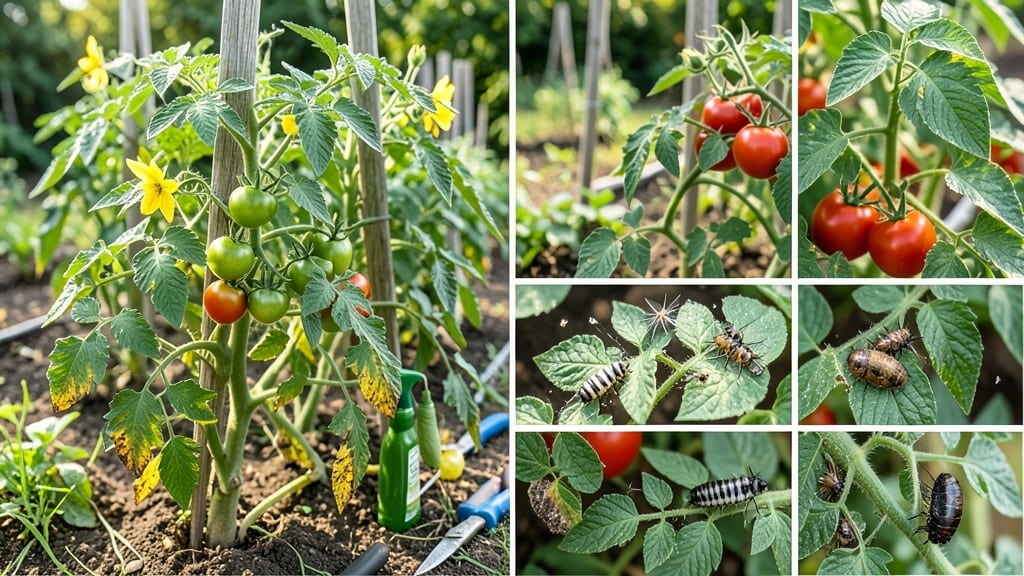
Identifying tomato plant pests and diseases with pictures before they ruin your harvest saves you from heartbreak—and hours of replanting. 🌱 I’ve lost entire tomato cages to blight and watched hornworms strip plants bare in a single night, but I’ve also learned how to spot these problems early with just a few simple checks.
The key is knowing what to look for: sticky leaves for aphids, brown spots for early blight, or wilted stems for fusarium wilt.
Most issues start with tiny clues: yellowing leaves, holes in foliage, or a white powdery coating. Aphids cluster on new growth, hornworms hide on the undersides of leaves, and powdery mildew looks like dust on plant surfaces.
Prevention is easier than treatment—rotate crops, water at the base, and remove infected leaves immediately. Organic fixes like neem oil or companion plants (like basil) work wonders before problems escalate.
By the time you finish this guide, you’ll recognize these pests and diseases faster than your phone can load a picture. Your tomatoes will stay lush, productive, and free from the most common threats—no more guessing games or wasted seasons.
The best part? These fixes work for backyard gardens, containers, and even raised beds.
Whether you’re a first-time gardener or a veteran with battle scars, this visual guide gives you the confidence to act fast. No more mystery illnesses or surprise pests—just healthy plants and a bountiful harvest. Let’s get those tomatoes thriving!
Root Causes Of Tomato Troubles
Tomato plants are resilient, but when pests and diseases strike, they don’t just happen randomly—they’re usually the result of specific conditions or vulnerabilities. Understanding why these problems occur is half the battle in preventing them.
Below, we break down the most common triggers, from environmental factors to plant health issues, so you can act before your crop is at risk.
Tomatoes thrive in warm, sunny conditions, but too much of a good thing—or sudden swings—can weaken their defenses, making them prime targets for pests and diseases.
- Extreme Heat 🔥: High temperatures (above 90°F/32°C) stress plants, slowing growth and reducing their ability to fight off fungal infections like early blight or powdery mildew. Heat also attracts pests like hornworms, which feed more aggressively on stressed foliage.
- High Humidity 💦: Moisture-laden air creates the perfect breeding ground for fungal spores. Diseases like blight and bacterial spot spread rapidly when humidity stays above 75% for prolonged periods, especially if leaves stay wet overnight.
- Excessive Rainfall 🌧️: Overwatering or poor drainage washes away beneficial microbes and nutrients, while also creating soggy soil that invites root rot (caused by Phytophthora) and fusarium wilt. Pests like slugs and cutworms also thrive in damp conditions.
- Temperature Fluctuations ❄️☀️: Sudden drops (below 50°F/10°C) or chilly nights shock plants, making them susceptible to bacterial diseases and aphid infestations. Aphids, in particular, multiply faster in cooler weather.
Pro Tip: Use mulch (straw or grass clippings) to regulate soil temperature and retain moisture without drowning roots. 💡 Space plants properly for airflow—crowding traps humidity and invites disease.
A tomato plant’s ability to resist pests and diseases hinges on its overall health. When nutrients, water, or sunlight are lacking, their immune system weakens, making them easy prey.
- Nutrient Deficiencies 🍃:
- Nitrogen (N) deficiency: Leads to yellowing leaves (chlorosis), stunting growth, and making plants more attractive to whiteflies and spider mites.
- Potassium (K) deficiency: Weakens cell walls, increasing susceptibility to blight and fruit rot.
- Magnesium (Mg) deficiency: Causes interveinal chlorosis, reducing photosynthesis and leaving plants energy-depleted to fight pests.
- Over-Fertilization 💥: Too much synthetic fertilizer (especially high in nitrogen) burns roots and attracts aphids and thrips. Organic buildup can also create imbalances, stressing plants.
- Water Stress 💧:
- Underwatering: Causes wilting and cracks in fruit, inviting fruitworms and cracking diseases like blossom-end rot.
- Overwatering: Leads to root suffocation, root rot, and fungal infections.
- Sunlight Deficiency ☀️➡️🌑: Shady spots (e.g., under trees or tall plants) weaken tomatoes, making them more prone to powdery mildew and aphid attacks. Weak stems also struggle to support heavy fruit, leading to buckling and pest entry points.
Pro Tip: Conduct a soil test every 2–3 years to check pH and nutrient levels. 🎯 For organic fixes, use compost tea or fish emulsion for a slow-release nutrient boost without burning roots.
Pests don’t just appear out of nowhere—they’re drawn to tomatoes by specific conditions you might be unintentionally creating.
- Lack of Natural Predators 🐞: Many tomato pests (like aphids or hornworms) are kept in check by birds, ladybugs, or parasitic wasps. Monoculture gardens (planting only tomatoes) or using pesticides kill these allies, leading to outbreaks.
- Attracting Pests with Plant Choices 🌿:
- Planting basils or marigolds near tomatoes can deter pests, but weeds or volunteer nightshades (like wild tomatoes) attract colorado potato beetles and stink bugs.
- Overripe or fallen fruit on the ground lures fruit flies and raccoons, while damp mulch invites slugs.
- Human Activity 👨🌾:
- Moving soil or compost from infested areas spreads nematodes or fungal spores.
- Using contaminated tools (pruners, stakes) transfers bacterial wilt or viral diseases between plants.
Pro Tip: Plant companion plants like basil (repels thrips) or nasturtiums (traps aphids). ✨ Install beneficial insect hotels to encourage ladybugs and lacewings naturally.
Diseases don’t jump randomly—they hitchhike on wind, water, tools, or even your hands. Understanding their vectors helps you break the cycle.
| Disease Type | How It Spreads | Prevention Tip |
|---|---|---|
| Fungal (e.g., early blight, powdery mildew) | Spores spread via wind, splashing water, or contaminated tools. | Water at the base of plants, not overhead. ⏰ Remove infected leaves immediately. |
| Bacterial (e.g., bacterial spot, wilt) | Transmitted by infected seeds, contaminated soil, or insects (like aphids). | Sterilize tools with rubbing alcohol. Avoid overhead irrigation. |
Fixing Tomato Plant TroublesWhen pests and diseases strike your tomato plants, quick action can mean the difference between a thriving harvest and a sad, wilted disappointment. 🍅😬 Below are practical, organic solutions tailored to the most common tomato plant problems—plus prevention tips to keep your garden healthy and productive. --- Fix it: - Remove infected leaves immediately 🔪: Snip off yellow or brown spots with clean pruners (sterilize with rubbing alcohol) and dispose of them in the trash—not the compost. - Improve airflow 🌬️: Space plants 18–24 inches apart and prune suckers to reduce humidity in the foliage. - Apply copper fungicide 🛡️: Spray plants every 7–10 days with a copper-based fungicide (like Bordeaux mixture) at the first sign of spots. - Water at the base 💧: Avoid wetting leaves, especially in the evening when humidity rises. Prevent it: - Choose blight-resistant varieties like ‘Mountain Merit’ or ‘Defiant PhR.’ - Rotate crops yearly—don’t plant tomatoes or potatoes in the same spot. - Mulch with straw to keep soil dry and reduce spore splash. --- Fix it: - Handpick them daily 👨🍳: Check leaves for 3-inch green caterpillars with white stripes. Drop them into soapy water (they’re edible for chickens if you’re feeling adventurous!). - Introduce beneficial insects 🐞: Ladybugs, lacewings, and parasitic wasps (like Cotesia congregata) love hornworm eggs. Buy them online or attract them with nectar-rich flowers. - Use BT spray 💊: Spray Bacillus thuringiensis (BT) every 5–7 days—it’s non-toxic to humans but deadly to caterpillars. Prevent it: - Plant basil near tomatoes—hornworms avoid it! - Remove egg clusters (tiny white ovals on leaves) before they hatch. --- Fix it: - Blast them off 💨: Shake plants over a bucket of soapy water or use a strong stream of water to dislodge adults. - Sticky traps 🏷️: Hang yellow sticky traps near plants to catch adults. - Neem oil spray 🌿: Mix 1 tsp neem oil + 1 tsp mild soap per quart of water. Spray undersides of leaves every 3–4 days. - Encourage predators 🦋: Parasitic wasps and lacewings feast on whiteflies—plant dill, fennel, or marigolds to attract them. Prevent it: - Inspect new plants before bringing them indoors. - Keep gardens weed-free (whiteflies love weeds like purslane). --- Fix it: - Spray with soapy water 🧼: Mix 1 tbsp mild dish soap + 1 quart water. Spray directly on aphids (they’ll drop off). - Hose them off 💦: A strong stream of water removes clusters instantly. - Introduce ladybugs 🐞: Release them in the morning when they’re most active hunting. Prevent it: - Avoid over-fertilizing with nitrogen (aphids love lush, soft growth). - Plant garlic, chives, or mint nearby—their strong scent repels aphids. --- Fix it: - Baking soda spray 🧂: Mix 1 tbsp baking soda + 1 tsp soap + 1 gallon water. Spray every 7–10 days. - Sulfur dust 🌡️: Lightly dust plants with elemental sulfur (follow package rates). - Prune for airflow 🌬️: Remove crowded branches to let sunlight dry leaves faster. Prevent it: - Space plants widely (18–24 inches apart). - Water early in the day so leaves dry quickly. 💡 Pro Tip: Always rotate your organic treatments to avoid pests building resistance. And when in doubt, prevention (like crop rotation, companion planting, and regular inspections) is your best defense! 🛡️ Frequently asked questions
1
What are the first signs of early blight on tomato leaves?Look for small, dark brown or black spots with concentric rings on older leaves—these appear first. The spots often have yellow halos around them. If you see this on lower leaves, act fast by removing infected foliage and applying copper fungicide before it spreads to fruit.
2
How do I tell if my tomato plant is dying from disease or pests?Check for physical damage first: holes in leaves or chewed stems mean pests (like hornworms or cutworms), while yellowing, wilting, or spots suggest disease. Examine leaf undersides for tiny insects or webs. Diseased plants often show symptoms on multiple leaves, while pests usually target specific areas.
3
Can I save a tomato plant with fusarium wilt?Unfortunately, fusarium wilt has no cure—once infected, the plant will die. Remove it immediately and sterilize your tools with rubbing alcohol to prevent spread. For next season, choose resistant varieties like 'Mountain Merit' and avoid planting tomatoes in the same spot for 3 years.
4
What's the fastest way to get rid of aphids on tomato plants?Spray with a strong stream of water to knock them off, then follow up with soapy water (1 tbsp mild dish soap per quart). For heavy infestations, release ladybugs in the morning—they'll eat hundreds in a day. Repeat every 3-4 days until gone.
5
Why do my tomato plants keep getting powdery mildew even after treatment?Powdery mildew thrives in humid conditions, so check your watering habits—wet leaves overnight create perfect breeding grounds. Space plants for better airflow, water at the base in the morning, and apply sulfur dust or neem oil preventatively before symptoms appear. |