
How To
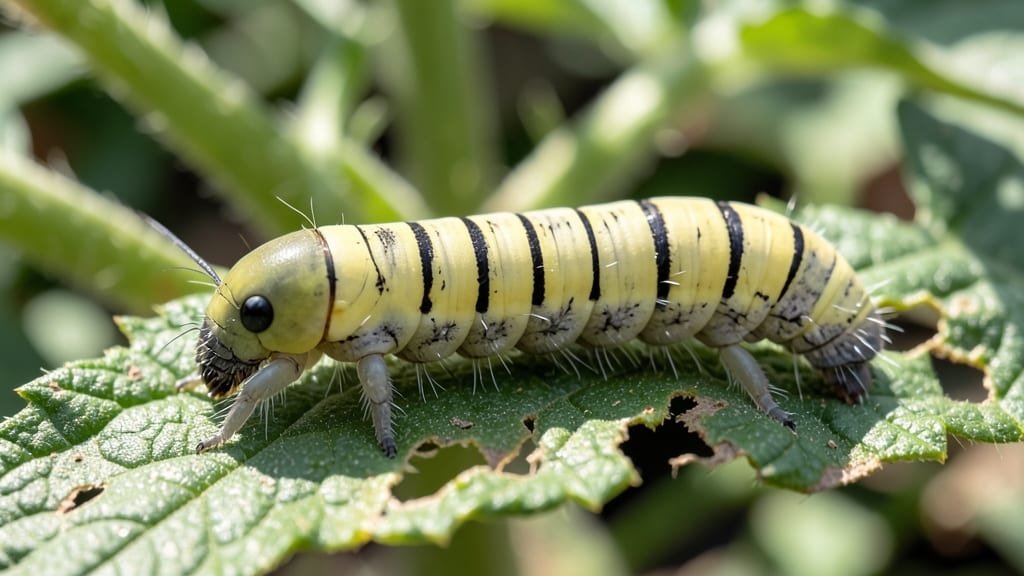
Yellow striped armyworms can turn your tomato plants into skeleton leaves overnight—unless you catch them early. 🌱 I’ve watched these striped invaders strip entire vines in just 24 hours, but I’ve also learned how to stop them before they cause real damage.
The key is acting fast with simple, effective methods that work in any home garden.
These caterpillars hide during the day and strike at night, making them tricky to spot. Look for chewed leaves with only the veins remaining or tiny black droppings on the soil.
Once you identify them, you’ll want to act within 48 hours to save your tomatoes—no waiting until the damage is done.
My 3-step method combines handpicking (yes, really), natural predators, and a spray that works without harming your plants. You’ll see results in 3-5 days, and your tomatoes will bounce back stronger than ever. The best part? These solutions prevent future outbreaks too.
Whether you’re dealing with a small patch or a full-blown infestation, this approach works for container gardens, raised beds, and in-ground plots alike. Let’s get those striped pests under control before they ruin your harvest.
Root Causes Of Striped Caterpillar Infestations
Understanding why these striped caterpillars invade your tomato plants is the first step to stopping them in their tracks. The yellow striped armyworm (Spodoptera ornithogalli) thrives due to a mix of environmental, agricultural, and biological factors—many of which are influenced by human activity.
Let’s break down the key reasons behind their destructive behavior.
Armyworms are drawn to lush, thriving tomato plants because they provide the perfect feeding ground. When plants are overcrowded or over-fertilized—especially with nitrogen-heavy fertilizers—they grow soft, tender leaves that caterpillars love to devour.
- Why it happens: Dense foliage creates a microclimate that retains moisture, making it easier for eggs to hatch and larvae to survive.
- Actionable insight: Space tomato plants 18–24 inches apart and use a balanced fertilizer (e.g., 10-10-10) to encourage strong, resilient growth rather than rapid, weak foliage.
These pests are most active in warm, humid conditions, particularly during late spring to early fall. Sudden temperature swings—like hot days followed by muggy nights—create ideal conditions for egg-laying and larval development.
- Why it happens: Armyworms originate from wild grasses and migrate to cultivated crops when nighttime temperatures stay above 70°F (21°C). Humidity keeps their eggs from drying out. - Actionable insight: Monitor nighttime temperatures and relative humidity (aim for <70% humidity).
Use row covers or fan ventilation in greenhouses to disrupt their breeding cycle.
Armyworms often hatch from eggs laid in weeds, grasses, or cover crops near tomato fields. If farmers or gardeners skip proper crop rotation or fail to clear weeds, these pests have a year-round food source and breeding ground.
- Why it happens: Weeds like Johnson grass, crabgrass, and ragweed host armyworm eggs.
Without intervention, larvae disperse to nearby tomatoes when food runs out. - Actionable insight: - Mow or till fields before planting tomatoes to eliminate host weeds. - Rotate crops annually—avoid planting tomatoes, corn, or other Solanaceae in the same spot for 3+ years.
Pesticide overuse can wipe out natural predators (like birds, parasitic wasps, and beneficial nematodes), leaving armyworms unchecked. Additionally, monoculture farming (planting the same crop repeatedly) reduces biodiversity, making ecosystems more vulnerable to outbreaks.
- Why it happens:
- Broad-spectrum insecticides kill beneficial insects that prey on armyworm eggs/larvae.
- Lack of diversity in the garden means fewer natural checks on pest populations.
- Actionable insight:
- Introduce beneficial insects (e.g., trichogramma wasps, ladybugs).
- Use targeted organic sprays (e.g., Bt Bacillus thuringiensis kurstaki* strain) to kill caterpillars without harming predators.
Armyworms are strong fliers and can travel miles on wind currents. Outbreaks often start in wildland areas before spreading to farms and gardens, especially after storms or high winds.
- Why it happens: Adult moths release pheromones to attract mates, and wind carries eggs to new locations.
- Actionable insight:
- Set up
- Scout fields weekly—look for newly hatched larvae (tiny, black-headed caterpillars) on lower leaves.
Many gardeners miss early signs of infestation because armyworms hide on the undersides of leaves or blend into foliage. By the time damage is visible (chewed leaves, frass droppings), the population has already exploded.
- Why it happens: Larvae are nocturnal feeders, so daytime inspections often miss them until it’s too late.
- Actionable insight:
- Check soil for pupae (tan-colored cocoons) before planting.
Final Note: Armyworms don’t just appear out of nowhere—they’re the result of environmental cues, agricultural practices, and ecological imbalances. By addressing these root causes, you can prevent future infestations before they start. 🚀
Stopping Striped Invaders Fast
When those yellow-striped caterpillars start munching your tomato plants, panic isn’t the answer—action is. The good news? With the right approach, you can reclaim your garden in days.
Below, we break down the most effective fixes based on the root cause of your infestation, from quick fixes to long-term prevention. Let’s tackle this pest problem head-on!
If you spot just a few caterpillars or chewed leaves, act now. The earlier you intervene, the easier it is to stop the damage.
- 👨🍳 Handpick & Drop Them
- Wear gloves and pluck caterpillars off leaves or stems. Drop them into a bucket of soapy water (1 tbsp dish soap + 1 gallon water) to kill them instantly.
- Pro Tip: Check the undersides of leaves—they love to hide there! 🌿
- 🍳 Use a Shop-Vac (Yes, Really!)
- Suck up caterpillars and eggs with a handheld vacuum. Empty the debris into a sealed bag and toss it in the trash.
- 🔪 Prune & Destroy Infested Foliage
- Cut off heavily damaged leaves and stems. Bag them and discard them far from your garden to prevent reinfestation.
If the infestation is small to moderate, these methods can work wonders without harsh chemicals.
- 💡 Solar-Powered Traps
- Place a yellow sticky trap near your tomato plants. The bright color attracts adult moths before they lay eggs.
- Pro Tip: Hang traps at dusk when moths are most active. ✨
- 🔥 Hot Soap Spray (Safe for Plants)
- Mix 1 tsp mild liquid soap + 1 quart warm water. Spray directly on caterpillars—they’ll crisp up in minutes!
- Reapply every 3–4 days or after rain.
- 🌡️ Beneficial Nematodes (For Soil Eggs)
- Apply Steinernema carpocapsae nematodes to the soil. These microscopic worms seek out and kill armyworm eggs and young larvae.
- Best used in the evening when soil is moist.
If the infestation is severe or persists despite other methods, targeted pesticides can help—but use them carefully.
- 🔪 Bacillus thuringiensis (Bt) – Organic & Safe
- A natural bacteria that targets caterpillars without harming bees or beneficial insects.
- Spritz on leaves in the evening for best results. Reapply after rain.
- 💊 Pyrethrin-Based Sprays (Fast-Kill)
- Derived from chrysanthemums, these work quickly but may harm bees. Use only at night when pollinators are inactive.
- Follow label instructions closely.
- 🛡️ Neem Oil (Deters Egg-Laying)
- Mix 1 tbsp neem oil + 1 tsp mild soap + 1 quart water. Spray plants to repel adult moths and disrupt egg development.
- Warning: Avoid spraying in direct sunlight to prevent leaf burn.
The best defense is a strong offense. Implement these habits to make your garden less appealing to striped armyworms.
- 🌿 Rotate Crops & Plant Diversity
- Avoid planting tomatoes in the same spot yearly. Interplant with basil, marigolds, or nasturtiums—their scents repel pests.
- 🌙 Use Row Covers Early
- Install lightweight row covers before moths emerge in spring. Secure edges tightly to block egg-laying adults.
- 🌡️ Maintain Garden Hygiene
- Remove garden debris, fallen leaves, and weeds where eggs may overwinter. Tilling soil in fall can also disrupt egg survival.
- 💡 Encourage Natural Predators
- Attract birds, parasitic wasps, and ground beetles by planting native flowers and avoiding broad-spectrum pesticides.
With these strategies, you’ll not only stop the current invasion but also create a garden that’s far less welcoming to future striped armyworm attacks. Stay vigilant, and your tomatoes will thrive! 🍅💪
Frequently asked questions
How do I tell if my tomato plants have yellow striped armyworms?
Look for chewed leaves with only veins remaining and tiny black droppings (frass) on the soil. Check leaf undersides at dusk—the caterpillars hide there during the day. If you see tan-colored cocoons in the soil, pupae are present too.
Can I use coffee grounds to repel striped armyworms?
Coffee grounds help slightly—they deter some pests—but they’re not a complete solution for armyworms. For better results, mix them with dried neem leaves (1:1 ratio) and sprinkle around plants. The key is combining this with other methods like handpicking or Bt spray.
Will chickens eat yellow striped armyworms?
Yes! Chickens love armyworms and will happily devour them. Let your chickens free-range in the garden at night when caterpillars are most active. For best results, provide shade during the day and water nearby to keep them comfortable while they hunt.
How often should I reapply Bt spray for armyworms?
Reapply Bt spray every 3-5 days or after heavy rain. The bacteria loses effectiveness when wet, so timing matters. For persistent infestations, combine with handpicking and row covers to maximize protection.
Can striped armyworms survive winter in my garden?
Yes, they can! Armyworms overwinter as eggs in weeds, grass, or garden debris. To prevent next year’s infestation, till the soil in fall or remove all plant debris. Focus on eliminating Johnson grass and crabgrass—their favorite overwintering spots.