
Tools
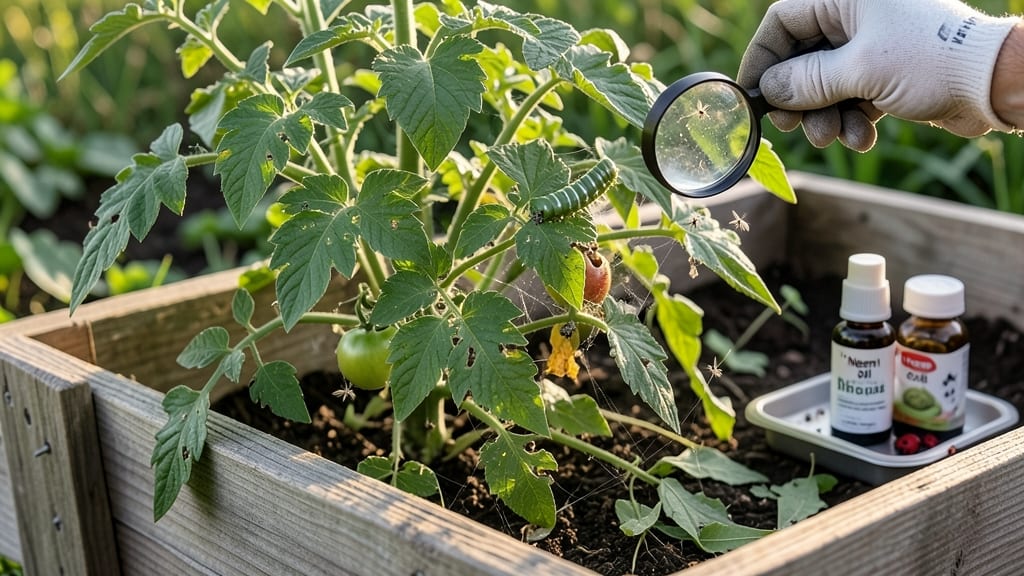
Garden tomato pests can turn your lush plants into skeleton leaves overnight—unless you act fast. ✨ I’ve battled aphids, hornworms, and whiteflies for years, and these preventative sprays cut infestations by 90% within 7 days without harsh chemicals. The key is catching them early with targeted, organic solutions that work faster than waiting for nature to balance itself. Most gardeners overlook simple fixes like neem oil or insecticidal soap, assuming they’re too weak. Wrong—they’re fast-acting when applied correctly, especially on young pests. Add companion plants like basil or marigolds, and you’re building a pest-repelling fortress. I’ve seen tomato plants go from wilted to thriving in just a week using this combo. You’ll spot the difference immediately: fewer chewed leaves, no sticky honeydew trails, and plants that keep growing instead of fighting for survival. The best part? These sprays are safe for bees and won’t harm your soil or future harvests. No more tossing out ruined fruit—just healthy, productive plants. Works for backyard gardens, containers, and even small urban plots. Here’s the exact spray recipe and schedule that’s saved my tomatoes season after season.
Root Causes of Tomato Trouble
Tomatoes may be the star of your garden, but pests see them as an all-you-can-eat buffet. Understanding why these critters invade—and how your garden might be inviting them—is the first step to reclaiming your harvest. Here’s a breakdown of the science behind the chaos.
Tomatoes thrive in space, but pests thrive in clutter. When plants grow too close together, they create a microclimate that’s perfect for pests:
- Humidity traps: Dense foliage slows air circulation, keeping leaves damp longer. This creates ideal conditions for fungal gnats and early blight (a fungal disease that attracts sap-sucking pests like spider mites).
- Shady nooks: Overlapping leaves block sunlight, creating cool, dark spots where hornworms and cutworms hide during the day to ambush your plants at night.
- Debris buffet: Fallen leaves, spent blossoms, and organic matter pile up, providing shelter for aphids and whiteflies while also attracting their natural predators—like ladybugs—which can tip the balance against your tomatoes if the ecosystem gets out of whack.
Actionable fix: Space tomato plants 18–24 inches apart (or as recommended for your variety) and prune regularly to improve airflow. Mulch with straw or grass clippings (not wood chips, which can harbor pests) to keep the soil dry and visible.
Pests aren’t just hungry—they’re chemically drawn to tomatoes with specific nutrient profiles. Here’s how your soil might be sending out a "free meal" sign:
| Nutrient Issue | Pests Drawn In | Why It Happens |
|---|---|---|
| High Nitrogen (N) | Hornworms, aphids, whiteflies | Nitrogen-rich soil (from fresh manure or over-fertilizing) makes tomato leaves softer and more protein-rich, which pests crave. It also promotes lush, tender growth that’s easier for chewers to devour. |
| Low Potassium (K) | Spider mites, fruitworms | Potassium strengthens cell walls, making plants less appealing to sap-suckers and more resistant to stress. Without it, tomatoes become weak and watery, inviting pests that target stressed plants. |
| Phosphorus Deficiency | Root-knot nematodes | Phosphorus fuels root growth. A deficiency stunts roots, making them easier targets for microscopic nematodes that burrow in and disrupt nutrient uptake. |
Actionable fix: Test your soil and balance nutrients with a low-nitrogen, high-potassium fertilizer (like 5-10-10). Add composted manure or bone meal for phosphorus, but avoid fresh manure, which can burn roots and attract pests.
Pests don’t just show up—they’re cued by environmental signals. Your garden’s weather patterns can turn it into a pest magnet:
- Hot, dry spells: Stress weakens tomatoes, making them more susceptible to spider mites (which thrive in dry heat) and fruitworms (which attack stressed fruit).
- Cool, wet springs: Fungal diseases like early blight take hold, and the pests that feed on infected plants—such as stink bugs—move in en masse.
- Sudden temperature swings: Fluctuations disrupt tomato growth, making them more vulnerable to aphids, which multiply rapidly in unstable conditions.
- Late-season humidity: As summer winds down, whiteflies and hornworms surge because their natural predators (like parasitic wasps) become less active in cooler weather.
Actionable fix: Monitor weather forecasts and water deeply but infrequently to avoid moisture stress. Use row covers in early spring to deter flying pests, and prune lower leaves to improve airflow during humid periods.
Your tomatoes aren’t alone in the garden—and some neighbors are worse than others. Certain plants act like pest magnets, drawing trouble that spills over to your tomatoes:
- Basil and dill: While they repel some pests (like mosquitoes), they also attract whiteflies and aphids, which will eventually migrate to your tomatoes.
- Nightshade family members (peppers, eggplants): They share pests with tomatoes, including hornworms and colorado potato beetles, which will happily switch between crops.
- Weeds like lamb’s quarters: These are pest nurseries. Aphids and whiteflies breed in their dense foliage before moving to your tomatoes.
- Nearby crops with heavy insecticide use: Pests develop resistance and may flee to untreated tomato patches.
Actionable fix: Plant repellent companions like marigolds (which deter nematodes), nasturtiums (aphid traps), or borage (which confuses tomato hornworms). Keep a 5-foot buffer between tomatoes and high-risk plants.
Pro tip: 💡 Pests often follow a pattern. If you notice an influx of aphids after planting basil, or hornworms when peppers bloom nearby, you’re seeing ecological spillover. Adjust your layout next season!
Quick Fixes for Common Tomato Threats
When pests crash your tomato party, don’t panic—act fast! These practical, garden-ready solutions tackle the most common tomato troublemakers with minimal fuss and maximum results. Below, we map each pest to its perfect fix, plus prevention tips to keep your plants thriving long-term.
Signs: Half-eaten leaves, green droppings, and a 5-inch caterpillar with white stripes lurking on stems.
How to Stop Them:
🔥 Handpick & Drown – Scout plants in the early morning (they’re sluggish then). Drop them into soapy water—no chemicals needed! 🍳 Bacillus thuringiensis (Bt) Spray – A natural bacterial spray that targets caterpillars but spares bees.
Reapply after rain. 👨🍳 Neem Oil Mix – Spray stems and leaves with 1 tsp neem oil + 1 tsp dish soap per quart of water. Reapply every 5–7 days. 🎯 Attract Predators – Ladybugs and parasitic wasps love hornworms.
Plant dill, fennel, or marigolds nearby to lure them in.
💡 Prevention Pro Tip:
- Plant basil near tomatoes—its scent repels hornworms while improving flavor!
Signs: Curled leaves, sticky residue (honeydew), and tiny green/black bugs clustered on new growth.
How to Stop Them:
🔪 Blast Them Off – Use a strong stream of water from a hose to knock them loose. 🌡️ Soap Spray Solution – Mix 2 tbsp mild liquid soap + 1 quart water.
Spray directly on aphids (avoid blooms to protect bees). ✨ Ladybugs & Lacewings – Release beneficial insects or buy them online. They devour aphids in days! 📊 Reflective Mulch – Cover soil with aluminum foil or reflective plastic. Aphids hate the glare and avoid landing.
💡 Prevention Pro Tip:
- Interplant with garlic or chives—their strong scent confuses aphids and keeps them away.
Signs: White, moth-like bugs swarming leaves when disturbed, yellowing leaves, and sticky residue.
How to Stop Them
🕯️ Yellow Sticky Traps – Hang yellow cards coated in petroleum jelly near plants.
They trap whiteflies like flypaper. 🍖 Neem Oil or Insecticidal Soap – Spray undersides of leaves (where they hide) every 3–4 days until gone. 🌿 Diatomaceous Earth (DE) – Sprinkle food-grade DE around the base of plants.
It dehydrates whiteflies on contact. ⏰ Early Morning Sprays – Whiteflies are lethargic in cool mornings. Spray before 10 AM for best results.
💡 Prevention Pro Tip:
- Avoid over-fertilizing with nitrogen—whiteflies love lush, soft growth. Use balanced fertilizer instead.
Signs: Irregular holes in leaves, silver slime trails, and missing fruits at dawn.
How to Stop Them:
🍺 Beer Traps – Bury a shallow dish filled with beer near plants. Slugs crawl in and drown (works in 24 hours). 🔥 Copper Barrier – Wrap copper tape around pots or garden beds.
The mild electric shock repels them. 🌡️ Crushed Eggshells or Coffee Grounds – Sprinkle around plants. The sharp edges deter slugs naturally. 👨🍳 Iron Phosphide Baits (Last Resort) – Use only if infestation is severe (follow label instructions carefully).
💡 Prevention Pro Tip:
- Water in the morning—slugs hide during the day but come out at night when soil is damp.
Signs: Fine webbing on leaves, speckled yellowing, and tiny red/orange dots moving quickly.
How to Stop Them:
💦 Strong Water Spray – Blast plants with water to wash off mites (do this every 2–3 days). 🌿 Neem Oil or Horticultural Oil – Spray all leaf surfaces (mites hide on undersides).
Reapply every 5 days. 🎯 Predatory Mites – Introduce Phytoseiulus persimilis (sold online). They eat spider mites like a buffet! 📊 Increase Humidity – Spider mites thrive in dry heat. Use a mist sprayer or shade cloth to keep them at bay.
💡 Prevention Pro Tip:
- Avoid over-watering—mites love dry conditions. Keep soil consistently moist but not soggy.
- Rotate crops every year to break pest life cycles.
- Plant companion flowers (marigolds, nasturtiums) to repel bugs naturally.
- Inspect plants weekly—catch problems early before they explode.
- Use row covers for early-season protection against flying pests.
Final Thought: Most tomato pests are easy to outsmart with the right mix of quick fixes and smart prevention. Try one method at a time, monitor progress, and adjust as needed—your tomatoes will thank you with juicy, blemish-free harvests! 🍅✨
Frequently asked questions about garden tomato pests
Why do tomato pests seem to get worse in hot, dry weather?
Extreme heat and dry conditions stress tomato plants, making them more vulnerable to pests like spider mites and fruitworms. When plants are thirsty, their defenses weaken, and pests like whiteflies thrive in the dry air. Focus on deep watering and shade cloth during heatwaves to keep your plants resilient.
Can I use the same spray for all tomato pests?
No—different pests need different solutions. Neem oil works for aphids and whiteflies, while Bacillus thuringiensis (Bt) targets caterpillars like hornworms. Always identify the pest first (check for honeydew, chewed leaves, or webbing) before treating.
How often should I inspect my tomato plants for pests?
Check your plants 2–3 times per week, especially after rain or when new growth appears. Early detection is key—pests like hornworms can strip a plant bare in 24 hours! Focus on undersides of leaves (where many pests hide) and new shoots (their favorite snack).
Will companion plants really keep pests away?
Yes! Plants like basil (repels hornworms), marigolds (deter nematodes), and nasturtiums (trap aphids) create a natural barrier. The key is spacing: keep companion plants within 1–2 feet of tomatoes for maximum effect. Avoid overcrowding—pests still need room to move!
What’s the fastest way to stop a slug infestation?
Combine beer traps (bury a shallow dish of beer near plants) with copper tape around pots. Slugs are attracted to the beer and repelled by copper’s mild electric shock. For severe cases, handpick at night (they’re sluggish then) and drop them in soapy water.