
Pests
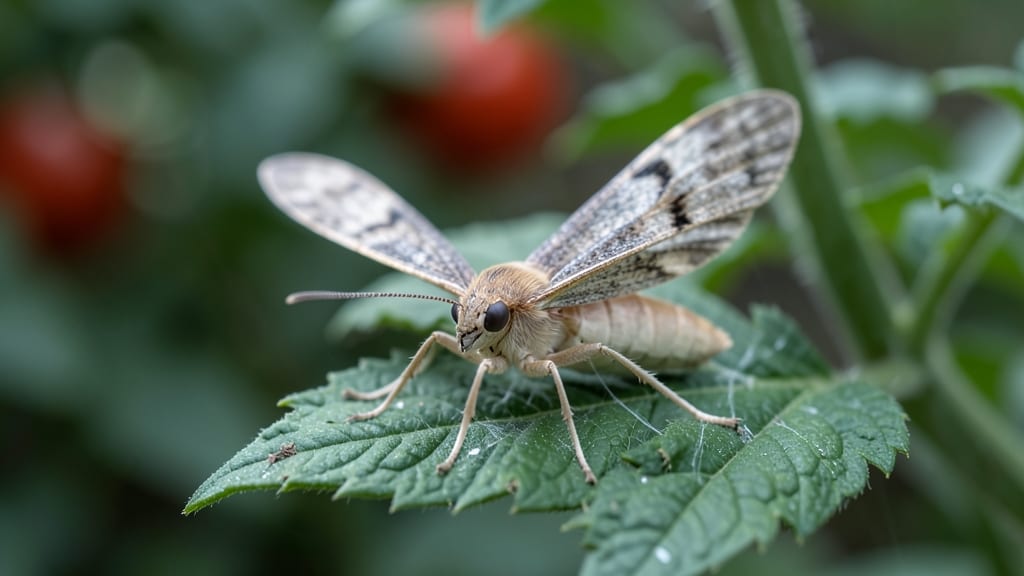
The tomato worm moth can strip your plants bare in days—unless you catch it early. 🌱 I’ve watched these striped bandits devour entire tomato plants overnight, but I’ve also learned how to outsmart them without harsh chemicals.
The key is understanding their lifecycle and hitting them at the right stage, before they turn your garden into a buffet. These moths lay eggs on tomato plants, and within days, the hornworm larvae emerge—fast, hungry, and nearly impossible to spot until it’s too late.
The good news? They’re also vulnerable to organic controls like BT spray, parasitic wasps, and even handpicking (yes, really). I’ve seen gardens go from devastated to thriving in just a few weeks with the right approach.
You’ll learn to identify their eggs, larvae, and pupae so you can act before the damage starts. The goal isn’t just to kill them—it’s to create a garden ecosystem where they can’t survive. Companion plants like basil and marigolds, along with neem oil sprays, make a huge difference.
By the end, your tomatoes will be safe, and your garden will feel like a fortress. This strategy works for both backyard gardens and container setups. The tools you’ll need are simple, affordable, and completely chemical-free. Let’s get started on protecting your harvest!
Root Causes Behind Infestations
Understanding why these destructive caterpillars target your tomato plants is the first step to stopping them. The tomato hornworm moth (scientific name: Manduca sexta) and its larvae thrive due to a mix of environmental, biological, and agricultural factors.
Let’s break down the key reasons these pests show up in your garden—and how to address them.
The tomato hornworm moth’s larvae are drawn to plants that are already stressed or weakened. Here’s why:
- Sugar-rich, soft fruit: Overripe tomatoes release more sugars and pheromones that attract moths looking to lay eggs. A single female can deposit up to 2,000 eggs near ripe fruit!
- Physical damage: Plants with bruised leaves or stems (from hail, wind, or poor pruning) emit distress signals that moths detect as "easy prey."
- Nutrient deficiencies: Tomato plants lacking nitrogen or potassium become less resilient, making them easier targets for larvae.
Actionable fix: Harvest tomatoes promptly and remove any bruised or diseased foliage. Use balanced organic fertilizers (like compost tea) to strengthen plant defenses.
In a healthy ecosystem, tomato hornworms face a gauntlet of predators—but modern farming and urban gardens often disrupt this balance. Key predators include:
- Parasitic wasps (e.g., Cotesia congregata): These wasps lay eggs inside hornworm larvae, eventually killing them. Without them, larvae thrive unchecked.
- Birds (e.g., robins, sparrows): They snack on hornworms but avoid gardens with dense foliage or lack of perches.
- Ground beetles and spiders: They prey on eggs and young larvae but struggle in gardens treated with broad-spectrum pesticides.
Actionable fix: Encourage biodiversity by planting companion plants like dill, fennel, or basil (which attract parasitic wasps). Avoid synthetic pesticides that harm beneficial insects.
The tomato hornworm moth’s lifecycle is heavily influenced by temperature and moisture. Here’s how climate plays a role:
- Extended growing seasons: Warmer springs and summers allow moths to complete multiple generations per year, leading to exponential population growth.
- High humidity: Larvae thrive in moist conditions, which also slow down the activity of natural predators like wasps.
- Nighttime feeding: Moths are nocturnal and are drawn to gardens with artificial lights, which can disrupt their natural mating patterns and increase egg-laying near plants.
Actionable fix: Use yellow or blacklight traps (placed away from tomato plants) to lure adult moths. In hot climates, opt for row covers during the moth’s peak flight season (late spring to early summer).
Large-scale or even backyard gardens planted with only tomatoes create a "buffet" for moths. Here’s why monocultures fail:
- No predator diversity: Single-crop gardens lack the variety needed to support a balanced ecosystem of predators and pollinators.
- Increased visibility: Uniform rows of tomatoes make it easier for moths to locate and target plants.
- Soil depletion: Repeatedly planting tomatoes in the same spot exhausts nutrients, weakening plants and making them more susceptible to pests.
Actionable fix: Practice crop rotation and interplant tomatoes with marigolds, nasturtiums, or borage to confuse moths and attract predator insects. Add organic matter (like worm castings) to replenish soil health.
Next up: How to identify early signs of an infestation before it’s too late.
Natural Ways To Eliminate Garden Invaders
Discovering tiny, destructive larvae munching on your tomato plants can feel like a nightmare—especially when you’re aiming for an organic garden. But don’t worry! With the right approach, you can kick these pests to the curb without harsh chemicals.
Below, we break down targeted solutions based on the root cause of your problem, from early detection to long-term prevention.
If you’ve spotted green or brown caterpillars (the tomato hornworm larvae) on your plants, the simplest and most effective method is manual removal. This works best in the morning when the pests are sluggish.
- 👨🍳 Inspect plants thoroughly, focusing on leaves, stems, and fruit. Look for:
- Fat, green caterpillars (up to 4 inches long)
- Black or brown horn-like projections (their "horns")
- Fecal droppings (tiny black pellets)
- 🔪 Grab and dispose of larvae immediately. Drop them into a bucket of soapy water or crush them (if you’re squeamish, wear gloves!). Pro tip: Check under leaves—they love hiding there!
- ⏰ Repeat daily for 3–5 days to ensure no stragglers remain. This method is 100% organic and works instantly.
If hand-picking feels tedious (or you’ve got a large infestation), enlist the help of beneficial predators. These natural allies will devour the pests without harming your plants.
- 🐞 Release parasitic wasps (like Cotesia congregata):
- These tiny wasps lay eggs inside tomato hornworm larvae.
- Order them online or find them at garden centers labeled as "hornworm parasites."
- Release them in the early morning or evening when they’re most active.
- 🐸 Encourage birds and lizards:
- Install a birdhouse or bat box near your garden.
- Leave rock piles or dense mulch to attract lizards, which eat young larvae.
- 🐝 Support pollinators (like ladybugs and lacewings):
- Plant companion flowers like marigolds, dill, or basil to attract these predators.
- Avoid pesticides—they kill beneficial insects too!
For a non-toxic but effective barrier, use homemade sprays that disrupt the pests’ life cycle or make them less appealing to lay eggs.
| Solution | How to Use | Why It Works |
|---|---|---|
| Neem Oil Spray |
|
Disrupts larvae growth and deters adult moths from laying eggs. |
| Garlic & Chili Pepper Spray |
|
The spicy scent repels adult moths and makes plants less attractive for egg-laying. |
| Bacillus thuringiensis (Bt) Spray |
|
Kills larvae when ingested but is harmless to adults and beneficial insects. |
Stopping an infestation at the source means luring moths away from your tomatoes or blocking their access. These preventive tactics work best when combined with other methods.
- 🌱 Plant trap crops:
- Grow basil, dill, or fennel near your tomatoes. Moths prefer these plants over tomatoes!
- Check trap crops daily and remove any eggs or larvae.
- 🧶 Use row covers:
- Cover young tomato plants with fine mesh netting (like Agribon) to block adult moths.
- Remove covers when plants flower to allow pollination.
- 🌙 Disrupt mating cycles:
- Hang pheromone traps (available online) to confuse male moths and reduce egg-laying.
- Place traps away from your garden to avoid catching beneficial insects.
Once you’ve eliminated the current infestation, keep these expert tricks in mind to prevent future outbreaks:
- 🌡️ Rotate crops—don’t plant tomatoes in the same spot every year to break the pest life cycle.
- 🌱 Interplant with herbs like oregano, thyme, or marigolds—their strong scents repel moths.
- 🕯️ Use yellow sticky traps to catch adult moths before they lay eggs.
- 🌿 Mulch with di
Frequently asked questions
What do tomato worm moth eggs look like?
Tomato worm moth eggs are tiny, oval-shaped, and pale yellow to white, measuring about 0.02 inches long. They’re usually laid singly or in small clusters on the undersides of tomato leaves. Look closely—you’ll spot them as tiny specks that look like tiny grains of rice.
How long does it take for tomato worm moth larvae to hatch?
Larvae hatch in just 3-5 days under warm conditions (above 68°F). Once they emerge, they grow rapidly, reaching full size (up to 4 inches) in 2-3 weeks if left unchecked. This is why early detection is critical!
Are tomato worm moths harmful to humans?
No, they pose no direct threat to humans. However, their larvae can carry bacteria from contaminated plants, so always wash tomatoes thoroughly before eating. The real danger is their ability to destroy your entire crop in days if unchecked.
Can I use coffee grounds to repel tomato worm moths?
Yes! Sprinkling used coffee grounds around your tomato plants creates a natural barrier. The strong scent repels adult moths, and the nitrogen content helps strengthen your plants. Reapply every 1-2 weeks or after rain for best results.
What's the best time of day to handpick tomato hornworms?
Early morning is ideal—larvae are sluggish after the cool night air. Check plants before 8 AM when they're easiest to spot and remove. Wear gloves if you're squeamish—they can be quite hairy! Always drop them in soapy water to prevent regrowth.