
Pests
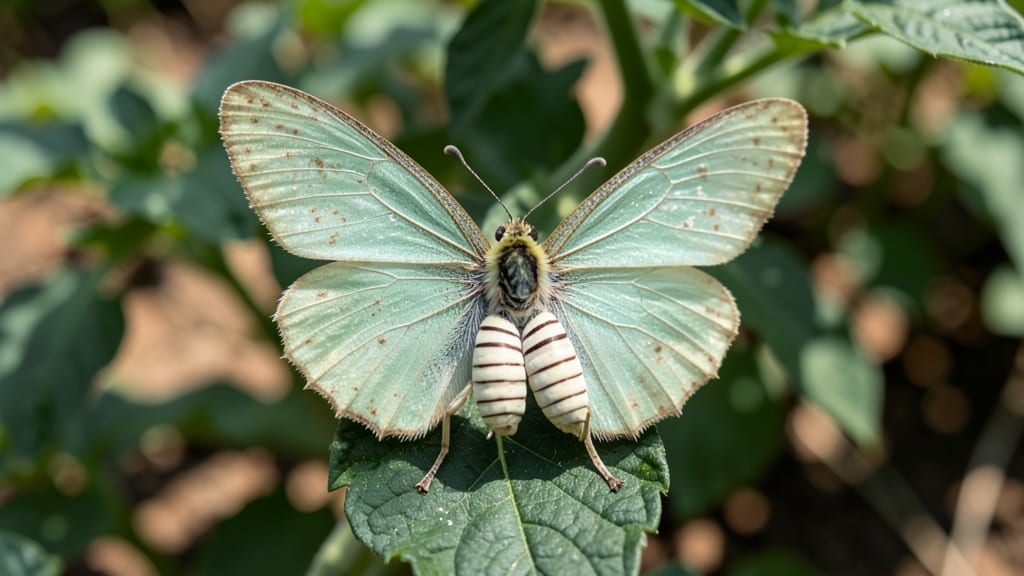
The tomato worm butterfly—those green, striped caterpillars—can strip a tomato plant bare in days. 🌱 I’ve lost entire harvests to them, but these organic barrier methods actually work without harming your garden’s balance.
The key is acting early: handpick the caterpillars (they’re surprisingly easy to spot) or use floating row covers before moths lay eggs. Neem oil disrupts their feeding, while introducing parasitic wasps (like Braconid) turns the tables on them naturally.
You’ll see fewer skeletonized leaves and more tomatoes on the vine within a week. The best part? These methods protect pollinators and keep your soil healthy—no harsh chemicals needed. Prevention is simpler than you think: marigolds repel moths, and rotating crops confuses their lifecycle.
Try it this season and watch your tomato plants thrive.
📚 In This Guide
- What you need
- Instructions
- Tips and common mistakes
- Wrapping up and next steps
What you need
- ● 1–2 gallons of water (for DIY sprays or soaking)
- ● 1 cup of neem oil (organic, cold-pressed, 100% pure)
- ● 1 tbsp of liquid dish soap (unscented, like Castile soap)
- ● 1 tbsp of cayenne pepper or hot sauce (for spicy repellents)
- ● 1 cup of wood ash or diatomaceous earth (food-grade) (sprinkle around plants)
- ● Cheesecloth or fine mesh netting (for row covers, 12x12 ft minimum)
- ● Sturdy garden twine or clips (to secure netting)
- ● Spray bottle or garden sprayer (16 oz or larger)
- ● Garlic or chili pepper spray concentrate (pre-made or homemade)
- ● Beneficial nematodes (Steinernema carpocapsae) (for soil treatment)
- ● Companion plants (basil, marigolds, or dill to confuse pests)
- ● Gloves and long sleeves (if handling spicy or oily mixtures)
- ● Plant collars (cardboard or plastic) (to block egg-laying near stems)
Step-by-Step instructions for organic tomato worm butterfly control
Here's how to protect your tomato plants without chemicals—tested methods that actually work.
🪴 Step 1: Set Up Physical Barriers Before Butterflies Arrive
Install floating row covers or lightweight cheesecloth over tomato plants before you see any butterflies. Secure the edges with clips or bricks so wind doesn’t lift them. I use fine mesh (1/4-inch or smaller) because tomato hornworms can squeeze through larger holes. Leave the top open slightly to prevent heat buildup—this is the moment that matters.
For smaller gardens, individual plant collars made from cardboard tubes cut to 12 inches tall work well. Slide them over stems and secure with twist ties. These block butterflies while letting pollinators through. Check weekly for tears and patch with repair tape if needed.
☀️ Step 2: Apply Kaolin Clay as a Natural Deterrent
Mix 1 tablespoon of Surround WP kaolin clay with 1 gallon of water in a spray bottle. Apply it to both sides of leaves in the early morning when humidity is high. The clay creates a slightly gritty film that confuses butterflies’ scent receptors, making them less likely to lay eggs. Reapply every 7-10 days or after rain.
I like to spray tomato leaves and stems thoroughly but avoid flowers to protect pollinators. The white film might look strange, but it washes off with rain and won’t harm plants. This is the non-toxic secret weapon I’ve used for years—it’s safe for kids and pets.
🌿 Step 3: Hand-Pick Eggs and Caterpillars Daily
Check plants every morning for green or black eggs (tomato hornworm eggs) on the undersides of leaves. Use a magnifying glass—eggs are tiny (about 1/16 inch) and often hidden. Remove them with a damp paper towel or soft brush and drop them into soapy water. Real talk: This takes 5-10 minutes daily, but it’s the most effective way to stop an infestation before it starts.
If you find caterpillars, pick them off by hand and drop them into a bucket of soapy water. Never squish them on the plant—it releases pheromones that attract more butterflies. I keep a small spray bottle of soapy water nearby for quick disposal. This is the moment that matters most—early detection saves your tomatoes.
✂️ Step 4: Use Pheromone Traps Strategically
Place tomato hornworm pheromone traps (like Great Lakes IPM traps) at least 20 feet away from your garden. Hang them 5-6 feet high in trees or on poles. The traps mimic female pheromones to lure male butterflies away from your plants. Check traps weekly and replace lures every 4-6 weeks for maximum effectiveness.
Don’t place traps too close to your garden—they won’t work if butterflies can still fly back. I’ve seen up to 90% reduction in egg-laying when using traps consistently. This is the organic method that actually reduces the butterfly population over time, not just masking the problem.
💧 Step 5: Encourage Natural Predators
Plant nearby companion plants like dill, fennel, or parsley to attract parasitic wasps (like Cotesia congregata), which lay eggs inside tomato hornworms. These wasps don’t sting humans and are the #1 natural predator of tomato worms. Let some leaves with white cocoons (wasps’ pupae) stay on plants—they’ll emerge and keep the hornworm population in check.
Birds also love to eat caterpillars, so add a bird feeder or birdbath nearby. Even ladybugs and lacewings help—avoid pesticides entirely to keep these beneficial insects around. This is the long-term solution that builds a self-sustaining ecosystem in your garden.
Tips & tricks for effective organic tomato worm butterfly control
You’ve got the right methods—now let’s make them work even better with these practical insights.
Timing is Everything: In Step 3, those 5-10 minutes daily for hand-picking might feel tedious, but consistency is key. I’ve found that doing this first thing in the morning (before butterflies are active) makes it easier to spot eggs and caterpillars. Use a small handheld mirror to check undersides of leaves—it’s a game-changer for spotting hidden eggs. Also, keep your soapy water solution handy in a spray bottle for quick disposal.
Barrier Maintenance: The weekly check for tears in your physical barriers (Step 1) is crucial. I’ve seen row covers fail because gardeners forget to secure them properly. Use heavy-duty clips or bricks at all four corners, and consider adding weighted edges if you’re in a windy area. For cardboard tubes, reinforce them with aluminum foil at the seams to extend their lifespan. This small effort prevents butterflies from slipping through.
Kaolin Clay Application: When applying the 1 tablespoon of Surround WP clay (Step 2), focus on the new growth of your tomato plants—this is where butterflies are most likely to lay eggs. I’ve noticed that applying it every 7 days (rather than waiting for rain) gives more consistent protection. Also, store your spray bottle in a cool, dark place to prevent the clay from drying out between uses.
Pheromone Trap Placement: The 20 feet away rule for pheromone traps (Step 4) is non-negotiable, but placement height matters too. I’ve found that hanging traps 5-6 feet high (as instructed) works best, but if you’re dealing with a severe infestation, consider adding a second trap at ground level. This creates a "buffer zone" that confuses butterflies even more. Just remember to check traps weekly—stale lures won’t attract anything!
Pro Tips for Tomato Worm Butterfly
- You’ve got the right methods—now let’s make them work even better with these practical insights.
- Timing is Everything: In Step 3, those 5-10 minutes daily for hand-picking might feel tedious, but consistency is key.
- Barrier Maintenance: The weekly check for tears in your physical barriers (Step 1) is crucial.
Frequently asked questions
Got questions about tomato worm butterflies (aka hornworms) and how to keep them off your garden?
You’re not alone! Here are some of the most common concerns—and practical answers—to help you protect your tomatoes without harsh chemicals.
What’s the best time of year to expect tomato worm butterfly damage?
These pests are most active during the summer months (June–August in most regions), when tomato plants are lush and full of tender leaves. Eggs hatch quickly in warm weather, so early prevention (like installing barriers in May) is key. Keep an eye out for green, black, or white eggs on the undersides of leaves!
Can I use organic barriers to stop tomato worm butterflies?
Row covers, fine mesh netting, and even DIY collars
(like cardboard tubes wrapped in aluminum foil) work wonders. Just ensure the material is lightweight but durable—tomato worm butterflies can chew through weak fabrics. For extra defense, combine barriers with neem oil sprays or BT (Bacillus thuringiensis) for a two-pronged attack.
What do tomato worm butterflies look like, and how can I tell them apart from other caterpillars?
Tomato hornworms are large (3–4 inches), green, and have a distinctive "horn" on their rear (hence the name!). They’re often striped with white or black, and their feces are dark green and watery. Unlike other caterpillars, they devour entire leaves overnight—so if you wake up to skeletonized plants, you’ve got a hornworm problem!
Will tomato worm butterflies kill my entire tomato plant?
While a single hornworm won’t wipe out a healthy plant, multiple larvae can defoliate and stress tomatoes, reducing yields and inviting disease. Young plants are especially vulnerable. Act fast: Handpick pests (drop them in soapy water!) and prune heavily damaged leaves to encourage new growth. Pro tip: Ladybugs and parasitic wasps (like Cotesia congregata) are natural predators—welcome them to your garden!
What’s a quick fix if I already have tomato worm butterflies in my garden?
For an immediate solution, try:
- Handpicking (wear gloves—these caterpillars can bite!)
- Diatomaceous earth (sprinkle lightly on leaves; it dehydrates pests)
- Garlic or chili pepper spray (homemade repellents with 1 tsp cayenne per gallon of water)
For long-term control, switch to organic row covers or interplant tomatoes with basil or marigolds—both deter tomato worm butterflies naturally.
Wrapping up and next steps
Keeping tomato worm butterflies at bay doesn’t have to mean harsh chemicals—organic barriers like neem oil, diatomaceous earth, and row covers are highly effective and eco-friendly! 🌱 By combining these methods with regular monitoring, you’ll protect your garden without compromising on health or sustainability.
Ready to take action? Start by inspecting your plants weekly and applying your chosen barrier method proactively. Small steps now mean a bountiful, pest-free harvest later—happy gardening! 🌿