
Plants
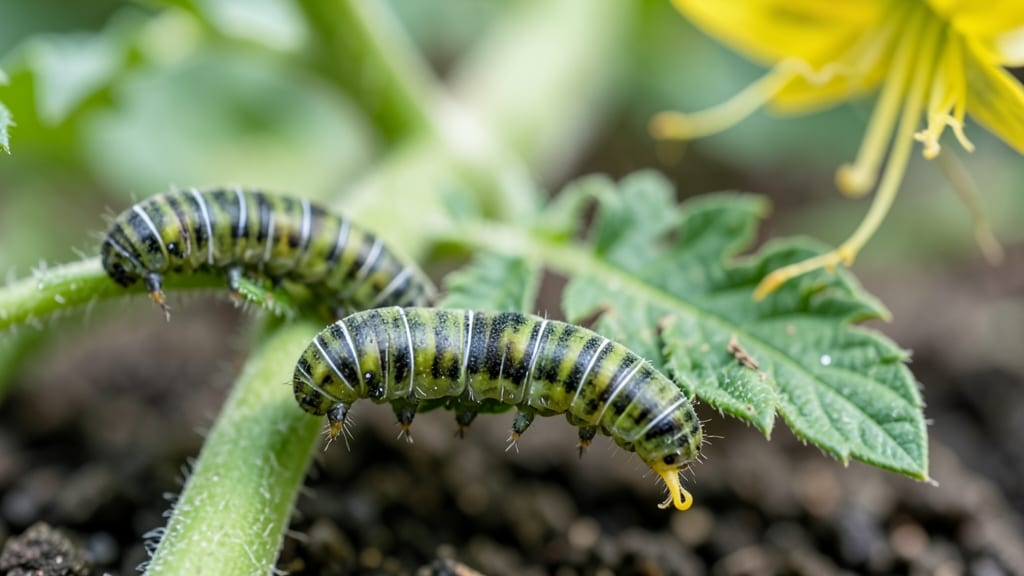
Small worms on tomato plants mean your garden’s natural ecosystem is working—even if it looks alarming at first. 🌱 Those fuzzy caterpillars or tiny grubs aren’t just pests; they’re a sign your soil and plants are thriving enough to attract them.
The key isn’t to panic, but to understand which worms are causing damage and how to encourage their predators instead of fighting them head-on.
Most of these worms—like hornworms or cutworms—aren’t here to stay forever. They’re food for birds, parasitic wasps, and other beneficial insects that keep their populations in check. The real damage comes when they outnumber their predators, stripping leaves or gnawing stems.
That’s when you’ll see jagged holes in foliage or plants suddenly wilting, even with enough water.
What you’ll learn here is how to turn the tables: lure in the worms’ natural enemies with simple, organic methods that protect your tomatoes without harsh chemicals.
Think of it as inviting a team of tiny bodyguards to patrol your garden—once they arrive, the worms become less of a threat and more of a snack for your new allies.
We’ll cover everything from identifying the worms to creating a predator-friendly habitat, plus quick fixes for when damage is already happening. No complicated setups—just practical steps that work even for beginners. Let’s get your tomato plants back to thriving without the wormy drama.
Root Causes of Tiny Tomato Invaders
Small worms on your tomato plants aren’t just a random nuisance—they’re usually a sign of underlying conditions that create the perfect environment for pests. Understanding these triggers helps you address the problem at its source, not just the symptoms.
Below are the most common reasons these tiny critters take up residence in your garden, along with the science behind their behavior.
Tomato worms thrive in damp conditions because excess moisture slows down microbial activity in the soil, reducing natural predators like beneficial nematodes and fungi.
Here’s why this happens: - Poor Drainage: Clay-heavy or compacted soil traps water, creating a soggy layer where worm eggs (like those of cutworms or root maggots) can hatch and survive. - Overwatering: While tomatoes need consistent moisture, overwatering—especially late in the day—keeps the soil saturated, inviting fungal gnats and other moisture-loving pests. - Fungal Growth: Damp soil fosters fungal diseases (e.g., Fusarium or Phytophthora), which weaken plants, making them easier targets for chewing pests.
Actionable Fix:
- Test your soil’s drainage by digging a 6-inch hole and filling it with water. If it doesn’t drain within 30 minutes, amend with compost or sand.
- Water at the base in the morning to allow foliage to dry quickly.
Nature’s pest control—like ladybugs, lacewings, and parasitic wasps—often keeps worm populations in check. When these helpers disappear, tiny invaders multiply unchecked.
Why does this happen? - Pesticide Use: Broad-spectrum chemicals (even organic ones) can kill beneficial insects along with pests, creating a vacuum that worms rush to fill. - Monoculture Planting: Growing only tomatoes (or other solanaceous plants) starves the ecosystem of biodiversity, reducing natural predators. - Urban or Isolated Gardens: Gardens far from wild areas lack the "spillover" of predatory insects that naturally migrate in.
Actionable Fix:
- Introduce predator-friendly plants like dill, fennel, or marigolds to attract lacewings and parasitic wasps.
- Avoid neonicotinoids and opt for targeted sprays (e.g., Bacillus thuringiensis var. kurstaki for caterpillars).
Rich compost or mulch is great for soil health, but if it’s too fresh or piled thickly, it can attract worms like cutworms or hornworms.
Here’s why: - High Nitrogen Levels: Fresh manure or uncomposted greens release ammonia, which can repel some predators but attract worms seeking nitrogen-rich food. - Shady, Cool Microclimates: Thick mulch retains moisture and creates a dark, humid environment where worm eggs thrive. - Weakened Plant Defenses: Overly fertile soil can lead to luxuriant growth (big leaves, tender stems), making plants more vulnerable to chewing pests.
Actionable Fix:
- Aged compost (fully decomposed, dark, and crumbly) is safer than fresh organic matter.
- Thin mulch layers (1–2 inches) to prevent moisture buildup while still suppressing weeds.
Some tomato varieties are more attractive to pests due to their leaf structure, scent, or susceptibility to diseases that weaken them.
For example: - Heirloom or Open-Pollinated Tomatoes: Often have thicker foliage, which provides more hiding spots for worms like tomato fruitworms. - Disease-Prone Varieties: Plants stressed by early blight or septoria leaf spot produce less defensive compounds (e.g., solanine), making them easier targets. - Late-Season Stress: Overripe or sun-scalded tomatoes release sugars that attract fruit flies and hornworms.
Actionable Fix:
- Choose resistant varieties (e.g., ‘Mountain Merit’ for blight resistance or ‘Celebrity’ for cracking resistance).
- Prune lower leaves to improve airflow and reduce hiding spots for pests.
Worms don’t appear randomly—they follow predictable life cycles tied to temperature and plant growth stages:
- Spring Emergence: As soil warms (above 60°F), cutworm and root maggot eggs hatch in response to young tomato seedlings.
- Summer Surge: Hornworms and fruitworms peak when tomato plants are in full bloom, as they lay eggs on flowers and fruit.
- Fall Persistence: Cool nights and warm days create ideal conditions for armyworms to migrate into gardens.
Actionable Fix:
- Monitor egg masses (small, green clusters on undersides of leaves) and remove them manually.
- Use row covers early in the season to block adult moths from laying eggs.
How to Fix Tiny Tomato Plant Invaders
Discovering small worms munching on your tomato plants can feel like a garden disaster, but don’t worry—there are effective, organic ways to reclaim your harvest. Below, we’ll tackle the most common culprits (like hornworms, aphids, and root-knot nematodes) with simple, actionable fixes that protect your plants and the environment.
Plus, we’ll share prevention tips to keep your tomatoes thriving long-term.
These striped caterpillars can devour a tomato plant overnight! Here’s how to stop them:
🔥 Step 1: Handpick Them Early
- When? Morning or evening (they’re sluggish then).
- How? Wear gloves and pluck them off—drop them into soapy water to kill them instantly.
- Pro Tip: 💡 Check the undersides of leaves where they hide!
🍳 Step 2: Lure Natural Predators
- Beneficial insects like parasitic wasps and ladybugs love hornworms. Plant dill, fennel, or marigolds nearby to attract them.
- BT (Bacillus thuringiensis): A microbial pesticide safe for humans and pets. Spray it on leaves—it targets caterpillars’ digestive systems.
👨🍳 Step 3: Use Row Covers or Netting
- Cover young plants with fine mesh netting to block egg-laying moths. Remove covers when flowers appear for pollination.
⏰ Prevention for Next Season
- Rotate crops—don’t plant tomatoes or peppers in the same spot yearly.
- Clean up debris in fall to remove overwintering eggs.
These tiny green/black pests cluster on new growth, weakening plants and spreading viruses.
🔪 Step 1: Blast Them Off with Water
- How? Use a strong stream from a hose to dislodge them. Repeat every few days.
- Bonus: 🌡️ Aphids hate neem oil spray (mix 1 tbsp neem oil + 1 tsp mild soap + 1 quart water). Spray leaves thoroughly.
🎯 Step 2: Introduce Predatory Insects
- Ladybugs, lacewings, and hoverfly larvae feast on aphids. Buy them online or attract them with companion plants like alyssum or yarrow.
✨ Step 3: Encourage Ants (Yes, Really!)
- Ants farm aphids for honeydew. Disrupt their colonies by spraying soapy water on their trails or using diatomaceous earth (food-grade) around the base of plants.
💡 Prevention Tips
- Avoid over-fertilizing with nitrogen—aphids love lush, tender growth.
- Inspect new plants before adding them to your garden.
These microscopic worms attack roots, causing stunted growth and yellowing leaves. They’re tricky but manageable!
🔥 Step 1: Solarize the Soil
- How? Water the soil deeply, then cover it with clear plastic for 4–6 weeks in hot sun. The heat kills nematodes.
- When? Do this in late summer before replanting.
🍳 Step 2: Plant Nematode-Resistant Tomatoes
- Varieties like ‘Mountain Merit’ or ‘Defiant PhR’ are bred to resist root-knot nematodes. Check seed packets for “nematode-resistant” labels.
👨🍳 Step 3: Use Organic Amendments
- Marigolds: Plant them near tomatoes—they release compounds that repel nematodes.
- Compost tea or molasses: Boosts beneficial microbes that outcompete nematodes. Mix 1 tbsp molasses in a gallon of water and spray the soil.
⏰ Long-Term Prevention
- Crop rotation: Avoid planting tomatoes, peppers, or eggplants in the same spot for 3+ years.
- Sandy soil? It drains better and reduces nematode buildup—amend clay soil with compost.
No matter the worm, these universal strategies help keep your garden healthy:
- 🌱 Healthy plants fight pests better: Ensure tomatoes get 6–8 hours of sun, well-draining soil, and balanced fertilizer (too much nitrogen = weak plants).
- 🕵️♂️ Scout regularly: Check plants weekly, especially undersides of leaves and stems.
- 🚫 Avoid chemical pesticides: They kill beneficial insects too. Stick to organic, targeted solutions.
- 🌿 Companion planting: Basil, borage, and onions repel pests naturally—plant them alongside tomatoes.
With these methods, your tomato plants will bounce back stronger. And remember: Patience and consistency are key—pests won’t stand a chance against a well-defended garden! 🍅💪
Frequently asked questions
Are small worms on tomato plants always harmful?
Not all worms are destructive! Many are beneficial, like earthworms that improve soil health. The harmful ones—such as hornworms or cutworms—target leaves and stems. Always check the damage first: if your plants look healthy and only a few worms are present, they’re likely harmless or even helpful to your ecosystem.
How do I tell if my tomato plants have root-knot nematodes?
Look for stunted growth, yellowing leaves, and galls (lumpy roots). Dig up a plant and rinse the roots—if you see tiny knots or swollen areas, nematodes are likely the culprit. These microscopic worms thrive in warm, moist soil, so poor drainage often worsens the problem.
Will neem oil kill all types of tomato worms?
Neem oil works best on soft-bodied pests like aphids and young caterpillars, but it’s not effective against root-knot nematodes or hardier worms like cutworms. For nematodes, use solarization or marigolds instead. Always apply neem oil in the evening to avoid harming bees and other pollinators.
Can I still harvest tomatoes if worms are already on the plants?
Yes! Remove any visible worms first, then harvest only the undamaged fruit. Worms rarely burrow into mature tomatoes, so focus on saving healthy produce. After picking, inspect the remaining plants daily to catch new eggs or larvae early—prevention is key to protecting your harvest.
How long does it take for natural predators to control worm populations?
It varies, but with the right conditions, you’ll see a difference in 2–4 weeks. Plant predator-friendly flowers (like dill or fennel) immediately, and avoid pesticides. Ladybugs and parasitic wasps can reduce worm numbers significantly once established, but severe infestations may need manual removal first.