
Pests
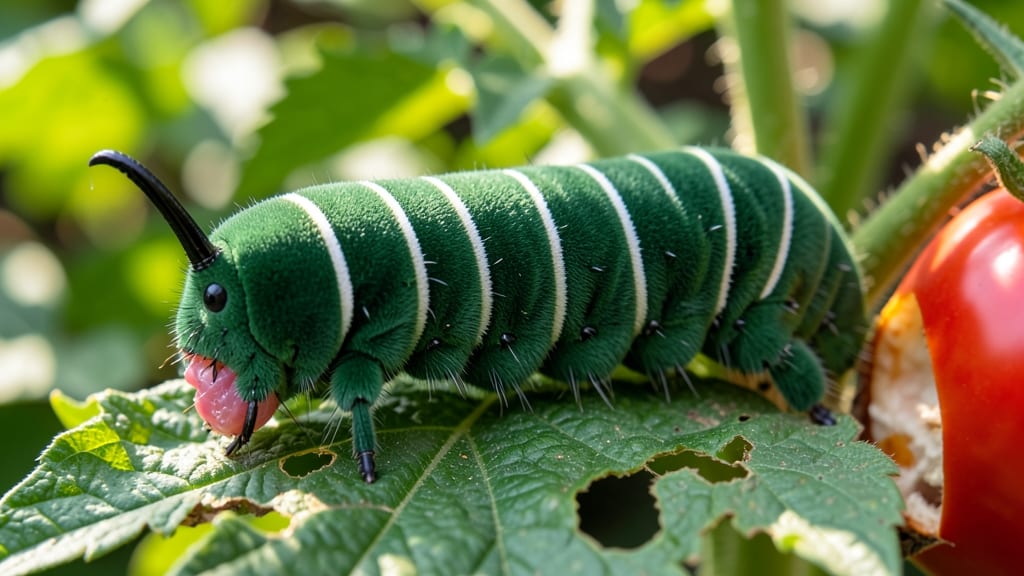
Finding the biggest tomato worm—a striped caterpillar the size of your thumb—on a plant is enough to make any gardener pause. 🌱 These caterpillars can devour entire tomato leaves overnight, but the good news is they’re also one of the easiest pests to control—without chemicals.
The key is acting fast, knowing where to look, and using methods that protect both your plants and the beneficial insects that keep your garden in balance.
These worms aren’t just big—they’re fast. You’ll spot them munching away on leaves, stems, or even fruit, leaving behind skeletonized foliage that looks like lace.
They’re the larvae of the sphinx moth, and while they’re a gardener’s nightmare, they’re also a sign your garden has healthy, thriving tomato plants they’re drawn to.
The life cycle is quick: eggs hatch in about a week, and the caterpillars grow to their full size in just 6 weeks, so early detection is everything.
Handpicking is your first line of defense—simply drop them into soapy water. For larger infestations, Bacillus thuringiensis (Bt) or neem oil works wonders without harming bees or other pollinators.
The goal is to break their life cycle before they multiply, and with these methods, you’ll see a noticeable difference in just a few days. Your plants will bounce back faster than you think, and you’ll avoid the heartbreak of a defoliated tomato patch.
Prevention is just as important as treatment. Encourage parasitic wasps (their natural predators) by planting flowers like dill and fennel nearby, and remove egg clusters you spot on the undersides of leaves.
A little vigilance now means fewer worms later—and that’s a harvest worth protecting. Let’s get those tomatoes thriving again.
Root Causes Of Giant Worms
If you’ve ever spotted a massive tomato worm (likely the Manduca sexta, or tobacco hornworm) feasting on your plants, it’s not just bad luck—it’s usually a mix of environmental factors and gardening habits.
Understanding these causes helps you take targeted action. Below, we break down the most common reasons these voracious caterpillars invade your garden, along with science-backed explanations.
Tomato worms are drawn to plants that look like an all-you-can-eat buffet. When tomatoes (or other host plants like peppers, eggplants, or tobacco) are overripe, damaged, or even just softening, they release volatile organic compounds (VOCs) that signal "easy prey" to hungry larvae.
These compounds mimic the scent of decaying fruit, which hornworms associate with high-nutrient food sources.
- Why it works: A tomato’s natural sugars and pectin increase as it ripens, making it more appealing. Worms can detect these changes from up to 3 feet away using their chemoreceptors.
- Actionable fix:
- Pick tomatoes before they fully ripen if hornworms are active (green tomatoes can still ripen indoors).
- Remove any dropped or bruised fruit immediately—these are worm magnets.
- Use yellow sticky traps near plants to intercept adult moths before they lay eggs.
A healthy garden isn’t just about thriving plants—it’s about a balanced predator-prey dynamic. When natural predators of tomato worms (like parasitic wasps, birds, or beneficial nematodes) are missing, hornworm populations explode. This often happens due to:
- Pesticide overuse: Broad-spectrum chemicals (e.g., neonicotinoids, pyrethroids) kill both pests and their predators, creating a vacuum that worms rush to fill.
- Monoculture planting: Planting only tomatoes (or other Solanaceae family crops) removes diversity, reducing habitat for beneficial insects.
- Lack of pollinator-friendly plants: Flowers like dill, fennel, or milkweed attract wasps that parasitize hornworm eggs.
Science note: Studies show gardens with just 10% native flowering plants can increase parasitic wasp populations by 400%, naturally suppressing worm outbreaks.
Adult hornworm moths are nocturnal pollinators that lay eggs precisely when conditions are ideal for their larvae. If your garden peaks in growth during their active season (typically late spring to early summer in most climates), you’re in their crosshairs. Here’s how they choose:
| Factor | Why It Matters | Actionable Tip |
|---|---|---|
| Warm nights (above 70°F) | Moths are most active when temperatures rise after sunset, increasing egg-laying rates. | Use row covers at dusk to block moths from landing. |
| High humidity | Moisture keeps eggs from drying out; larvae hatch faster in damp conditions. | Improve drainage and avoid overwatering foliage. |
| Young, tender leaves | New growth is less defended by toxins (e.g., solanine in tomatoes), making it a prime target. | Prune suckers regularly to reduce vulnerable foliage. |
Pro tip: 🔥 Monitor your garden in the evening with a flashlight—adult moths are slow fliers and easy to spot (they’re pale green with see-through wings). Handpick them and drown them in soapy water to break the cycle.
Not all gardens are equal when it comes to tomato worms. Certain climates and microclimates create perfect conditions for hornworm outbreaks:
- Warm, humid summers: The Southeast U.S. and tropical regions see year-round hornworm activity because larvae thrive in heat and moisture.
- Greenhouse growing: Controlled environments with consistent warmth accelerate their life cycle (egg to adult in ~6 weeks).
- Urban heat islands: Cities with high temperatures and concrete surfaces can create 3–5°F hotter zones, speeding up worm development.
Regional workaround: If you’re in a high-risk zone, interplant tomatoes with basil or marigolds. Basil repels moths with its eugenol compound, while marigolds attract predatory nematodes.
Quick Fixes for Tomato Worm Woes
Now that you know the culprits behind those pesky tomato worms—whether it’s the hornworm, tomato fruitworm, or cutworm—let’s tackle them head-on with effective, organic solutions that protect your plants and the planet.
Below, we’ve mapped out targeted fixes based on the root cause, along with prevention tips to keep your garden thriving.
Hornworms are the biggest tomato worms and can defoliate plants in days. Here’s how to remove and prevent them:
🔥 Immediate Removal (Manual Pick-Off)
- When? Early morning or evening (they’re sluggish in cool temps).
- How?
- Wear gloves and inspect leaves for green caterpillars with white stripes.
- Drop them into soapy water (1 tbsp dish soap per gallon) to kill instantly.
- Pro tip: 💡 Use a flashlight at night—hornworms are less active and easier to spot!
🍳 Natural Traps & Barriers - Parasitic Nematodes: Apply beneficial nematodes (like Heterorhabditis bacteriophora) to the soil.
They seek out and kill hornworm larvae. - Row Covers: Use floating row covers (lightweight fabric) over seedlings to block egg-laying moths. - Hand-Picking Hack: 👨🍳 Place a bucket of soapy water near your plants—hornworms will fall in when disturbed.
🌱 Prevention for Next Season
- Plant Companions: Interplant basil, marigolds, or dill—their strong scents repel hornworm moths.
- Crop Rotation: Avoid planting tomatoes in the same spot yearly to disrupt the worm’s life cycle.
- Early Intervention: 🎯 Check plants weekly during peak season (June–August) for eggs (tiny, pale green clusters).
Tomato fruitworms bore into tomatoes, making them inedible. Here’s how to flush them out:
🥘 Inspect & Destroy Infested Fruit
- How to Spot: Look for small holes, frass (sawdust-like droppings), or live worms inside tomatoes.
- Fix:
- Squish or freeze infested tomatoes immediately to kill larvae.
- Drop them in boiling water for a guaranteed kill (eco-friendly and fast).
🔪 Organic Sprays for Eggs & Larvae
- Neem Oil Spray: Mix 1 tbsp neem oil + 1 tsp mild soap + 1 quart water. Spray every 5–7 days to smother eggs and deter adults.
- Bacillus thuringiensis (Bt): A natural bacteria that targets only caterpillars.
Spritz on leaves when young worms appear. - Diatomaceous Earth (DE): Lightly dust around plant bases—it dehydrates worms on contact (reapply after rain).
⏰ Timing Is Key
- Monitor Traps: Use pheromone traps for adult moths to reduce egg-laying.
- Harvest Early: Pick tomatoes before they fully ripen to avoid worm infestations.
Cutworms sever tomato stems at night, toppling plants. Here’s how to stop them silently:
🌡️ Shock Treatment for Cutworms
- Salt or Soap Barrier: Create a ring of salt or liquid soap around plant bases—cutworms avoid crossing it.
- Gritty Collars: Wrap crushed eggshells or sand around stems to irritate their soft bodies.
- Flashlight Patrol: 🔦 Shine a light at dusk—cutworms will uncoil and become visible; stomp or drop them in soapy water.
🌿 Soil & Garden Tweaks
- Tiller the Soil: Cutworms hide in loose soil; tilling exposes them to predators (birds, beetles).
- Mulch Carefully: Avoid thick mulch piles—they provide hiding spots.
Use straw sparsely. - Beneficial Predators: Attract ground beetles and birds with a diverse garden (clover, wildflowers).
🎯 Long-Term Defense
- Plant Collars: Use cardboard or aluminum foil wrapped around stems—cutworms can’t chew through.
- Interplant with Onions: The strong scent repels cutworms naturally.
No matter the worm, these proactive steps keep them at bay: ✅ Rotate Crops – Avoid planting tomatoes in the same spot for 3+ years. ✅ Remove Debris – Clear weeds and plant residue where eggs overwinter. ✅ Encourage Predators – Ladybugs, lacewings, and praying mantises love eating tomato worms. ✅ Healthy Plants = Stronger Defense – Water deeply but less often to prevent stress (weak plants attract pests). ✅ Early Morning Checks – 30 minutes after sunrise, worms are slow and easy to spot.
Final Reminder: 🌟 Act fast—tomato worms multiply rapidly. A little daily vigilance saves your harvest! For severe infestations, combine 2–3 methods (e.g., Bt spray + hand-picking + nematodes) for maximum impact.
Frequently asked questions
What's the fastest way to get rid of a giant tomato worm?
Handpicking is your quickest solution! Grab the worm with gloved hands and drop it into soapy water (1 tbsp dish soap per gallon). Do this in the early morning when they're sluggish. For immediate results, check plants every 2-3 days during peak season (June-August) to catch them before they grow larger.
Are tomato worms harmful to humans or pets?
No, they're completely harmless to humans and pets! These caterpillars only eat plant material. However, some gardeners report mild skin irritation from handling them, so always wear gloves. The real concern is what they'll do to your tomato plants if left unchecked.
How can I tell if my tomato plant has worm eggs?
Look for tiny, pale green clusters (about the size of a pinhead) on the undersides of leaves. These eggs hatch in about 3-5 days into tiny caterpillars. Check weekly during warm months, especially on new growth where moths prefer to lay eggs. Remove any clusters you find immediately.
Will neem oil really work on tomato worms?
Yes, but with some important caveats. Neem oil works best on younger worms and eggs, not mature caterpillars. Apply it in the evening when plants are dry, and reapply every 5-7 days during infestations. For best results, combine it with handpicking larger worms - neem oil won't kill established worms quickly.
Can I save tomatoes already infested with worms?
Only if you act immediately! For small holes, you can cut out the damaged area and eat the rest. For larger infestations, drop the tomato in boiling water for 30 seconds to kill any larvae inside. Never eat tomatoes with visible worms or extensive damage - the worms can leave behind harmful bacteria.