
Pests and Diseases
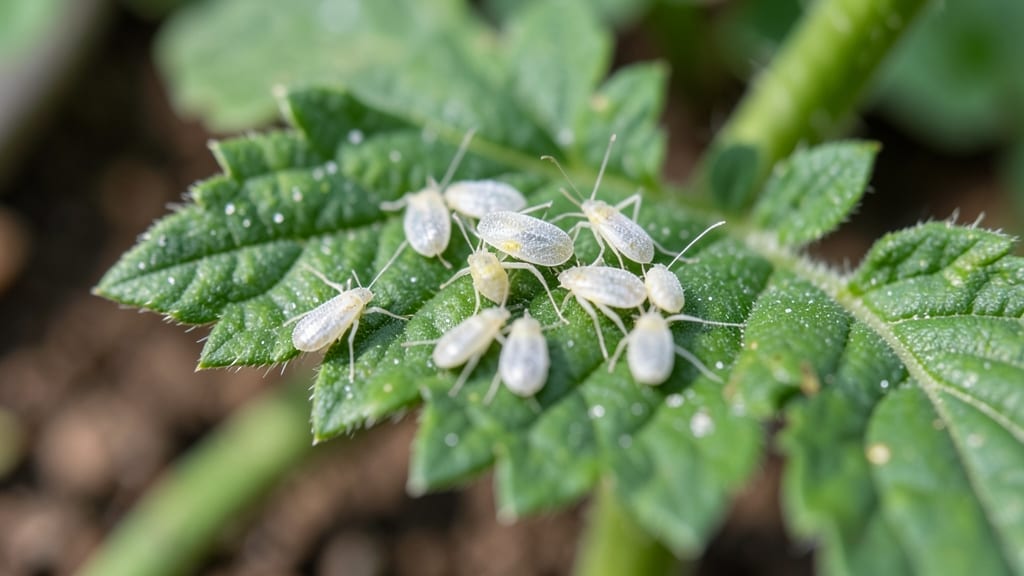
Those tiny white bugs on your tomato plants are a nightmare—until you learn this organic trap-and-erase strategy that works in days, not weeks. 🌿 I’ve battled them for years, and the key isn’t just sprays but a mix of traps, pruning, and beneficial bugs that outsmart the pests before they wreck your harvest.
The first sign? Sticky leaves from their honeydew, followed by curled foliage and stunted growth. Most gardeners panic and grab chemical sprays, but that disrupts the whole ecosystem. Instead, start with yellow sticky traps to catch adults, then prune infected leaves (wear gloves—those bugs itch!).
Add neem oil or insecticidal soap for a natural knockout punch. By week two, your tomatoes will bounce back with vibrant green leaves and no more white clouds fluttering away. The best part? You’re not just erasing the bugs—you’re inviting ladybugs and lacewings to move in permanently.
This method works for greenhouse tomatoes, container plants, or backyard beds—no matter how bad the infestation looks. Let’s turn those pests into a thing of the past.
The Hidden Triggers Behind Tiny Invaders
Those ghostly white specks fluttering around your tomato plants aren’t just random visitors—they’re tomato whiteflies, and their arrival is never accidental. Understanding the why behind their infestation is the first step to reclaiming your garden.
These pests don’t just show up for fun; they’re drawn by specific conditions that turn your tomatoes into an all-you-can-eat buffet. Let’s break down the science-backed reasons these tiny troublemakers decide your plants are their new favorite hangout.
Whiteflies thrive in warm, humid conditions, making summer and early fall their prime moving-in season. Here’s why:
- Temperature sweet spot: They love temps between 75–90°F (24–32°C). Cooler nights slow them down, but consistent heat? That’s an open invitation. 🔥
- Humidity as a magnet: High humidity (especially above 60%) keeps their eggs from drying out and makes it easier for them to spread. Think of it like a sauna for bugs—sticky and inviting.
- Weakened plants: Heat stress makes tomato plants more vulnerable. When leaves wilt or turn yellow, the plant’s defenses drop, and whiteflies detect the distress signal.
Actionable insight: If your garden is a hotspot, monitor temps and use shade cloth or drip irrigation (early morning/evening) to reduce stress on plants. A fan on high can also disrupt their flight patterns—like a buggy wind tunnel!
Whiteflies don’t bother with healthy, thriving tomatoes—they go for the easy meal. Overcrowded or nutrient-deficient plants are like neon signs for them. Here’s how it happens:
- Poor airflow: Dense foliage traps heat and moisture, creating the perfect breeding ground. Whiteflies lay eggs in protected areas where predators can’t reach them.
- Nutrient deficiencies: Plants low in nitrogen or potassium produce weak, sappy leaves—whitefly catnip. Look for yellowing leaves or stunted growth as red flags.
- Recent trauma: Pruning wounds, transplant shock, or even aphid damage (which whiteflies often follow) make plants more attractive. It’s like a free sample sale for pests.
Actionable insight: Space plants properly (follow tomato spacing guidelines for your variety) and mulch to retain moisture without suffocating roots. A balanced fertilizer (like 10-10-10) can help plants bounce back faster.
Whiteflies are expert hitchhikers, and they don’t care if your new tomato starts are from a nursery, a swap meet, or a neighbor’s garden. Here’s how they sneak in:
- Contaminated soil or compost: Eggs or pupae can hide in potting mix, especially if it’s been stored outdoors or reused from last season. Even “sterile” soil isn’t always sterile.
- Infested plant material: Bringing home a “healthy-looking” tomato plant with whitefly eggs on the underside of leaves is like inviting a houseguest who never leaves. Always inspect new plants!
- Wind and water: Adult whiteflies can fly short distances (up to 1–2 miles!) or hitch rides on breezes. Rain can also splash eggs from nearby weeds onto your tomatoes.
Actionable insight: Quarantine new plants for 2–3 weeks before introducing them to your garden. Use a soil solarization method (covering soil with clear plastic for a week in hot weather) to kill hidden pests. And remove weeds—they’re often whitefly way stations.
Your tomato plants might not be the first stop for whiteflies—weeds and wild plants often are. Here’s the connection:
- Alternative food sources: Whiteflies feast on over 500 plant species, including dandelions, milkweed, and nightshade. If these grow near your tomatoes, they’re like a 24-hour buffet.
- Seasonal migration: In late summer, adult whiteflies may leave weeds to attack tomatoes, especially if the weeds are drying out or dying.
- Pest overlap: Weeds often host other pests (like aphids or spider mites), which attract predators that also eat whiteflies—creating a chaotic ecosystem.
Actionable insight: Maintain a 3–5 foot “pest-free zone” around your tomato plants. Pull weeds regularly, and consider yellow sticky traps near the perimeter to intercept migrating adults.
Next up: Once you know why they’re there, it’s time to outsmart them with organic strategies that don’t rely on harsh chemicals. 🚀
Quick Fixes for Tiny White Pests
Got those pesky white specks ruining your tomato plants? 🥔🐛 Don’t panic—these organic, actionable solutions will help you reclaim your garden without harsh chemicals. Below, we’ve mapped the most common causes of tomato white bugs to easy, effective fixes, plus prevention tips to keep your plants thriving.
Before treating, confirm what’s attacking your tomatoes. Common white pests include:
- Aphids (tiny, clustered, often on new growth)
- Whiteflies (tiny, moth-like, flutter when disturbed)
- Mealybugs (cottony white patches, sticky residue)
- Fungus gnats (larvae in soil, adults fly near plants)
Pro tip: 💡 Shake your plant over a white sheet—if tiny white bugs scatter, you’ve got a match!
If your tomatoes are already infested, these DIY sprays work fast and safely:
1. Soap Spray (Best for Aphids & Whiteflies)
How to make it:
- Mix 1 tbsp mild liquid soap (like Castile) + 1 quart water.
- Add 1 tsp vegetable oil (helps it stick).
- Spray directly on pests (undersides of leaves too!).
Why it works: 🔥 Soap breaks down their protective coating, dehydrating them.
When to apply: Early morning or late evening (avoid direct sun—it can burn leaves).
2. Neem Oil Solution (All-Purpose Pest Killer)
How to make it:
- Mix 1 tbsp neem oil + 1 tsp dish soap + 1 quart water.
- Shake well and spray thoroughly on leaves and stems.
Why it works: 🌡️ Neem oil disrupts pests’ life cycles and repels future infestations.
When to apply: Every 5–7 days until pests disappear (safe for most plants).
3. Garlic & Chili Pepper Spray (Natural Repellent)
How to make it:
- Blend 4 garlic cloves + 1 tbsp cayenne pepper + 1 quart water.
- Strain, add 1 tsp soap, and spray on plants.
Why it works: 🎯 The strong scent confuses pests and acts as a deterrent.
Best for: Prevention—spray around plants weekly during peak pest season.
Sometimes, hands-on action works better than sprays:
1. Knock ‘Em Off with Water
- Blast pests with a strong stream of water (early morning works best).
- Repeat every 2–3 days until they’re gone.
2. Sticky Traps for Flying Pests (Whiteflies & Fungus Gnats)
- Hang yellow sticky traps near plants—whiteflies are drawn to the color.
- Place traps 1–2 feet above plants for best results.
3. Row Covers (Preventative Shield)
- Use fine mesh row covers to block adult pests from laying eggs.
- Secure tightly around plants—especially useful for fungus gnats.
Healthy plants resist pests better. Try these root-level solutions:
1. Beneficial Nematodes (For Soil-Dwelling Pests)
- Apply heterorhabditis bacteriophora nematodes to soil (they eat fungus gnat larvae).
- Best time: Early morning or late evening (keep soil moist for 24 hours after application).
2. Diatomaceous Earth (DE) Dust (For Crawling Pests)
- Sprinkle food-grade DE lightly on soil and leaf undersides.
- Why it works: 🔪 DE cuts pests’ exoskeletons, dehydrating them.
- Reapply after rain (it loses effectiveness when wet).
3. Improve Drainage (Fungus Gnat Prevention)
- Overwatering = fungus gnat paradise. Ensure pots have drainage holes and let soil dry slightly between waterings.
Stop pests before they start with these easy habits:
| Do This | Why It Helps | When to Do It |
|---|---|---|
| Rotate crops | Prevents soil-borne pests from building up | Every 2–3 years |
| Remove plant debris | Eliminates hiding spots for pests | Weekly |
| Plant companion crops | Marigolds, basil, and nasturtiums repel pests | At planting time |
| Encourage predator bugs | Ladybugs, lacewings, and parasitic wasps eat white bugs naturally | Year-round (avoid pesticides) |
| Mulch properly | Keeps soil moist but prevents fungal growth | Spring planting |
If your tomatoes are severely infested, try this 3-step combo attack:
- Spray neem oil in the evening.
- Set out sticky traps the next morning.
- Hand-pick large clusters of pests (drop them in soapy water).
Repeat every 3 days until you see improvement.
Remember: 🌱 Consistency is key—pests don’t disappear overnight, but with regular checks and treatments, your tomato plants will bounce back stronger!
Frequently asked questions
Are those tiny white bugs on my tomatoes harmful?
Yes, they can be! Common culprits like whiteflies, aphids, or mealybugs suck plant sap, causing stunted growth, yellowing leaves, and sticky honeydew residue. Left unchecked, they weaken plants and may attract mold. Act fast with organic sprays or traps to protect your harvest.
How do I tell if it’s whiteflies vs. aphids?
Whiteflies are tiny moth-like bugs that flutter when disturbed, while aphids stay clustered and don’t fly. Check leaf undersides: whiteflies leave a waxy residue, while aphids create curled leaves. Shake your plant over a white sheet—whiteflies scatter in clouds!
Will neem oil kill tomato plants?
No, when used correctly! Dilute 1 tbsp neem oil + 1 tsp soap + 1 quart water and apply at dusk. Avoid spraying in direct sun (can cause leaf burn). Always test a small area first, and never use undiluted oil—it’s toxic to plants.
Can I use sticky traps indoors for potted tomatoes?
Yellow sticky traps work great for indoor plants too. Place them 1–2 feet above your potted tomatoes near windows or vents where whiteflies might enter. Just ensure they’re out of reach of pets/kids—once stuck, they can’t escape!
Why do white bugs keep coming back after treatment?
Pests often return if eggs remain hidden or new adults fly in from nearby plants. For stubborn infestations, combine neem oil sprays with sticky traps and remove weeds (they’re pest reservoirs). Repeat treatments every 5–7 days until no new bugs appear.