
Diseases
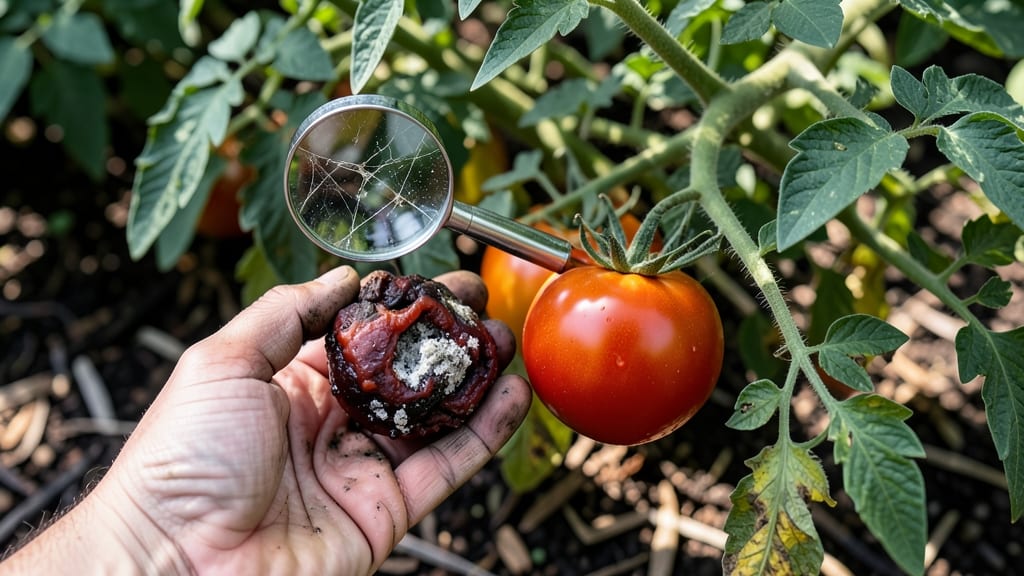
Your tomatoes won’t rot on the vine before harvest—I’ve stopped it every season since learning these early warning signs and fixes. 🌱 The moment you spot those dark, sunken patches or yellowing leaves, you’re already in a race against time to save your crop.
What starts as a small brown spot on the bottom leaves can spread to the fruit itself, turning them mushy and inedible within weeks if ignored.
Most rot comes from two culprits: early blight (caused by fungus) and blossom end rot (calcium deficiency), both of which thrive in hot, humid conditions or inconsistent watering. The good news?
You can prevent 90% of cases with simple adjustments—like spacing plants for airflow, watering at the base (not overhead), and adding mulch to keep soil moist but not soggy.
I’ve also seen chemical sprays work fast, but organic solutions like copper fungicide or baking soda mixtures can be just as effective when caught early.
Here’s the game-changer: rot prevention starts before planting. Choose disease-resistant varieties, rotate crops yearly, and test your soil for calcium and pH imbalances. Once you spot symptoms, act within 24 hours—remove infected leaves immediately, prune for better airflow, and adjust your watering routine.
Your goal isn’t just to save this year’s tomatoes but to break the cycle for next season.
This isn’t just about saving a harvest—it’s about growing tomatoes that stay crisp, flavorful, and rot-free from seed to table. Whether you’re dealing with early blight, late blight, or blossom end rot, the fixes are simpler than you think.
Let’s get your plants back on track before the next rainstorm rolls in.
Root Causes Of Vine Rot
Tomato rot on the vine is a frustrating sight for any gardener—those once-vibrant fruits turning mushy or developing dark, unsightly spots before they’re even ripe. But why does this happen? The answer lies in a mix of environmental stressors, fungal infections, and even poor plant health.
Understanding these causes is the first step to stopping them in their tracks. Let’s break down the science behind the rot.
Tomatoes thrive in warmth, but too much heat—especially when paired with high humidity—creates the perfect storm for rot. When temperatures soar above 90°F (32°C), the plant’s natural defenses weaken, making it vulnerable to Phytophthora and Fusarium fungi, which cause blossom-end rot and other decay.
Poor airflow exacerbates the issue by trapping moisture against the fruit, creating a damp, fungal-friendly environment.
Key triggers:
- Stagnant air in dense plantings or crowded vines
- Plastic mulch or thick mulch layers that trap heat
- Afternoon sun without evening cooling
💡 Pro Tip: Space plants 18–24 inches apart and prune suckers to improve airflow. If your garden gets scorching hot, opt for heat-tolerant varieties like ‘Solar Fire’ or ‘Heatmaster.’
Tomatoes need consistent moisture, but fluctuations in watering create chaos. Too little water leads to blossom-end rot (a calcium deficiency symptom), while sudden soaking can trigger Alternaria or Septoria leaf spots, which spread to fruit.
Even more problematic? Splashing water from overhead irrigation or rain can carry fungal spores directly onto tomatoes, accelerating rot.
Common watering mistakes:
- Skipping water during fruit set (critical for calcium uptake)
- Using drip irrigation improperly (e.g., emitters too close to stems)
- Watering late in the day, leaving foliage wet overnight
🔥 Fix It: Water deeply at the base (1–2 inches per week) and avoid wetting leaves. For container growers, ensure pots have drainage holes and use calcium-rich amendments like crushed eggshells or gypsum.
Most vine rots are caused by pathogens that exploit weak spots in your tomatoes. Here’s the breakdown of the worst offenders:
| Pathogen | Symptoms | How It Spreads |
|---|---|---|
| Phytophthora infestans (Late Blight) | Dark, greasy spots on fruit and leaves; rapid decay | Splashing water, infected soil, or wind from nearby plants |
| Fusarium solani (Fusarium Wilt) | Wilting, yellowing leaves; internal fruit rot (no external signs) | Contaminated soil or tools; survives in plant debris |
| Alternaria solani (Early Blight) | Concentric rings or dark spots on fruit; defoliation | Spores spread by wind or water; thrives in warm, humid conditions |
| Bacterial Spot (Xanthomonas perforans) | Water-soaked spots that turn crusty; fruit drops prematurely | Rain, overhead watering, or contaminated pruners |
🎯 Prevention: Rotate crops yearly, remove infected plants immediately, and apply copper fungicide preventatively if your area is prone to blight. For bacterial spot, sterilize tools with rubbing alcohol between uses.
Healthy soil is the backbone of disease resistance. When tomatoes lack key nutrients—especially calcium, potassium, and magnesium—they become susceptible to rot. For example, blossom-end rot is directly tied to calcium deficiency, while splitting (another form of rot) often stems from uneven water or potassium imbalances.
Soil red flags:
- Compacted or clay-heavy soil (poor drainage)
- Low organic matter (<3% by volume)
- pH outside the ideal range of 6.0–6.8
🌡️ Soil Test First: Use a home test kit or send a sample to your local extension office. Amend soil with compost, bone meal (for calcium), and greensand (for magnesium) before planting.
By tackling these root causes—heat, water, pathogens, and poor soil—you’ll give your tomatoes the fighting chance they need. Next up: How to stop rot before it starts.
Quick Fixes for Vine Diseases
Tomato rot on the vine—whether it’s black spots, blight, or other unsightly decay—can feel like a nightmare for gardeners. But don’t toss those plants just yet! With the right approach, you can often save your tomatoes and prevent future outbreaks.
Below are targeted solutions for common causes, along with prevention tips to keep your vines healthy and productive.
Fungal diseases like early and late blight thrive in moisture and warm conditions, turning leaves yellow or brown with dark spots. Here’s how to stop the spread:
🔥 Remove Infected Plant Parts
- Snip off diseased leaves, stems, or fruit using sterilized pruners (wipe with rubbing alcohol between cuts).
- Do not compost infected plant material—toss it in the trash to prevent reinfection.
🌡️ Improve Airflow & Reduce Moisture
- Space plants 18–24 inches apart to allow airflow.
- Water at the base (not overhead) and early in the day so foliage dries quickly.
- Use drip irrigation instead of sprinklers to keep leaves dry.
💡 Apply Fungicides (Organic & Chemical Options)
- Baking soda spray: Mix 1 tsp baking soda + 1 tbsp oil + 1 tsp mild soap in 1 gallon of water.
Spray every 7–10 days. - Copper fungicide: Follow label instructions for preventative sprays (works well for early blight). - Neem oil: A natural fungicide—spray weekly for prevention or at first signs of blight.
✨ Prevent Future Outbreaks
- Rotate crops: Avoid planting tomatoes (or nightshades like peppers/eggplants) in the same spot for 3 years.
- Choose resistant varieties: Look for blight-resistant tomatoes (e.g., ‘Mountain Merit’, ‘Defiant PhR’).
- Clean up debris: Remove all plant waste after harvest to eliminate fungal spores.
Bacterial infections (like Xanthomonas or Pseudomonas) cause black, water-soaked spots that spread rapidly. Since bacteria can’t be cured, focus on containment and prevention:
👨🍳 Prune Aggressively & Isolate Plants
- Remove infected leaves/fruit immediately—bacteria spread via water splashes.
- Avoid working in the garden when plants are wet to prevent spreading bacteria.
- Isolate new plants for 2 weeks before adding them to your garden.
🔪 Sterilize Tools & Hands
- Wash hands with soap before and after gardening.
- Disinfect pruners with rubbing alcohol or bleach water (1:10 ratio) between cuts.
🌿 Boost Plant Health Naturally
- Strengthen plants with compost—healthy tomatoes resist infections better.
- Avoid overhead watering (use soaker hoses or drip lines).
- Use a copper-based bactericide (like Copper Soap) as a preventative spray.
🎯 Long-Term Prevention
- Test soil pH (aim for 6.0–6.8)—bacteria thrive in alkaline conditions.
- Plant in well-draining soil to reduce stress on plants.
- Rotate crops and solarize soil (cover with clear plastic for 4–6 weeks in summer) to kill bacteria.
If your tomatoes are rotting from the bottom up, it’s likely phytoftora rot (a water-loving fungus). Here’s how to fix it:
💦 Adjust Watering Habits
- Water deeply but infrequently—1–1.5 inches per week (more in extreme heat).
- Check soil moisture before watering—stick your finger 1–2 inches deep; if dry, water.
- Avoid soggy soil—tomatoes hate "wet feet."
🏗️ Improve Soil Drainage
- Amend heavy clay soil with compost or perlite to improve aeration.
- Raise beds if your garden holds too much water.
- Mulch with straw or grass clippings (keep 4–6 inches away from stems) to reduce soil splash.
🌡️ Use Fungicides for Phytophthora
- Apply a fungicide with phosphite acid (e.g., Phostrol) at first signs of rot.
- Repeat every 2–3 weeks during wet seasons.
🌱 Choose the Right Varieties
- Grafted tomatoes (like ‘Beefsteak’ on ‘Maxifort’ roots) resist soil-borne diseases.
- Cherry tomatoes (like ‘Sweet Million’) often handle moisture better than large slicers.
No matter the cause, these universal fixes can help revive struggling plants:
| Problem | Quick Fix | Prevention Tip |
|---|---|---|
| Yellowing leaves | Check for pests, adjust watering | Test soil for nutrient deficiencies |
| Stunted growth | Fertilize with balanced tomato food | Side-dress with compost mid-season |
| Wilting (even with water) | Prune lower leaves to improve airflow | Trellis plants for better circulation |
| Fruit cracking | Mulch to regulate soil moisture | Water consistently (no feast/famine) |
💡 Pro Tip: If your plants are beyond saving, save the seeds from healthy fruit for next year—don’t assume all tomatoes are doomed!
By acting fast and adjusting your care routine, you can minimize losses and keep your tomato harvest thriving. Now grab those pruners and get to work—your garden (and your salsa) will thank you! 🌱🍅
Frequently asked questions
What’s the difference between early blight and late blight on tomato plants?
Early blight appears as brown, concentric rings on leaves and stems, while late blight shows up as dark, greasy-looking spots that spread rapidly in wet conditions. Early blight targets lower leaves first, while late blight attacks both leaves and fruit, causing soft rot. Late blight is more aggressive and can destroy crops in days if untreated.
Can I still eat tomatoes that have early blight spots?
Yes, but only if the spots are small and surface-level. Cut away the affected areas with 1 inch of healthy tissue around the spot. Avoid eating tomatoes with deep rot or those that feel mushy—these may harbor harmful bacteria. Always wash tomatoes thoroughly before eating.
How often should I spray neem oil to prevent fungal rot?
Apply neem oil every 7–10 days during the growing season, especially when humidity is high. Start spraying preventatively at flowering and continue until harvest. Mix 1–2 tbsp of neem oil per gallon of water with a drop of mild soap to help it stick to leaves.
Will mulching actually help prevent tomato rot?
Mulching with straw or grass clippings keeps soil moist but not soggy, reduces soil splash (which spreads spores), and regulates temperature. Just keep mulch 4–6 inches away from stems to prevent rot at the base. Organic mulches also improve soil health over time.
Can I use coffee grounds to treat tomato rot?
While coffee grounds add nitrogen, they’re not a direct cure for rot. However, they can help boost plant health when used as a soil amendment. For active rot, focus on removing infected parts and improving airflow. Use coffee grounds sparingly—too much can acidify soil and harm plants.