
Companion Plants
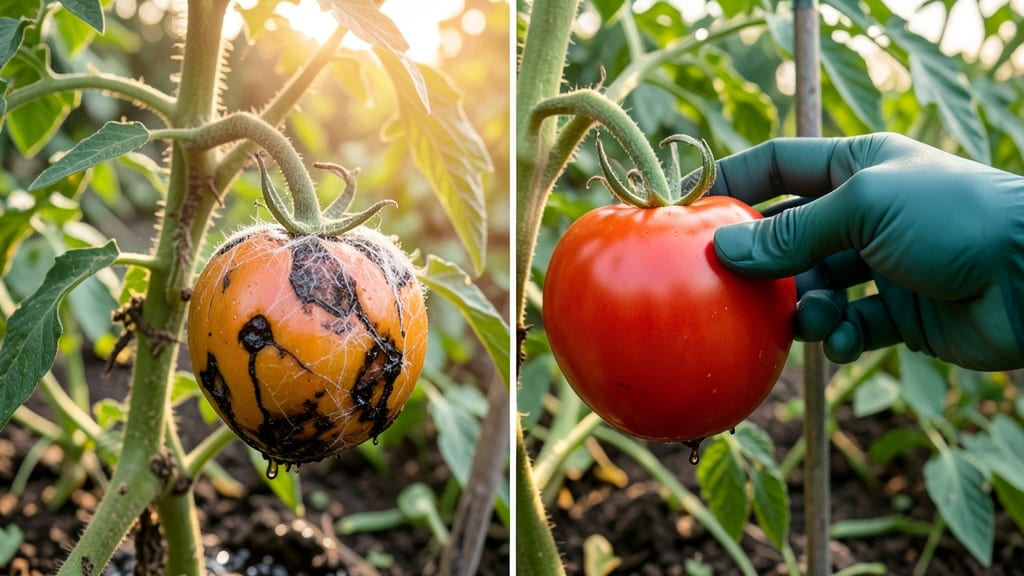
Tomato plants rotting on the vine usually means one of three culprits: blight, overwatering, or poor airflow. 🌱 I’ve lost entire harvests to this, but now I know the exact steps to save your plants—and even bring them back from the brink.
The key is acting fast, before the rot spreads to healthy fruit.
Blight loves warm, wet conditions, turning leaves brown and mushy in days. Overwatering drowns roots, while crowded plants trap moisture where fungi thrive. My first mistake was ignoring the early yellowing leaves—by the time I noticed the rot, it was too late.
The good news? You can stop it with proper spacing, pruning, and even a simple baking soda spray.
Within 24 hours of pruning and spacing, you’ll see better airflow, and new growth will push out. For blight, a mix of 1 tablespoon baking soda, 1 quart water, and a drop of dish soap sprayed on leaves every 7–10 days works like a charm.
The goal isn’t perfection—it’s saving what’s left and preventing more damage.
This works for both backyard gardens and container-grown tomatoes. The same principles apply whether you’re dealing with early blight, late blight, or just general rot. Let’s get those plants healthy again—before the fruit falls off.
Root Causes Of Vine Rot
Understanding why tomato plants rot on the vine is the first step to saving your harvest. This frustrating issue often stems from a mix of environmental factors, fungal infections, and poor growing conditions. Below, we break down the most common culprits—so you can identify the problem and act fast.
When temperatures soar—especially above 85°F (29°C)—tomatoes can develop a condition called "sunscald" or simply overripen on the vine. While not a true rot, the fruit softens, bruises easily, and becomes prone to mold.
- Why it happens: High heat accelerates respiration, causing sugars to break down faster.
The skin weakens, making tomatoes susceptible to cracking, splitting, or attracting pests like fruit flies. - Key signs: Yellowing, mushy spots, or a fermented smell. - Actionable fix: Provide shade cloth during peak afternoon sun or use mulch to keep soil cooler.
Harvest tomatoes when they’re firm but ripe (color change, slight give) to prevent overripening.
The most devastating culprits are fungal diseases, particularly early blight (Alternaria solani) and late blight (Phytophthora infestans). These thrive in humid, wet conditions and can destroy a crop in weeks.
🍅 Early Blight: The Slow Burner - Why it happens: Spores spread via wind, water, or tools, infecting leaves first.
As the disease progresses, it moves to the fruit, causing concentric brown spots that enlarge and rot the tomato. - Key signs: - Leaves develop target-like lesions (dark rings with yellow halos). - Fruit shows leathery, sunken brown patches that spread inward. - Actionable fix: - Remove infected leaves/fruit immediately (don’t compost—bag and discard). - Space plants 18–24 inches apart for airflow. - Apply copper fungicide preventatively or use baking soda spray (1 tsp baking soda + 1 quart water + a drop of dish soap).
🍅 Late Blight: The Silent Killer - Why it happens: This aggressive pathogen thrives in cool, damp weather (60–77°F / 15–25°C).
It spreads rapidly, causing entire plants to collapse within days. - Key signs: - Greasy, dark purple-brown spots on leaves (unlike early blight’s dry lesions). - Fruit rots quickly, turning black and mushy. - Actionable fix: - Prune lower leaves to improve airflow. - Water at the base (never overhead) and avoid nighttime irrigation. - Use organic fungicides like neem oil or serenade (contains beneficial bacteria).
Tomatoes are 95% water—but too much or too little can trigger rot.
- Why it happens:
- Overwatering: Soggy soil suffocates roots, leading to root rot (Phytophthora or Pythium) and fruit rot.
- Inconsistent watering: Causes cracks in tomatoes (from rapid swelling), inviting mold.
- Key signs:
- Blackened stems at the base (root rot).
- Soft, squishy tomatoes with a foul odor.
- Actionable fix:
- Water deeply 1–2 times per week (1–1.5 inches total), morning only.
- Use drip irrigation or soaker hoses to keep foliage dry.
- Improve drainage by amending soil with compost or perlite.
Insects and animals can physically wound tomatoes, creating entry points for rot.
- Why it happens:
- Fruitworms (tomato hornworms) bore into tomatoes, causing internal rot.
- Birds or squirrels peck at ripe tomatoes, leaving open wounds for bacteria/fungi.
- Hail or wind bruises fruit, speeding up decay.
- Key signs:
- Holes in tomatoes with frass (insect droppings).
- Uneven rot where the skin is broken.
- Actionable fix:
- Handpick pests (especially hornworms) or use BT (Bacillus thuringiensis) spray.
- Cover young plants with row fabric to deter birds.
- Harvest bruised tomatoes early and use them in sauces (cooking kills some pathogens).
Rich, fertile soil is great—but too much nitrogen or poor drainage can backfire.
- Why it happens:
- Excess nitrogen promotes leafy growth at the expense of fruit, weakening the plant’s defenses.
- Compacted or clay-heavy soil holds moisture, encouraging rot.
- Key signs:
- Lush green leaves but few tomatoes.
- Tomatoes rot near the soil line (from poor airflow).
- Actionable fix:
- Balance fertilizer with a low-nitrogen, high-potassium blend (e.g., 5-10-10).
- Test soil pH (aim for 6.0–6.8) and amend with lime (to raise pH) or sulfur (to lower it).
- Add organic matter like compost or coconut coir to improve drainage.
Revive Your Tomatoes Fast
When your tomato plants start rotting on the vine, panic isn’t the answer—action is! The good news? Most causes have straightforward fixes, and with a little effort, you can save your harvest (and your sanity).
Below, we break down the most common culprits and the easy, practical steps to turn things around—plus tips to keep your plants thriving long-term.
If your tomatoes are covered in dark, mushy spots or yellowing leaves, fungal diseases like early blight, late blight, or gray mold are likely to blame. Here’s how to tackle them:
🔥 Remove the Problem Immediately
- Snip and toss infected leaves, stems, or fruit into the trash (not compost). Fungal spores spread easily, so containment is key.
- Prune for airflow: Thin out crowded foliage to reduce humidity—fungi love damp, stagnant air. Aim for 12–18 inches of space between plants.
🍳 Apply Fungicides (Natural or Store-Bought)
- Baking soda spray: Mix 1 tsp baking soda + 1 tbsp vegetable oil + 1 tsp mild soap per quart of water. Spray under leaves every 7–10 days.
- Copper fungicide: Follow package instructions for a chemical-free but effective barrier.
- Neem oil: A natural fungicide and insect repellent. Spray in the early morning or evening to avoid harming bees.
👨🍳 Adjust Watering Habits
- Water at the base, not overhead. Use a drip irrigation system or soaker hose to keep leaves dry.
- Water early in the day so foliage has time to dry before nighttime humidity sets in.
🌡️ Prevent Future Outbreaks
- Rotate crops: Don’t plant tomatoes (or potatoes/peppers) in the same spot next year—fungi linger in the soil.
- Solarize your soil: Cover beds with clear plastic for 4–6 weeks in hot sun to kill fungal spores.
- Choose resistant varieties: Opt for blight-resistant tomatoes like ‘Mountain Merit’ or ‘Defiant PhR.’
Soggy soil is a fast track to rot. If your tomatoes are wilting or the stems feel mushy when squeezed, drainage (or lack thereof) is the issue.
⏰ Check Your Watering Routine
- Water deeply but infrequently: Aim for 1–1.5 inches per week, including rainfall. Let the top 1–2 inches of soil dry out between waterings.
- Test your soil: Stick your finger in the soil—if it’s damp past 2 inches, cut back.
🔪 Improve Soil & Drainage
- Raise beds or containers: If your garden has poor drainage, plant tomatoes in raised beds or containers with drainage holes.
- Amend heavy clay soil: Mix in compost, perlite, or coarse sand to loosen it up.
- Mulch properly: Use straw or shredded leaves (not grass clippings) to retain moisture without suffocating roots.
🎯 Prevent Compaction
- Avoid walking on garden beds—compacted soil traps water. Use boardwalk paths if needed.
Pests like aphids, hornworms, or even birds can stress plants, making them vulnerable to rot. A healthy plant fights off disease better!
🔪 Remove Pests Manually
- Handpick hornworms (they’re camouflaged—look for black “horns” and green poop).
- Blast aphids off with a strong spray of water. Repeat every few days.
- Set up bird netting if birds are pecking at ripe tomatoes.
💡 Boost Plant Health
- Fertilize lightly: Use a balanced fertilizer (10-10-10) or compost tea to strengthen plants without encouraging leafy (but weak) growth.
- Avoid over-fertilizing with nitrogen: Too much = soft, disease-prone foliage. Focus on potassium and phosphorus for fruit health.
✨ Companion Plants to the Rescue
- Plant basil, marigolds, or garlic nearby to repel pests and improve airflow.
- Interplant with onions or chives—they deter aphids and fungal spores.
Extreme heat, cold snaps, or sudden rain can stress tomatoes, making them susceptible to rot. Here’s how to shield them:
🌞 Shield from Scorching Sun
- Use shade cloth (30–50%) if temps hit 90°F+. Tomatoes need sun, but too much can cause sunscald (white patches) and weaken plants.
- Grow in partial shade if you’re in a hot climate (e.g., Southern U.S.).
🌧️ Protect from Heavy Rain
- Use row covers during forecasted downpours to prevent waterlogging.
- Train vines upward with stakes or cages to keep fruit off wet soil.
🌡️ Prevent Cold Stress
- Cover plants with frost cloth if nighttime temps dip below 50°F.
- Mulch heavily with straw to insulate roots.
With these fixes, your tomato plants should bounce back in 1–2 weeks. The key? Act fast, improve airflow and drainage, and keep plants healthy. Once you’ve rescued this year’s crop, use these tips to blight-proof next season—your future salads will thank you!
Frequently asked questions
Can I still save my tomatoes if they're already rotting on the vine?
Yes, but act fast! Remove any visibly rotting fruit immediately to prevent spread. Prune crowded foliage to improve airflow, and apply a baking soda spray (1 tbsp baking soda + 1 quart water + drop of dish soap) every 7–10 days. For severe cases, harvest what's salvageable and compost the rest (if no fungal disease is present).
How do I tell if my tomato rot is from blight or overwatering?
Blight shows as concentric brown spots on leaves/fruit, while overwatering causes blackened stems at the base and mushy tomatoes. Check the soil: if it's soggy, drainage is the issue. Blight thrives in humidity, so poor airflow (crowded plants) is a red flag. Test both by adjusting watering and spacing.
Will copper fungicide harm my plants or beneficial insects?
When used correctly, copper fungicide is safe for plants but can harm bees and beneficial insects like ladybugs. Apply only when flowers aren't open (early morning or evening), avoid spraying directly on blooms, and follow label instructions. For organic gardens, rotate with neem oil or baking soda sprays to minimize impact.
Can I use last year's compost if my tomatoes had blight?
No—never use compost from infected plants! Fungal spores survive composting. Instead, bag and discard infected plant material in the trash (not compost bin). For next year, solarize your soil (cover with clear plastic for 4–6 weeks in hot sun) to kill lingering spores before replanting.
How often should I prune my tomato plants to prevent rot?
Prune every 2–3 weeks during the growing season to maintain 12–18 inches of space between plants and improve airflow. Remove suckers (side shoots) and lower leaves that touch wet soil. Focus on opening up the plant's center—this reduces humidity where fungi thrive and helps fruit ripen faster.