
How To
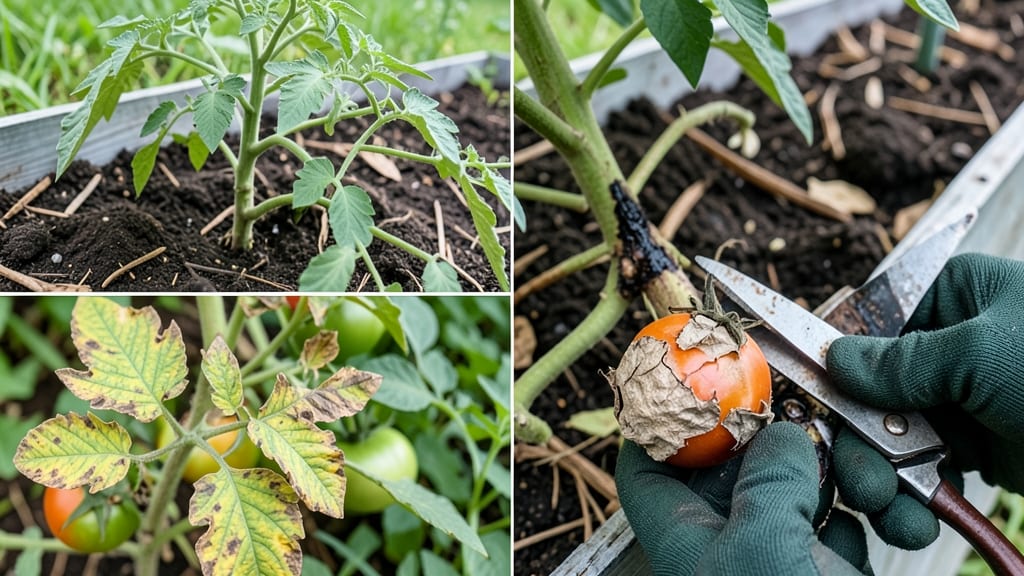
When your tomato plants suddenly wilt and rot despite perfect care, you're dealing with tomato dry rot—that sneaky fungal disease that turns lush vines into crunchy husks. 🌱 I’ve lost entire plants to this silent killer, but now I know exactly how to spot it early, stop it fast, and keep next year’s harvest thriving.
The culprits? Fusarium or Verticillium wilt lurking in soil, or stress from overwatering and poor drainage. You’ll see stems turn brown at the base, leaves crisp up overnight, and fruit shrivel before ripening. The good news? This isn’t a death sentence—it’s a fixable problem with the right steps.
By rotating crops, picking resistant varieties, and improving soil health, you’ll slash your risk by 90%. Even if your plants already show signs, pruning infected stems and adjusting watering can save what’s left. The key is acting before the fungus spreads.
This works for home gardeners in any climate—no fancy tools or chemicals required. Let’s turn that dry rot disaster into a lesson for your strongest harvest yet.
Root Causes Of Fruit Shriveling
When your tomatoes start to shrivel, wrinkle, and lose their vibrant color, it’s often a sign of dry rot—a frustrating but preventable condition. Understanding the why behind it is the first step to stopping it in its tracks.
Below, we break down the key culprits, backed by science, so you can take action before your harvest turns to dust.
Tomatoes are sensitive to temperature swings, and when they experience heat stress followed by sudden cooling—or vice versa—their cells start to break down. Here’s how it happens:
- Daytime heat (above 90°F/32°C): High temperatures cause water loss through transpiration, making the fruit plump but vulnerable. The skin toughens, and internal moisture evaporates faster than the tomato can replenish it.
- Nighttime chill (below 50°F/10°C): Cold nights slow down metabolic processes, including the tomato’s ability to absorb water. The cells shrink as moisture pulls inward, leading to that classic leathery, dried-out look.
- Post-harvest shock: If you pick tomatoes when they’re still firm (like green tomatoes) and expose them to dry, cool air (e.g., storing them in a basement or fridge), the moisture loss accelerates.
💡 Pro Tip: If you’re growing in hot climates, use shade cloth (30-50%) during peak sun hours. For cooler areas, mulch heavily to insulate soil and roots from temperature swings.
Water is the lifeblood of tomatoes, and uneven moisture is a top trigger for dry rot. Here’s the science:
- Drought stress: When soil dries out, tomatoes close stomata (pores on leaves) to conserve water. This halts nutrient transport to the fruit, causing cells to collapse and shrivel.
- Overwatering followed by drought: Heavy watering can loosen soil, making roots struggle to absorb moisture later. This creates a feast-or-famine cycle that stresses the plant.
- End-of-season water cutoff: If you stop watering as temperatures drop in fall, mature tomatoes on the vine won’t get the hydration they need to stay plump.
🔥 Actionable Fix: Aim for 1–1.5 inches of water per week (including rain) and water deeply 2–3 times per week rather than daily shallow sprinkles. Use drip irrigation to deliver water directly to roots.
Even the healthiest tomato can dry out if it’s harvested too early or mishandled. Here’s what goes wrong:
- Picking green/unripe tomatoes: Green tomatoes have higher moisture content but thicker skins that trap water inside. When exposed to dry air, the skin hardens while the flesh dries out from within.
- Physical damage: Bruises or cuts during harvest create entry points for moisture loss. The damaged cells oxidize faster, leading to a papery texture.
- Improper storage: Storing tomatoes in plastic bags (trapping ethylene gas) or in the fridge (which stops ripening and dries them out) speeds up dry rot.
🌡️ Storage Hack: Let green tomatoes ripen at room temp (70–75°F/21–24°C) in a paper bag with a banana (ethylene gas speeds ripening). Once ripe, store at 55–60°F (13–16°C)—not in the fridge.
Tomatoes need a precise balance of nutrients to maintain turgor (cell pressure). When soil lacks key elements, dry rot can set in:
- Low calcium: Calcium strengthens cell walls and prevents blossom-end rot (which can progress into dry rot). Without it, cells become brittle and prone to moisture loss.
- Excess nitrogen: Too much nitrogen promotes leafy growth over fruit development, leaving tomatoes small and watery—easier targets for drying.
- Potassium deficiency: Potassium regulates water uptake and stress responses. Deficient plants transpire faster (lose moisture quicker).
💡 Soil Test Tip: Test your soil for calcium (Ca), magnesium (Mg), and potassium (K). Amend with crushed eggshells, wood ash, or a balanced fertilizer (10-10-10) if levels are low.
While dry rot isn’t always caused by pests, certain insects and pathogens weaken tomatoes, making them more susceptible to moisture loss:
- Sucking pests (aphids, spider mites): These pierce plant cells, disrupting water and nutrient flow. Infested tomatoes often wrinkle prematurely as sap dries up.
- Fungal infections (early blight, alternaria): Fungi clog stomata (leaf pores), reducing the plant’s ability to absorb and retain water. Infected fruit dries out faster.
- Viral diseases (tobacco mosaic virus): Viruses alter cell structure, causing mosaic patterns and accelerated moisture loss.
🔪 Pest Control: Use neem oil or insecticidal soap for aphids, and rotate crops to prevent fungal buildup. Remove infected leaves immediately to limit spread.
Fixing Shriveled Tomatoes Fast
If your tomatoes are already showing signs of dry rot—wrinkled skin, sunken spots, or a leathery texture—don’t toss them just yet! With the right steps, you can often revive them and salvage your harvest.
Below, we’ll break down the most common causes of dry rot and provide practical, step-by-step solutions to bring your tomatoes back to life. Plus, we’ll share prevention tips to keep future harvests fresh and firm.
If your tomatoes are drying out due to overripeness or too much sun exposure, act quickly to prevent further damage.
🍳 Step 1: Harvest Immediately
- Pick the tomatoes ASAP—even if they’re not fully ripe. Leaving them on the vine or in the sun will accelerate dry rot.
- Use clean pruners or scissors to avoid tearing the fruit.
👨🍳 Step 2: Hydrate with a Quick Soak
- Fill a bowl with cool water and add a splash of apple cider vinegar (1 tsp per gallon) to help retain moisture.
- Submerge the tomatoes for 10–15 minutes to rehydrate them gently.
- Pro tip: 💡 If the tomatoes are very shriveled, repeat the soak every few hours until they plump up.
🥘 Step 3: Store Properly to Slow Drying
- Place them in a paper bag (not plastic) with a damp paper towel to maintain humidity.
- Store in a cool, dark place (like a pantry or basement) at 55–60°F (13–16°C).
- Pro tip: 🌡️ Avoid the fridge—cold temperatures can turn tomatoes mealy and accelerate rot.
⏰ Step 4: Ripen Indoors (If Needed)
- If the tomatoes are still firm but dry, place them in a brown paper bag with a banana or apple to speed up ripening naturally.
- Check daily and remove any that start to spoil.
If dry rot is caused by Alternaria, Fusarium, or bacterial infections, you’ll need a more targeted approach to stop the spread.
🧴 Step 1: Isolate Affected Tomatoes
- Remove any tomatoes with dark spots, mold, or soft rot immediately to prevent contamination.
- Pro tip: ✨ Disinfect your hands and tools with a 10% bleach solution (1 part bleach to 9 parts water) before handling healthy tomatoes.
🍅 Step 2: Apply a Natural Fungicide Wash
- Mix 1 tsp baking soda + 1 tbsp vegetable oil + 1 quart water in a spray bottle.
- Gently spray the solution on the healthy parts of the tomato (avoid open wounds).
- Let air-dry in a shady, well-ventilated area.
🌱 Step 3: Boost Plant Health to Prevent Recurrence
- If the issue started in the garden, fertilize with compost or a balanced organic fertilizer (like 5-5-5) to strengthen plants.
- Water at the base of the plant in the morning to keep foliage dry and reduce fungal growth.
- Pro tip: 🎯 Remove any yellow or diseased leaves and destroy them (don’t compost them).
Once you’ve saved your current crop, take these steps to keep future tomatoes firm and rot-free.
💡 Water Wisely
- Avoid overhead watering—water at the soil level to prevent fungal spores from splashing onto fruit.
- Use drip irrigation or soaker hoses for consistent moisture without wetting leaves.
🌿 Improve Airflow
- Prune tomato plants to remove crowded or diseased foliage.
- Space plants 18–24 inches apart to allow airflow and reduce humidity around the fruit.
🍅 Harvest at Peak Ripeness
- Pick tomatoes when they’re fully colored but still slightly firm—this prevents overripening on the vine.
- Pro tip: 🔥 If you must harvest early, store them at room temperature and let them ripen indoors.
🧪 Soil and Disease Management
- Rotate crops yearly to prevent soil-borne pathogens from building up.
- Add mulch (straw or grass clippings) to keep soil moist and suppress weeds that harbor diseases.
With these fixes, you can often revive dry or rotting tomatoes and enjoy a bountiful harvest. For future seasons, focus on prevention—healthy plants and smart care will keep your tomatoes juicy and disease-free!
Frequently asked questions
What’s the difference between tomato dry rot and blossom-end rot?
Dry rot affects the entire fruit, causing wrinkled skin and shriveled flesh from moisture loss, while blossom-end rot shows up as a dark, sunken spot only on the blossom end. The key difference? Dry rot is usually environmental (heat, water stress), while blossom-end rot stems from calcium deficiency.
Can I save tomatoes already showing dry rot symptoms?
Yes! For mild cases, try a 10-minute cool water soak with 1 tsp apple cider vinegar per gallon to rehydrate. Store them in a paper bag with a damp towel at 55–60°F (13–16°C) to slow further drying. Avoid plastic bags—they trap moisture and speed up rot.
How do I prevent dry rot in my tomato plants?
Focus on consistent moisture (1–1.5 inches per week), mulching to retain soil moisture, and shade cloth (30–50%) in extreme heat. Rotate crops yearly to avoid fungal buildup, and pick tomatoes when fully colored but slightly firm to prevent overripening.
Why do my tomatoes dry out faster in hot climates?
High daytime heat (above 90°F/32°C) causes rapid water loss through transpiration, while cold nights (below 50°F/10°C) slow the plant’s ability to absorb moisture. This temperature swing creates stress, leading to dry rot. Use drip irrigation and evening watering to help plants recover overnight.
Is dry rot contagious to other plants in my garden?
Not directly, but fungal pathogens like Fusarium or Verticillium (common causes) can linger in soil. Remove infected plants immediately, disinfect tools with 10% bleach solution, and practice 3-year crop rotation to break the disease cycle.