
Planting
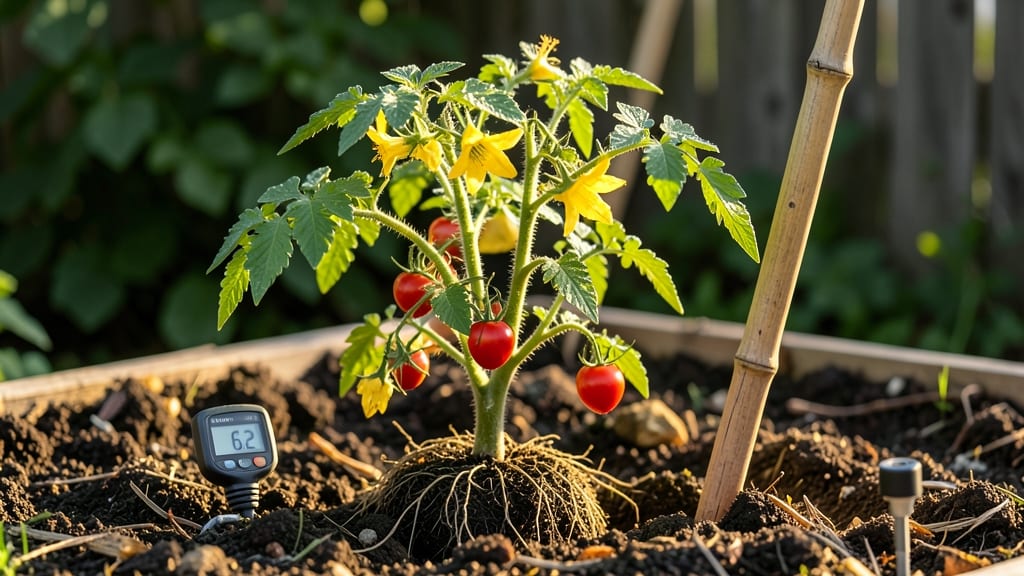
Tomato plant soil requirements include well-draining soil with organic matter, a pH between 6.0–6.8, loose texture, and moisture retention to support healthy growth and fruit production.
Getting the soil right for tomatoes isn't just about throwing in compost—it's about creating the perfect balance of nutrients, drainage, and structure. 🌱 The ideal mix should hold moisture without becoming soggy, since tomato roots need oxygen just as much as water.
I've found that adding aged manure or worm castings boosts microbial activity, which helps break down nutrients into forms the plants can absorb efficiently. For container gardens, a blend of potting soil, perlite, and coconut coir works wonders by preventing compaction while retaining just enough moisture for those thirsty plants.
One common mistake is assuming any old garden soil will do. Sandy soil drains too quickly, while clay holds too much water—both can stress tomato plants. The sweet spot is a loamy texture that crumbles easily when dry but stays slightly damp when squeezed.
Testing your soil's pH with a simple kit can save you from guessing, especially if your tomatoes start looking pale or stunted. Adjusting with lime (to raise pH) or sulfur (to lower it) takes time, so plan ahead for the best results.
💡 In This Article
- How Soil pH and Composition Affect Tomato Growth
- Best Soil Mixes and Amendments for Tomato Plants
How soil pH and composition affect tomato growth
The ideal pH range of 6.0–6.8 for tomato plants isn't arbitrary—it's where key nutrients become most available to roots. At this slightly acidic to neutral level, essential minerals like nitrogen (for leaf growth), phosphorus (for root development), and potassium (for fruit production) dissolve easily in soil water.
For example, phosphorus becomes nearly 10 times less available when pH drops below 5.5, which is why tomatoes grown in overly acidic soil often produce weak roots and stunted plants. 🌱
Soil composition plays an equally critical role. Organic matter like compost or aged manure improves soil structure by creating tiny air pockets that roots need to breathe. These pockets also hold moisture and nutrients near the roots while preventing waterlogging, which can suffocate roots.
A well-structured soil should feel like a damp sponge—it holds water but doesn't stay soggy. For instance, a blend with 20-30% organic matter can increase water retention by up to 40% compared to pure mineral soil, while also boosting microbial activity that breaks down nutrients.
Microbial activity is where the magic happens. Beneficial bacteria and fungi in healthy soil convert organic matter into plant-available nutrients through a process called mineralization. For tomatoes, this means more accessible nitrogen for lush foliage and phosphorus for strong root systems.
Without this microbial network, even nutrient-rich soil can fail to support vigorous growth. I've seen firsthand how adding 1 cup of worm castings per plant can double microbial populations within weeks, leading to noticeably healthier tomato plants.
Root health suffers dramatically outside the ideal pH range. Below 5.5, aluminum and manganese become toxic to roots, while above 7.5, phosphorus and iron become locked away. This explains why tomatoes in alkaline soils often develop yellowing leaves—a classic sign of iron deficiency.
The solution? Regular soil testing and amendments like elemental sulfur to lower pH or crushed limestone to raise it. For example, adding 1 pound of sulfur per 100 square feet can lower pH by 1 point over a growing season.
Texture matters just as much as chemistry. Tomato roots need both oxygen and water, which is why loamy soil—with its perfect balance of sand, silt, and clay—works best. Sandy soil drains too quickly, washing away nutrients, while clay holds water but suffocates roots.
The ideal mix should crumble when dry but hold its shape when moist. Adding 1 part perlite to 3 parts potting soil creates this ideal texture, improving drainage while maintaining moisture retention for consistent growth.
One often overlooked factor is soil temperature. Tomato roots thrive in soil that stays between 60-75°F. Cooler soils slow nutrient uptake, while temperatures above 85°F can damage roots. Mulching with straw helps maintain this temperature range by insulating the soil while also slowing moisture evaporation.
This simple practice can increase yields by 20-30% in hot climates by keeping roots in their optimal growing zone.