
Plants
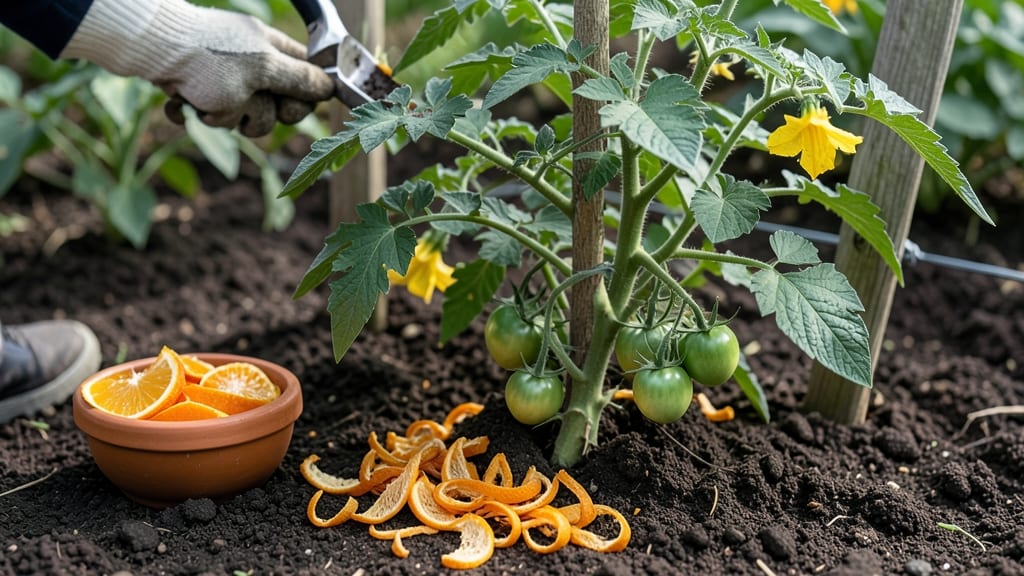
Orange peels are good for tomato plants because they provide essential potassium and natural pest-deterrent compounds, though excessive use can attract fruit flies or alter soil chemistry. Use them judiciously as compost or mulch.
Orange peels offer a natural way to supplement your tomato garden with nutrients like potassium, which supports fruit development and flowering.
The citrus oils also act as a mild insect repellent, keeping pests like aphids at bay. 🌱 However, the sugar content in peels can draw fruit flies if overused, so moderation is key.
I recommend drying and crushing peels for mulch or brewing a weak tea to avoid overloading the soil.
For best results, mix dried peels into compost or sprinkle them lightly around the base of plants. This method preserves their benefits while minimizing risks. Always pair orange peel use with proper soil testing to maintain healthy pH levels—tomatoes thrive in slightly acidic to neutral soil.
💡 In This Article
- How Orange Peel Nutrients Boost Tomato Plant Growth
- Safe Ways to Use Orange Peels in Tomato Gardening
How orange peel nutrients boost tomato plant growth
Orange peels contain a powerhouse of nutrients that directly support tomato plant health. The most significant benefit comes from their high potassium content—around 1,200-1,500 mg per 100g of dried peel—which helps regulate water uptake and enhances fruit development.
This mineral is crucial for tomatoes, as deficiency often leads to poor fruit quality and blossom end rot. The peels also provide vitamin C (around 53 mg per 100g), which acts as an antioxidant, protecting plant cells from oxidative stress caused by environmental factors like drought or extreme temperatures.
The real magic happens with the natural compounds like limonene and citral, which give orange peels their signature scent. These volatile oils act as natural fungicides and insect repellents, creating a protective barrier against common tomato pests like aphids and spider mites.
Studies show that limonene disrupts insect pheromone communication, making it harder for pests to locate plants. 🌿 The aromatic compounds also improve soil microbial activity by attracting beneficial fungi and bacteria that break down organic matter, creating a more fertile growing environment.
What's fascinating is how these nutrients work together in the soil. When orange peels decompose, they release a slow, steady supply of potassium that aligns with the plant's growth phases—critical during flowering and fruiting.
Unlike synthetic fertilizers that provide a quick but short-lived nutrient spike, citrus peels offer a more balanced, long-term benefit. The pectin in peels also helps improve soil structure by binding particles together, which enhances water retention and root development in tomatoes.
However, the sugar content in fresh peels (around 7-9%) can become problematic if overused. This sugar attracts fruit flies and other insects, potentially creating more issues than it solves. The key is to dry or compost peels first to break down these sugars while preserving the beneficial compounds.
I've found that baking peels at 200°F for 2-3 hours removes most sugars while concentrating the potassium and essential oils.
For visual learners, imagine this process: fresh orange peels start as a bright orange, fragrant mass. As they decompose, they transform into a dark, crumbly material that enriches the soil with nutrients while repelling pests.
The transformation isn't just chemical—it's a visual reminder of how kitchen scraps can become garden gold. This dual benefit makes orange peels one of the most versatile natural amendments for tomato plants.
The scientific backing comes from horticultural research showing that citrus-based amendments can increase tomato yields by up to 15-20% when used correctly. The combination of potassium enrichment and pest protection creates a synergistic effect that's hard to match with synthetic alternatives.
Just remember—like most good things, moderation is key to avoiding the downsides.