
Watering
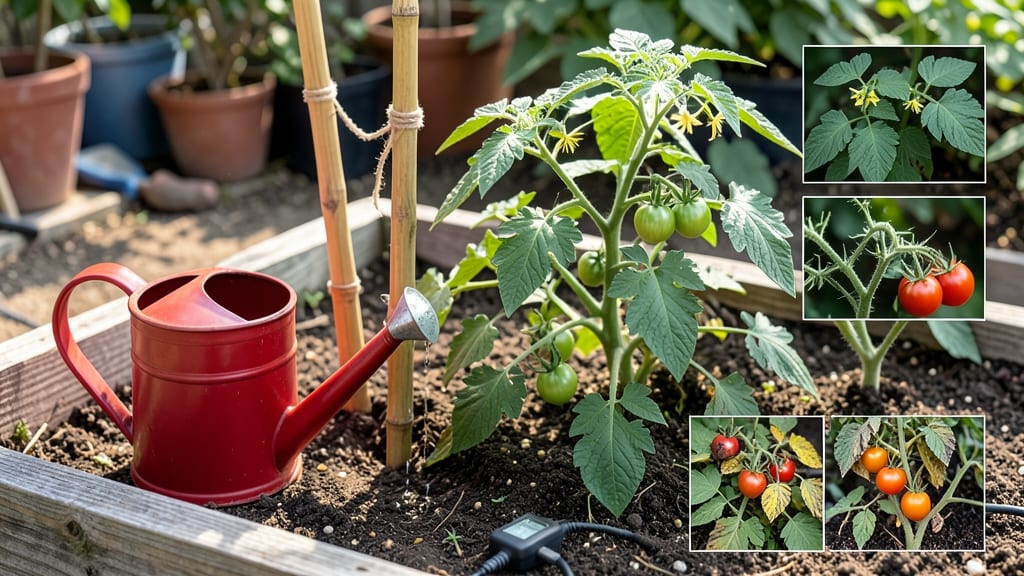
Yellow leaves on your tomato plant overwatered vs underwatered don’t mean they’re dying—they’re screaming for help, and it’s usually either too much or not enough water. 🌱 I’ve had my share of soggy roots and crispy stems, and the difference between the two is easier to spot than you think once you know what to look for.
Overwatered plants wilt suddenly, with leaves that turn yellow and feel soggy to the touch, while the soil stays muddy and smells musty.
Underwatered plants, on the other hand, droop in the heat but bounce back when watered, with leaves that feel dry and papery and soil that’s bone-dry an inch below the surface.
The fix is simple: check the soil before watering—stick your finger in. If it’s damp, hold off; if it’s dry, give it a deep drink. Overwatered plants need better drainage, while underwatered ones just need consistent moisture and mulch to keep roots happy.
Once you master these 3 key signs, your tomatoes will thrive instead of struggling. No more guesswork—just healthy, productive plants all season long.
The first option explained
Option A: The "Soggy Bottoms" Test 🌱💦
If your tomato plant’s leaves are yellowing and you’re unsure whether it’s thirsty or drowning, Option A is your go-to diagnostic tool. This method focuses on the soil’s texture and moisture—specifically the lower 2-3 inches of the root zone—where the real story unfolds. Here’s why it works:
🔍 Key Characteristics
- Visual Clues: Press the soil gently—if it feels squishy or leaves a muddy imprint, it’s overwatered. If it’s dry and crumbly, it’s underwatered.
- Smell Test: Overwatered soil often emits a musty or sour odor due to root rot or fungal growth.
- Color Check: Dark, waterlogged soil (almost like wet clay) signals excess moisture, while pale, dusty soil screams dehydration.
✨ Benefits
- Instant Feedback: No waiting for leaves to wilt further—this test gives you answers in seconds.
- Prevents Guesswork: Avoids the "too little, too late" syndrome by addressing the root cause (literally!).
- Budget-Friendly: Requires zero tools—just your hands and eyes!
🍅 Typical Use Cases
This method is perfect for:
- New gardeners who want a foolproof way to check soil health.
- Plants in containers or raised beds, where moisture control is trickier.
- Hot climates where soil dries out fast (but may also overwater if pots lack drainage).
- Emergency diagnostics when leaves yellow overnight—no time for fancy tools!
Pro Tip: 💡 For containers, stick your finger all the way to the bottom—if water pools there, you’ve got a drainage issue!
The second option explained
Option B: The Underwatered Tomato Plant 🌞
If your tomato plant is thirsty rather than drowning, it’ll send you clear signals—especially through its leaves. Here’s how to spot and address underwatering with confidence!
🌱 Key Characteristics
- Dry, Crispy Leaf Edges: Unlike overwatered plants, underwatered tomatoes develop brown, brittle edges that curl inward like a parchment scroll. Think of it as nature’s way of saying, “I need a drink!”
- Wilting (Even When Watered): Leaves may droop dramatically, especially in the heat. A quick check? Gently pinch a leaf—if it snaps easily, it’s dehydrated.
- Slow Growth or Stunted Fruit: Blossoms may drop, and new leaves grow tiny and pale. Your plant is conserving energy, not thriving.
- Soil Pulls Away from Pot: Tap the pot—if the soil feels bone-dry or cracks form, it’s a red flag.
💧 Benefits of Fixing Underwatering
Correcting underwatering is like giving your tomato plant a revival kit:
- Rapid Recovery: Within hours of proper watering, leaves perk up (though crispy edges may stay permanently brown).
- Stronger Roots: Deep, consistent watering encourages roots to grow downward, making future droughts less risky.
- Better Fruit Quality: Hydrated plants produce juicier, sweeter tomatoes with fewer cracks or blossom-end rot.
- Prevents Pests: Stressed plants attract aphids and whiteflies—fixing watering reduces this risk.
🍅 Typical Use Cases
Underwatering is most common in:
- Hot Climates: Soil dries out fast in 90°F+ weather (e.g., Texas, Arizona).
- Container Gardens: Pots dry out quicker than in-ground soil. Pro tip: Use self-watering containers or mulch!
- New Gardeners: Overcorrecting after overwatering can lead to alternating cycles of soggy/dry soil.
- Sandy or Rocky Soil: These drain too quickly, leaving roots parched.
💡 Quick Fix: Water deeply until it drains from the bottom of the pot, then mulch to retain moisture. For severe cases, a root stimulator (like seaweed extract) can help revive stressed roots!
Key differences
🌱 Leaf Appearance & Color
Overwatered tomato plants often show yellowing leaves that start at the bottom and may feel soggy or mushy to the touch. The leaves might also appear dark green or purple due to stress.
In contrast, underwatered plants develop yellowing or crispy edges that progress upward, with leaves that feel dry, papery, or brittle. The color shift is more pale or brownish in drought conditions.
💧 Soil & Root Condition
If your tomato plant is overwatered, the soil will likely be constantly damp or waterlogged, emitting a musty or foul odor. Roots may appear grayish, mushy, or rotting, signaling root rot—a common issue in saturated soil.
Underwatered plants, however, have dry, cracked soil that pulls away from the pot edges. Roots in this case are often brown and shriveled but not mushy, indicating dehydration.
🌡️ Growth & Fruit Development
Overwatering can stunt growth, causing weak stems, drooping foliage, and blossom end rot in tomatoes. Fruit may split or remain small due to inconsistent nutrient uptake.
Underwatered plants, however, show stunted growth with curled or wilted leaves, and fruit may fall off prematurely or develop a leathery, hard texture. Both conditions hinder productivity, but the root causes—and fixes—differ drastically.
🕵️ Miscellaneous Clues
| Sign | Overwatered | Underwatered |
|---|---|---|
| Leaf Texture | Soft, spongy, or slimy | Crispy, dry, or curling |
| Growth Rate | Slow or stunted (due to root stress) | Slow or stunted (due to nutrient deficiency) |
| Pests/Fungus | More prone to mold, mildew, or pests (e.g., fungus gnats) | Attracts spider mites or aphids (stress-related) |
When to choose which
Knowing when to overwater (well, not really) or underwater your tomato plant isn’t about extremes—it’s about reading your plant’s signals and adapting to your environment. Here’s how to decide which approach fits your situation:
💧 When to Prioritize Avoiding Overwatering
- 🌱 New or potted plants: Containers dry out faster, so err on the side of caution. If your soil feels damp within 24 hours of watering, you’re likely overdoing it.
- 🌧️ Humid or rainy climates: Excess moisture lingers longer, increasing rot risks. Let the top inch of soil dry out before watering again.
- 🏡 Indoor or shaded gardens: Less sunlight = slower evaporation. Check soil moisture with your finger—if it’s clumpy, hold off.
- 🔥 Pro tip: Use a moisture meter for accuracy! It’s a small investment that saves your plants from soggy stress.
🏜️ When to Lean Toward Underwatering (Carefully!)
- 🌞 Hot, dry, or windy conditions: Plants lose moisture quickly. Water deeply in the morning to combat evaporation and stress.
- 🌿 Sandy or fast-draining soil: Water drains away before roots absorb it. Use mulch to retain moisture and water more frequently.
- 🍅 Early fruiting stage: Tomatoes need steady hydration to grow plump, flavorful fruit. Underwatering here can stunt growth or cause blossom-end rot.
- 💡 Pro tip: Group plants together to create a microclimate that retains moisture—nature’s way of water conservation!
Remember: The "perfect" balance shifts with seasons, soil, and plant age. Always check the soil before watering—your tomato’s leaves will thank you! 🌿
The bottom line
Mastering the balance between overwatering and underwatering your tomato plants is key to a thriving harvest! 🌱 Remember, yellow leaves are your plant’s way of signaling distress—droopy stems and soil checks are your best tools for diagnosis.
Need a quick refresher? Overwatered plants show mushy stems, wilting, and yellowing from the bottom up, while underwatered ones have crispy edges, dry soil, and yellowing from the top down. Adjust your watering routine based on these clues, and soon you’ll have a happy, productive tomato plant!
Got a tricky case? Check the soil moisture and observe leaf patterns—your tomatoes will thank you with juicy, flavorful fruit! 🍅