
Plants
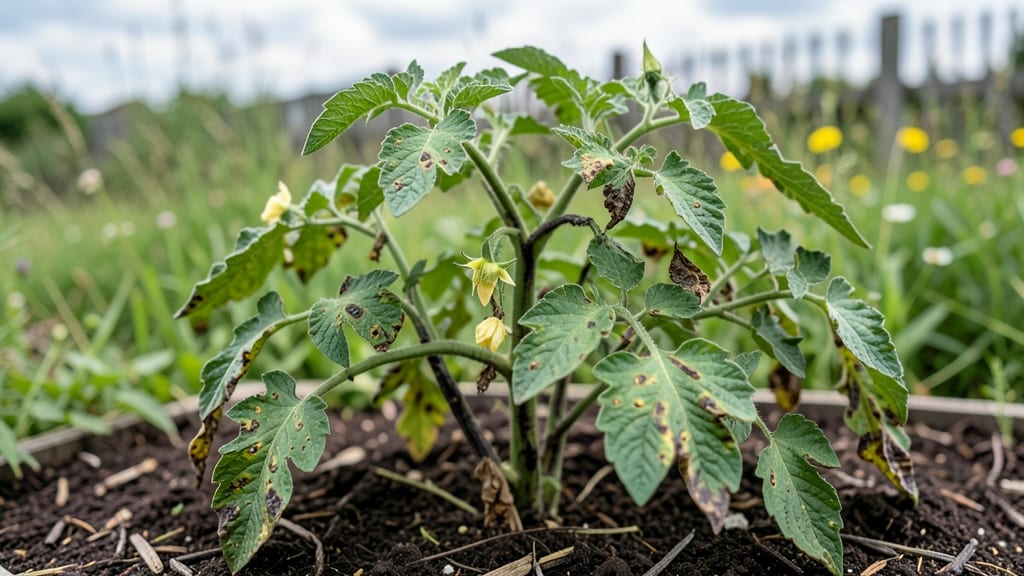
What does tomato plant blight look like? It starts with dark, greasy-looking spots on leaves that spread like a shadow across your plants. 🌿 I’ve seen it turn a thriving vine into a wilting mess in just days—those telltale brown or black patches with yellow halos are the first warning signs. Early blight shows up on lower leaves first, while late blight spreads faster, often with a white, fuzzy mold on stems. The real giveaway? Leaves curl, yellow, and drop faster than you can say "harvest season." Stem lesions appear next, and before you know it, your tomatoes are rotting before they ripen. Confusing it with other issues? Check for powdery mildew (white dust) or aphids (tiny green bugs)—blight’s spots are water-soaked and spreading, not powdery or clustered. Once you spot it, act fast: prune infected leaves, space plants for airflow, and apply copper fungicide or baking soda spray. Prevention is key—rotate crops, mulch, and water at the base to keep foliage dry. The sooner you catch it, the more tomatoes you’ll save.
Early blight and late blight look similar but behave differently. Early blight is slower, starting on older leaves with concentric rings, while late blight moves aggressively, attacking both leaves and fruit with dark, sunken spots.
If your plants look like they’ve been drenched in ink, late blight is likely—and it’s more destructive. The good news? Both respond to the same treatments if caught early. Remove all infected plant debris (don’t compost it!), and consider row covers next season to block spores.
Even experienced gardeners lose battles to blight, but knowing what to watch for means you’ll fight back smarter.
Root Causes Of Tomato Blight
Tomato blight isn’t just random bad luck—it’s the result of specific environmental stressors, pathogens, or even gardening mistakes. Understanding these triggers helps you take targeted action to prevent or manage outbreaks. Let’s break down the most common culprits and why they turn your lush tomato plants into a blighted mess.
Fungal blights like Phytophthora infestans (late blight) and Alternaria solani (early blight) thrive in warm, moist conditions. Here’s how they exploit your garden:
- High Humidity & Rainfall: Fungal spores need water to germinate and spread. 🌧️ Heavy dew, overhead irrigation, or prolonged rain create the perfect breeding ground. Phytophthora spores can even splash from soil to leaves during watering. - Actionable fix: Water at the base of plants in the morning (not at night) and avoid wetting foliage.
Use drip irrigation or soaker hoses.
- Poor Air Circulation: Dense plantings or overcrowded tomatoes trap moisture, giving fungi a foothold. Fungal hyphae (thread-like structures) spread rapidly in stagnant, humid air.
- Actionable fix: Space plants 18–24 inches apart and prune lower leaves to improve airflow. Avoid mulching too close to stems.
- Old or Weak Plants: Stressed tomatoes (from drought, nutrient deficiency, or injury) have weakened cell walls, making them easier targets for fungal penetration.
- Actionable fix: Keep soil consistently moist (not soggy) and fertilize with balanced organic matter (like compost or 10-10-10) to boost plant vigor.
Bacterial blights (Xanthomonas or Pseudomonas) don’t just rot leaves—they can destroy entire plants in days.
These bacteria hitch rides on: - Contaminated Tools or Hands: Knives, pruners, or even your fingers can transfer bacteria from infected plants to healthy ones. 🦠 - Actionable fix: Sterilize tools with 70% isopropyl alcohol or bleach water (1 part bleach to 9 parts water) between uses.
- Wounds or Splashes: Hail, insects, or rough handling create entry points. Bacterial cells multiply in these openings, causing dark, water-soaked lesions.
- Actionable fix: Use row covers to protect plants from hail and avoid overhead watering. Remove and destroy infected plant debris immediately.
- Cool, Wet Weather: Bacteria thrive in temperatures between 60–80°F (15–27°C) with high humidity.
Unlike fungi, they don’t need spores—they’re always lurking in soil or plant residue. - Actionable fix: Rotate crops annually (don’t plant tomatoes in the same spot) and practice crop sanitation by removing all plant debris after harvest.
Not all blight is caused by microbes—sometimes, your tomatoes are just exhausted.
Common stressors include: - Extreme Heat or Cold: Temperatures above 90°F (32°C) or below 50°F (10°C) weaken plants, making them susceptible to secondary infections. 🌡️ - Actionable fix: Use shade cloth in peak summer or row covers in early spring. Mulch with straw to regulate soil temperature.
- Nutrient Imbalances: Too much nitrogen (lush growth but weak structure) or deficiencies in phosphorus/potassium (poor disease resistance) invite blight.
- Actionable fix: Test soil pH (aim for 6.0–6.8) and amend with compost or a balanced fertilizer (like 5-5-5). Avoid over-fertilizing.
- Poor Drainage: Waterlogged soil cuts off oxygen to roots, starving plants and inviting fungal growth. 💦
- Actionable fix: Raise beds or add organic matter (like perlite or compost) to improve drainage. Never let soil stay soggy for more than a day.
Sometimes, well-meaning gardening habits backfire:
- Reusing Infected Compost: Old compost with blighted tomato debris can reintroduce pathogens. ♻️
- Actionable fix: Sterilize compost by heating it to 140°F (60°C) for 30 minutes or use fresh compost from disease-free sources.
- Ignoring Early Signs: Delaying removal of yellowing leaves or spotted foliage gives blight more time to spread.
- Actionable fix: Inspect plants weekly and prune affected areas with sterilized tools. Destroy infected plant parts in the trash (not compost).
- Planting Susceptible Varieties: Some heirloom tomatoes (like ‘Brandywine’) are blight magnets, while hybrids (like ‘Mountain Merit’) are bred for resistance.
- Actionable fix: Choose disease-resistant varieties labeled “V” (for Verticillium wilt) or “F” (for fusarium) if blight is common in your area.
- Slugs & Snails: Their slime trails create wounds where bacteria or fungi can enter. 🐌
- Actionable fix: Use beer traps, diatomaceous earth, or copper barriers to deter them.
- Aphids & Spider Mites: These pests weaken plants by sucking sap, making them prime targets for blight.
- Actionable fix: Spray plants with neem oil or introduce beneficial insects like ladybugs.
💡 Pro Tip: If blight strikes, act fast. Fungal spores can spread in 48 hours, and bacterial infections can wipe out a plant in days. The key is prevention: healthy soil, good airflow, and vigilant care keep your tomatoes blight-free!
How to Fix Blight in Tomatoes
Blight on tomato plants can feel like a nightmare—especially when your garden is full of potential 🍅😬. But don’t panic! With the right approach, you can save your plants and even prevent future outbreaks.
Below, we’ve broken down practical, step-by-step solutions tailored to the most common causes of blight, from fungal infections to environmental stress. Follow these fixes, and your tomatoes will bounce back stronger than ever.
Fungal blight thrives in damp, humid conditions, turning leaves into a sad, spotted mess. Here’s how to stop it in its tracks and protect your plants:
🔥 Remove Infected Plant Parts Immediately
- 👨🍳 Snip or prune any leaves, stems, or fruit showing dark spots, yellowing, or wilting.
- 🗑️ Bag and toss infected debris in the trash (not compost)—fungi can survive and reinfect.
- ⏰ Do this early in the day to let the plant recover before evening moisture sets in.
🌡️ Improve Air Circulation
Fungi love stagnant, humid air. Break up the party with these tweaks:
- 🌿 Space plants 18–24 inches apart (crowding = blight’s best friend).
- 💨 Use fans on low settings near plants to dry leaves faster.
- 🌳 Prune lower leaves to encourage airflow—aim for a "vase shape" with open growth.
💡 Fungicidal Sprays (Natural & Chemical Options)
Preventative sprays are your first line of defense. Try these effective, easy-to-use options:
| Option | How to Use | Best For |
|---|---|---|
| Copper fungicide | Spray every 7–10 days (follow label instructions). | Organic gardens, early blight. |
| Neem oil | Mix 1 tbsp neem oil + 1 tsp mild soap + 1 quart water. Spray at dusk. | Preventative, mild infections. |
| Baking soda spray | 1 tsp baking soda + 1 quart water + a few drops of soap. Spray weekly. | Early-stage blight, budget-friendly. |
| Chlorothalonil | Apply every 5–7 days (follow package rates). | Severe infections, large gardens. |
💡 Pro Tip: Rotate sprays every few weeks to prevent fungus resistance. Always spray undersides of leaves—that’s where spores hide!
🌧️ Adjust Watering Habits
Fungi love moisture. Dry leaves = happy tomatoes.
- 💦 Water at the base (not overhead) using drip irrigation or soaker hoses.
- ⏰ Water early morning so foliage dries by evening.
- 🌱 Mulch heavily (2–3 inches of straw or grass clippings) to keep soil moist without wetting leaves.
Blight isn’t always fungal—sometimes it’s your plant screaming for help. Fix these common stress triggers fast:
🌡️ Heat Stress (Wilting, Scorched Leaves)
- 🌿 Provide shade cloth (30–50% coverage) during peak sun (10 AM–4 PM).
- 💦 Increase watering frequency (but keep it at the base).
- 🌱 Choose heat-tolerant varieties like ‘Solar Fire’ or ‘Heatmaster’ for next season.
💧 Overwatering (Root Rot & Weak Growth)
- 👨🍳 Check soil moisture—stick your finger 1–2 inches deep. Water only if dry.
- 🚫 Drainage is key! Amend heavy clay soil with compost or sand.
- 🌱 Use raised beds if your garden floods easily.
🍃 Nutrient Deficiencies (Yellowing Leaves)
Blight-like symptoms can mimic lack of nitrogen, magnesium, or potassium.
- 💡 Test your soil (kits are cheap and easy).
- 🌱 Feed with compost tea or a balanced fertilizer (10-10-10).
- 🍄 For magnesium deficiency (yellow between veins): Spray with Epsom salt solution (1 tbsp per gallon of water).
Pests like aphids, spider mites, and hornworms weaken plants, making them more susceptible to blight.
- 🕷️ Handpick hornworms (they’re camouflaged—look for green poop!).
- 💦 Blast pests off with water (early morning spray).
- 🌿 Introduce beneficial insects like ladybugs or lacewings.
Once you’ve saved your current crop, set up defenses to keep blight away:
- 🌱 Plant resistant varieties like ‘Defiant PhR,’ ‘Mountain Merit,’ or ‘Celebrity’.
- 🗓️ Rotate crops—don’t plant tomatoes (or nightshades) in the same spot yearly.
- 🌿 Crop rotation schedule:
- Year 1: Tomatoes → Year 2: Beans/peas → Year 3: Squash → Year 4: Back to tomatoes.
- 🌱 Solarize soil in fall: Cover beds with clear plastic for 4–6 weeks to kill fungal spores.
- 🌿 Plant companion crops like basil, marigolds, or onions—they repel pests and improve airflow.
If more than 50% of the plant is infected or the blight spreads despite treatments:
- 🗑️ Remove the entire plant (roots and all) to prevent soil contamination.
- 🌱 Replace with a fast-growing crop like bush beans or lettuce in that spot.
- 💡 Lesson learned: Next year, start with disease-free seedlings and sterilize tools between uses (rinse with rubbing alcohol).
🎯 Bottom Line: Blight is beatable! Act fast, combine prevention + treatment, and your tomato plants will thank you with juicy, healthy fruit all season. 🍅💪 Now go save those tomatoes—your salsa (or pasta sauce) depends on it!
Frequently asked questions
How can I tell if my tomato plant has early blight vs. late blight?
Early blight shows brown, concentric rings on older leaves first, while late blight creates dark, greasy-looking spots that spread rapidly to both leaves and fruit. Late blight also produces a white, fuzzy mold on stems—this is your key difference! Early blight moves slower and rarely attacks fruit.
What should I do if I find blight on my tomato plants?
Act immediately! Remove infected leaves (don’t compost them), space plants for better airflow, and apply copper fungicide or baking soda spray. Water at the base only, and avoid overhead irrigation. For severe cases, consider chlorothalonil—it works fast but follow safety instructions. Prevention is easier than cure!
Can I save tomatoes that already have blight spots?
Only if the spots are small and isolated. Remove the affected fruit immediately and monitor the plant closely. For large, sunken spots (common in late blight), it’s safer to discard them—fungus can spread through the fruit. Always wash harvested tomatoes thoroughly before eating.
Why does blight keep coming back every year in my garden?
Blight spores survive in soil and plant debris! To break the cycle, rotate crops (don’t plant tomatoes in the same spot yearly), sterilize tools between uses, and remove all infected plant material. Solarizing soil in fall (covering beds with plastic for 4-6 weeks) kills lingering spores too. Patience pays off!
Will neem oil stop blight from spreading?
Neem oil helps prevent blight but won’t cure active infections. Mix 1 tablespoon neem oil + 1 teaspoon mild soap + 1 quart water and spray undersides of leaves weekly. For existing blight, combine neem with copper fungicide for better results. Rotate sprays to avoid resistance.