
Planting
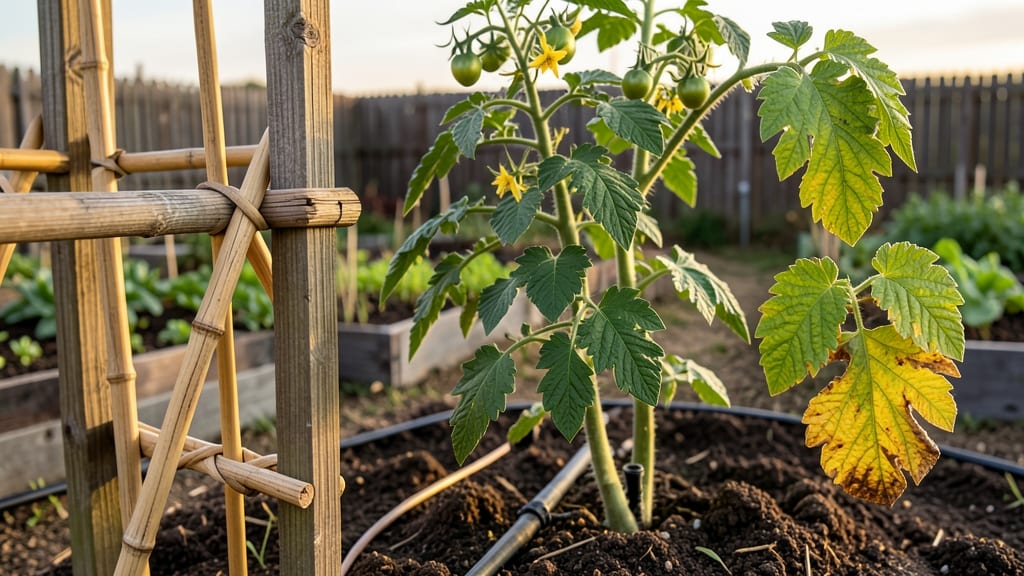
When your tomato plant leaves point up like they're reaching for the sky, it’s not just a weird quirk—it’s a cry for help. 🌱 I’ve seen this happen with my own plants, and the good news is it’s fixable.
This upward curl usually means your tomato is fighting off stress, whether from pests, nutrient issues, or even a sneaky virus like curly top.
The first step is to check for pests like aphids or spider mites lurking on the undersides of leaves. If you spot tiny bugs, a strong spray of water or insecticidal soap can work wonders.
But if the leaves stay stiff and pointed even after pest control, it might be a nutrient imbalance—too much nitrogen or a lack of potassium and phosphorus can cause this too.
For a quick fix, adjust your fertilizer to a balanced 10-10-10 or tomato-specific blend, and water deeply but less often to encourage strong roots. Prune any severely affected leaves to help the plant focus its energy on recovery.
Within a few weeks, you should see those leaves flattening out and your plant bouncing back to its usual lush self.
This works for both container-grown and in-ground tomatoes, and the best part? You’ll spot the difference in just a few days. Let’s get those leaves pointing downward where they belong!
Hidden Stressors Behind Curly Leaves
When your tomato plant’s leaves start pointing upward like tiny, confused flags, it’s rarely a coincidence—it’s a cry for help from the plant itself. 🌱😬 The upward-curling phenomenon, often linked to viral infections like Tomato Curly Top Virus, can also stem from other hidden stressors that disrupt the plant’s cellular balance.
Let’s break down the most common culprits, why they trigger this response, and what’s happening at the microscopic level to cause those leaves to pucker and rise.
If your tomato plant has Tomato Curly Top Virus (TCTV), the leaves pointing upward aren’t just a quirk—they’re a symptom of systemic chaos. Here’s how it works:
- Phloem Blockage: The virus targets the plant’s vascular system, clogging the phloem (the plant’s "veins") with abnormal growths called galls. This disrupts the flow of sugars and nutrients, starving the leaves.
- Hormonal Hijacking: The virus produces proteins that mimic plant hormones like cytokinins, which trigger uncontrolled cell division. This causes leaves to curl upward as they struggle to expand normally.
- Stunted Growth: Infected plants often show dwarfism because the virus redirects energy toward its replication instead of leaf development.
Actionable clue: If the curling is paired with yellowing veins or stunted growth, a viral infection is likely the culprit. Unfortunately, there’s no cure—remove and destroy infected plants immediately to prevent spread.
Water stress—whether from overwatering or drought—can force tomato leaves to twist upward as a survival tactic. Here’s the science:
| Issue | Why Leaves React | What’s Happening Inside |
|---|---|---|
| Underwatering | Leaves curl upward to reduce water loss via transpiration. | The plant’s abscisic acid (ABA) levels spike, triggering stomatal closure and leaf curling. |
| Overwatering | Roots suffocate, starving leaves of oxygen and nutrients. | Lack of ethylene gas (a stress hormone) leads to hypoxia, causing upward curling as cells swell unevenly. |
| Poor Drainage | Waterlogged soil prevents root function, mimicking drought. | Roots release ethylene, which signals the plant to conserve resources by curling leaves. |
Actionable fix: Check soil moisture 1–2 inches deep—it should feel like a wrung-out sponge. If compacted, amend with perlite or compost to improve aeration.
Tomatoes are sun-lovers, but too much direct heat or intense light can scorch leaves from the edges inward, causing them to cup upward. Here’s the breakdown:
- Heat Stress: Temperatures above 90°F (32°C) cause proteins in leaf cells to denature, disrupting photosynthesis. The plant curls leaves to shield delicate tissues.
- Sunburn: Young or hairy leaves (like ‘Solar Fire’ varieties) can develop white or brown patches when exposed to midday sun without acclimation.
- Wind Burn: Strong winds dry out leaf edges, leading to crispy, upward-curled tips.
Actionable solutions:
- ✅ Provide afternoon shade with floating row covers or lightweight shade cloth (30–50%).
- ✅ Mulch heavily to keep roots cool (straw or wood chips work best).
- ✅ Avoid planting tomatoes in full sun without gradual hardening—acclimate seedlings over 7–10 days.
Leaves pointing upward can also signal nutritional distress, whether from deficiencies or excesses. Here’s what’s really going on:
- Potassium Deficiency: Leaves curl upward because potassium regulates stomatal function and cell turgor pressure. Without it, cells lose rigidity.
- Magnesium Deficiency: Causes interveinal chlorosis (yellowing between veins) and upward curling as chlorophyll breaks down.
- Nitrogen Toxicity: Too much nitrogen promotes soft, fast growth, but weakens cell walls, leading to floppy, upward-curled leaves.
- Calcium Deficiency: Leads to blossom end rot in fruits and leaf edges curling upward due to poor cell wall formation.
Diagnostic tip: Test soil pH (ideal: 6.0–6.8)—many nutrients become unavailable outside this range. Amend with:
- 💡 Potassium: Banana peels or greensand
- 💡 Magnesium: Epsom salt (1 tbsp/gallon of water, foliar spray)
- 💡 Calcium: Crushed eggshells or lime
Pro tip: 🌡️ If you suspect nutrient issues, flush the soil with water to remove excess salts, then retest before reapplying fertilizers.
Fixing Upright Tomato Leaves Fast
If your tomato plant’s leaves are pointing skyward like they’re reaching for the clouds, don’t panic—there are practical ways to diagnose and correct the issue. Below are targeted solutions based on the most common causes, from quick fixes to long-term prevention.
Let’s get those leaves back to their lush, horizontal glory!
If soggy soil is the culprit, your first step is to improve drainage and let the roots breathe. Here’s how:
- 🍳 Check the Soil Moisture Stick your finger 1–2 inches into the soil. If it’s damp (not bone-dry, not soggy), hold off on watering. Tomato plants prefer consistent moisture, not a swamp.
- 👨🍳 Repot or Amend the Soil (If Needed) If your plant is in a container, ensure it has drainage holes. For in-ground plants, mix in compost or perlite to loosen heavy soil. A 50/50 blend of potting soil and perlite works wonders for containers.
- ⏰ Water Deeply but Less Often Water thoroughly (until it drains from the bottom) 2–3 times a week, rather than daily shallow sprinkles. Early morning is best—avoid evening watering to prevent fungal issues.
- 🌡️ Monitor for Root Rot If the stems feel mushy or the leaves are yellowing and curling upward, root rot may be setting in. Trim affected roots (if repotting) and treat with a fungicide like copper-based spray.
💡 Pro Tip: Mulch around the base with straw or shredded leaves to retain moisture without suffocating roots. Keep mulch 2–3 inches away from the stem.
Tomato leaves curling upward in hot, dry weather often signal heat stress. Here’s how to cool them down:
- 🔪 Provide Shade Cloth (Temporarily) If temps hit 90°F (32°C)+, drape a 30–50% shade cloth over the plant for a few hours daily. Avoid full shade—tomatoes still need 6–8 hours of sunlight.
- 💦 Increase Watering Frequency (But Smartly) Water early in the morning or late evening to reduce evaporation. Use a drip irrigation system or soaker hose to deliver water directly to the roots, not the leaves.
- 🥗 Boost Humidity Naturally Place a tray of water near the plant or group tomato plants together to create a microclimate. Avoid misting leaves—this can worsen fungal issues.
- ✨ Adjust Fertilizer (Less Is More) Too much nitrogen can stress plants in heat. Switch to a balanced fertilizer (10-10-10 or 5-5-5) and reduce applications to every 3–4 weeks during peak summer.
💡 Pro Tip: If your tomatoes are blossoming but not fruiting in heat, try hand-pollinating flowers with a small brush or gently shaking the plant in the morning.
Pests like spider mites, aphids, or whiteflies can cause leaves to curl upward as they suck sap. Act fast with these steps:
- 🔍 Identify the Culprit Hold a white sheet under the plant and shake it gently. Look for:
- Tiny webs (spider mites)
- Sticky residue (aphids)
- White, waxy bugs (whiteflies)
- 🍳 Natural Sprays for Mild Infestations
- Neem oil spray: Mix 1 tbsp neem oil + 1 tsp mild soap + 1 quart water. Spray undersides of leaves (where pests hide) every 5–7 days.
- Insecticidal soap: Spray directly on pests (test on a small leaf first).
- Water blast: For aphids, spray a strong stream of water to knock them off.
- 👨🍳 Severe Cases? Use Systemic Solutions If pests persist, try:
- Pyrethrin-based sprays (organic, derived from chrysanthemums).
- Beneficial insects: Release ladybugs or lacewings (available at garden centers).
- 🌡️ Prevent Future Infestations
- Rotate crops yearly to avoid building pest populations.
- Remove yellowing leaves (pests love weak spots).
- Use reflective mulch (like aluminum foil) to deter whiteflies.
💡 Pro Tip: Early morning is the best time to treat pests—pests are sluggish then, and the spray has time to dry before heat sets in.
If leaves are curling upward and showing signs of yellowing or stunted growth, your plant might be hungry. Here’s how to fix it:
- 📊 Diagnose the Deficiency
| Symptom | Likely Cause | Quick Fix |
|---|---|---|
| Yellow leaves (lower first) | Nitrogen deficiency | Apply fish emulsion or compost tea |
| Purple stems/leaves | Phosphorus deficiency | Use bone meal or rock phosphate |
| Weak, brittle stems | Potassium deficiency | Add wood ash or banana peel tea |
| Small, curled leaves | Magnesium/calcium issue | Sprinkle Epsom salt (magnesium) or crushed eggshells (calcium) |
- 🍳 DIY Fertilizer Boosts
- Banana peel tea: Steep 2–3 chopped banana peels in water for 3 days, then dilute and water plants.
- Eggshell calcium: Crush eggshells, bake at 200°F for 10 mins to sterilize, then grind into powder and sprinkle around the base.
- ⏰ When to Fertilize
- Avoid fertilizing if the plant is stressed (wilted, diseased, or in extreme heat).
- Side-dress (apply fertilizer to the soil beside roots, not on leaves) every 4–6 weeks during the growing season.
💡 Pro Tip: Over-fertilizing can burn roots. Always water the plant first before applying fertilizer to dilute it.
Once you’ve fixed the issue, take these steps to prevent upward-curling leaves in the future:
- 🌡️ Choose Heat-Tolerant Varieties Opt for tomatoes bred for hot climates, like:
- ‘Solar Fire’
- ‘Heatmaster’
- ‘Celebrity’
- 💦 Mulch Like a Pro Use straw, grass clippings, or wood chips to retain moisture and regulate soil temperature. Avoid plastic mulch—it can overheat roots.
- 🌱 Prune for Airflow Remove suckers (side shoots) and lower leaves to improve airflow and reduce humidity-related stress.
- 🔄 Crop Rotation Avoid planting tomatoes in the same spot yearly. Rotate with legumes (beans, peas) or nightshade-free crops (carrots, lettuce) to prevent soil-borne diseases.
- 🛡️ Start Strong with Healthy Starts Buy disease-resistant seedlings (look for labels like “VFN” for virus
Frequently asked questions
Why are my tomato leaves curling upward but not showing other symptoms?
This could indicate early-stage nutrient imbalance or heat stress. Check soil moisture first—both underwatering and overwatering can cause upward curling. If the soil feels dry, water deeply; if it's soggy, improve drainage with perlite. Also verify if afternoon temperatures exceed 90°F (32°C), which forces leaves to curl as a protective response.
Can I save a tomato plant with curly top virus?
Unfortunately, there's no cure for Tomato Curly Top Virus (TCTV). The upward-pointing leaves are just one symptom—infected plants also show stunted growth and yellowing veins. Remove and destroy the plant immediately to prevent spreading to other crops. For next season, choose disease-resistant varieties (look for "VFN" labels) and use reflective mulch to deter leafhoppers, the virus's vector.
How long does it take for tomato leaves to flatten after fixing the problem?
With proper care, you should see improvement within 3-7 days. For water stress, leaves may recover in 3-5 days once moisture levels stabilize. Nutrient deficiencies take slightly longer (5-7 days) as the plant absorbs corrected nutrients. Heat stress relief shows fastest results—often within 24-48 hours of providing shade and proper watering. Monitor daily for progress.
Will pruning help tomato leaves that are pointing upward?
Pruning can help, but only as part of a broader solution. Remove severely curled leaves to redirect the plant's energy to healthier growth. Focus on pruning lower leaves and suckers to improve airflow, which reduces humidity-related stress. Avoid heavy pruning during heatwaves—stress the plant too much and you'll delay recovery. Combine pruning with proper watering and nutrient adjustments for best results.
Can I use Epsom salt on tomato plants with upward-curling leaves?
Yes! Epsom salt provides magnesium, which helps prevent upward curling caused by deficiencies. Mix 1 tablespoon per gallon of water and spray on leaves (undersides too) every 2 weeks. For soil application, sprinkle 1 tablespoon per plant around the base. This works best when combined with proper watering—magnesium absorbs quickly through leaves but also needs moisture to move through soil. Test soil pH first (6.0-6.8 ideal) as magnesium availability drops in alkaline soils.