
Plants
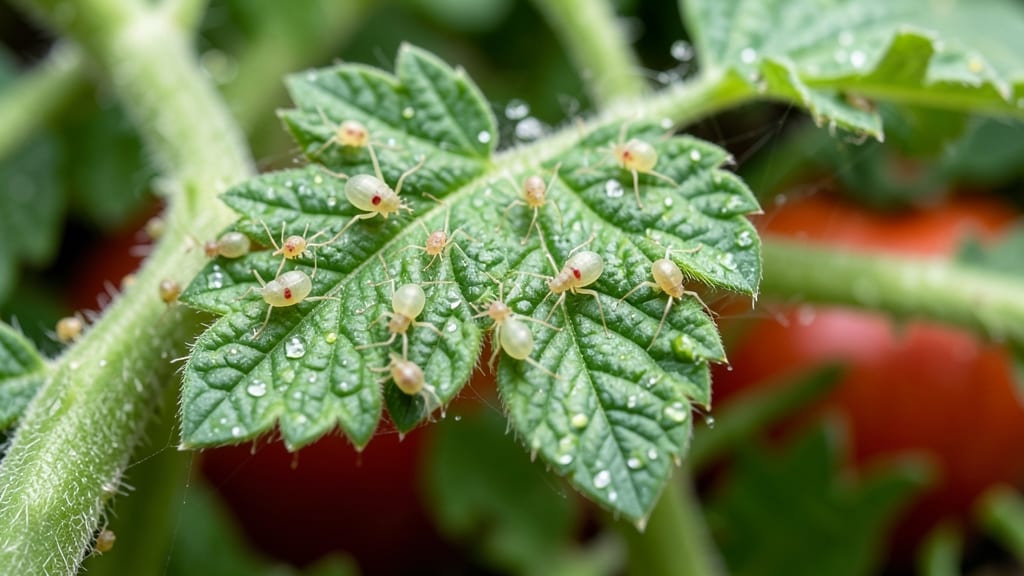
Spider mites on tomato plants turn lush green leaves into dusty yellow skeletons in weeks. 🌿 I’ve seen it happen—tiny red specks multiply until the plant looks like it’s suffering from drought, even when the soil is soaked.
The good news? You can stop this with 3 simple sprays that work faster than store-bought pesticides and won’t harm your tomatoes.
The first step is catching it early—check the undersides of leaves for fine webbing or tiny moving dots. Most gardeners wait too long, thinking it’s just heat stress, but spider mites thrive in dry conditions, especially when you’re watering overhead.
A quick spray of neem oil mixed with water (1 tablespoon per quart) disrupts their life cycle within days, and it’s safe to use right up until harvest.
By the time you finish your second spray—a mix of insecticidal soap and water (2 tablespoons per gallon)—you’ll see new growth pushing out, free of those pesky mites.
The key is consistency: repeat every 5-7 days until the infestation is gone, and keep your plants well-watered to discourage them from returning.
Prevention is just as easy—introduce companion plants like basil or marigolds near your tomatoes, and mist leaves regularly to boost humidity. Once you’ve mastered these sprays, you’ll never panic when you spot those first warning signs again.
Root Causes Of Tomato Plant Infestations
Spider mites may seem like tiny, harmless nuisances, but they’re actually opportunistic pests that thrive under specific conditions. Understanding why these eight-legged invaders target your tomato plants is the first step to stopping them in their tracks.
Below, we break down the key factors—from environmental triggers to plant health—that turn your lush tomatoes into a mite buffet.
Spider mites are not insects—they’re arachnids, and like their spider cousins, they love hot, dry environments. When temperatures climb above 85°F (29°C) and humidity drops below 40%, these pests become hyperactive. Here’s why:
- Rapid reproduction: Heat accelerates their life cycle—females can lay 200 eggs in just 3 weeks under ideal conditions.
- Thinner plant defenses: High heat causes tomato leaves to wilts slightly, making them easier to pierce with their mouthparts (called stylets).
- Dust buildup: Low humidity allows dust and debris to cling to leaves, creating a protective shield for mites from natural predators like ladybugs.
Actionable fix: If your area is prone to heatwaves, mulch around plants to retain soil moisture and mist leaves in the early morning to boost humidity without promoting fungal diseases.
Healthy tomato plants have natural defenses, including a waxy cuticle and sticky honeydew-resistant surfaces. But when plants are stressed, those barriers weaken. Common stressors that attract spider mites include:
| Stressor | How It Helps Mites | Signs to Watch For |
|---|---|---|
| Overcrowding | Reduces air circulation, trapping heat and moisture—ideal for mites. | Yellowing leaves, stunted growth, leaves touching each other. |
| Nutrient Deficiencies (especially potassium or phosphorus) | Weakens cell walls, making it easier for mites to feed. | Brown leaf edges, purple stems, slow fruit development. |
| Pesticide Overuse (chemical sprays) | Kills beneficial insects (like predatory mites) that keep spider mites in check. | Sudden mite outbreaks after spraying, visible webs on undersides. |
| Root Damage (from transplant shock or compaction) | Reduces water/nutrient uptake, causing leaf stress signals that mites detect. | Wilting despite moist soil, crispy leaf edges. |
Actionable fix: Prune plants for better airflow, test soil pH (aim for 6.0–6.8), and rotate crops annually to avoid soil-borne stress. If using pesticides, opt for neem oil or insecticidal soap, which are less harmful to beneficial insects.
Spider mites aren’t usually the first pests to invade—they hitchhike on other insects or blow in on winds. But if their natural enemies are missing, they explode in numbers. Key predators include:
- Ladybugs (and their larvae)—devour 50–100 mites per day.
- Predatory mites (e.g., Phytoseiulus persimilis)—specialized hunters.
- Lacewings—larvae wrap mites in silk cocoons.
- Birds and spiders—accidental but effective control.
When you eliminate these allies—through broad-spectrum pesticides, habitat loss (like removing ground cover), or monoculture gardening—mite populations skyrocket.
Actionable fix: Plant companion crops like marigolds, basil, or dill to attract predators. Avoid synthetic pyrethroids (e.g., permethrin) and instead use kaolin clay or horticultural oil to disrupt mite life cycles without harming helpers.
Spider mites love hiding in sheltered spots where they can spin webs and feed undisturbed. Common trouble zones:
- Undersides of leaves—ideal for web-spinning species like Tetranychus urticae.
- Between crowded stems—traps heat and humidity.
- Greenhouse or polytunnel corners—poor ventilation creates microclimates mites adore.
Mites also prefer smooth-leaved varieties (like Roma tomatoes) over hairy types (like Cherokee Purple), as leaf texture makes it harder for them to grip and feed.
Actionable fix: Stake or trellis tomato plants to space leaves 4–6 inches apart. Use oscillating fans on greenhouses for 30 minutes daily to disrupt mite movement. For outdoor plants, prune lower leaves to improve airflow.
Even organic residues from fertilizers or sprays can alter plant chemistry, making tomatoes more appealing to mites. For example:
- Over-fertilizing with nitrogen leads to soft, sappy leaves—a mite delicacy.
- Synthetic fungicides (like copper-based sprays) can disrupt beneficial microbes in the soil, indirectly stressing plants.
- Petroleum-based oils (even organic ones) can smother beneficial insects if misapplied.
Actionable fix: Use balanced fertilizers (e.g., 10-10-10) and follow label rates. For fungicide needs, try baking soda spray (1 tsp/L water) or milk spray (1:9 milk-to-water ratio) to avoid chemical buildup.
Quick Fixes for Tiny Pests
Spider mites may be small, but their damage can be significant if left unchecked. The good news? You can tackle them effectively with natural, plant-safe solutions—no harsh chemicals required.
Below, we’ll break down the most common causes of spider mite infestations on tomato plants and pair them with easy, actionable fixes to restore your garden’s health.
Spider mites thrive in dry, hot environments where they can spread quickly. If your tomato plants are struggling with drought stress or low humidity, these pests will take advantage.
How to Fix It: ✅ Increase watering frequency – Water deeply twice a week (or daily in extreme heat) to keep soil moist but not soggy. Focus on the roots, not the leaves, to avoid fungal issues. ✅ Mist leaves in the morning – Use a gentle spray (like a fine-mist bottle) to boost humidity around plants. Avoid evening misting to prevent fungal growth. ✅ Use mulch – Apply straw or grass clippings around the base of plants to retain moisture and deter mites.
💡 Pro Tip: If your garden is in a hot, arid climate, consider shade cloth (30-50%) to reduce stress on plants and make conditions less ideal for mites.
Tomatoes left too close together create shady, humid microclimates—perfect breeding grounds for spider mites. Poor airflow also weakens plants, making them more susceptible.
How to Fix It: 🌿 Prune aggressively – Remove yellowing or crowded leaves to improve airflow. Focus on lower branches where mites often hide. 🌿 Space plants 18-24 inches apart – If your garden is dense, transplant some tomatoes to give them room to breathe. 🌿 Train vines upward – Use cages or trellises to elevate plants, reducing leaf-to-leaf contact where mites spread.
🔥 Quick Fix: If pruning feels overwhelming, focus on the worst-affected plants first—even removing just the most infested branches helps.
Some synthetic pesticides (even those labeled "safe") can disrupt natural predators (like ladybugs and lacewings) that keep spider mites in check. If you’ve used chemicals recently, mites may have exploded in numbers.
How to Fix It: 🚫 Stop using synthetic pesticides – Give your garden a 2-4 week break to allow beneficial insects to return. 🌱 Introduce predator insects – Buy or attract ladybugs, lacewings, or predatory mites (available at garden centers). 🌱 Use neem oil or insecticidal soap – These break down spider mite exoskeletons without harming plants or good bugs. Mix 1 tsp neem oil + 1 tsp mild soap in 1 quart of water, spray both sides of leaves, and reapply every 5-7 days.
✨ Bonus: Add dill, fennel, or marigolds nearby—they attract predatory wasps that hunt spider mites.
Tomatoes under stress (from nutrient deficiencies, poor soil, or disease) are more vulnerable to spider mites. A healthy plant is your best defense!
How to Fix It: 🍅 Fertilize with compost or balanced organic fertilizer – Use a 5-5-5 or 10-10-10 ratio to encourage strong growth. Avoid high-nitrogen fertilizers, which promote leafy (but mite-attracting) growth. 💧 Test soil pH – Spider mites prefer slightly acidic to neutral soil (6.0-7.0). If your soil is too alkaline, amend with sulfur or peat moss. 🌱 Rotate crops – If you’ve grown tomatoes in the same spot yearly, move them to prevent soil-borne stress and pest buildup.
🌡️ Heatwave Hack: If your area is experiencing unusually high temps, shade cloth + daily watering can prevent heat stress, making plants less appealing to mites.
If spider mites have taken over, you may need a two-pronged attack: kill the mites fast while restoring plant health.
How to Fix It: 💦 Blast them off with water – Use a strong hose spray (or pressure washer on low setting) to knock mites off leaves. Do this early in the day so plants dry quickly. 🌿 Apply horticultural oil – Mix 1% horticultural oil + water (follow label rates) and spray thoroughly. This smothers mites at all life stages. Reapply every 5-7 days for 2 weeks. 🔄 Replace heavily infested plants – If a tomato plant is more than 50% covered in webbing, it may not recover. Pull and compost it (or burn) to stop the spread.
⚠️ Warning: If using horticultural oil, avoid temperatures above 90°F—it can burn leaves.
Once you’ve kicked spider mites to the curb, prevent their return with these low-effort habits:
🔹 Inspect new plants – Quarantine store-bought or nursery tomatoes for 1-2 weeks before planting. 🔹 Encourage beneficial insects – Plant basil, alyssum, or nasturtiums near tomatoes to attract predatory bugs. 🔹 Clean up debris – Remove fallen leaves, weeds, and plant waste where mites hide over winter. 🔹 Monitor regularly – Check undersides of leaves weekly with a magnifying glass for early signs (tiny yellow dots = mite eggs!).
Final Thought: Spider mites are a nuisance, but with consistent care and natural remedies, you can protect your tomato harvest without chemicals. Act fast—the sooner you intervene, the easier the fix! 🍅💚
Frequently asked questions
How do I know if my tomato plants have spider mites?
Look for tiny yellow or brown speckles on leaves (mite feeding damage), fine webbing on undersides, or tiny moving dots when examining leaves with a magnifying glass. Early signs include leaves that appear dusty or stippled—check the undersides first where mites hide.
Can I use dish soap to kill spider mites on tomatoes?
Yes! Mix 2 tablespoons mild dish soap with 1 gallon water and spray both sides of leaves until wet. Reapply every 5-7 days for 2 weeks. Use early morning to avoid burning leaves in hot sun. Avoid harsh soaps—they can damage plants.
Will neem oil harm my tomato plants if used correctly?
No, when used properly! Dilute 1 tablespoon neem oil + 1 teaspoon mild soap in 1 quart water. Spray evenly on both leaf surfaces and avoid spraying in direct sun or extreme heat. Neem oil is safe for tomatoes but may cause leaf drop if overused.
Why do spider mites keep coming back after treatment?
Mites often return due to dry conditions, hidden eggs, or untreated plants nearby. Boost humidity with morning misting, check all plants in the area, and use horticultural oil (not just soap) to kill eggs. Repeat treatments every 5-7 days until no new mites appear.
Are there spider mite-resistant tomato varieties?
Yes! Look for hairy-leafed varieties like Cherokee Purple or San Marzano—their fuzzy leaves deter mites. Other resistant types include Mountain Merit and Better Boy. While no variety is 100% immune, these are better choices for mite-prone areas.