
How To
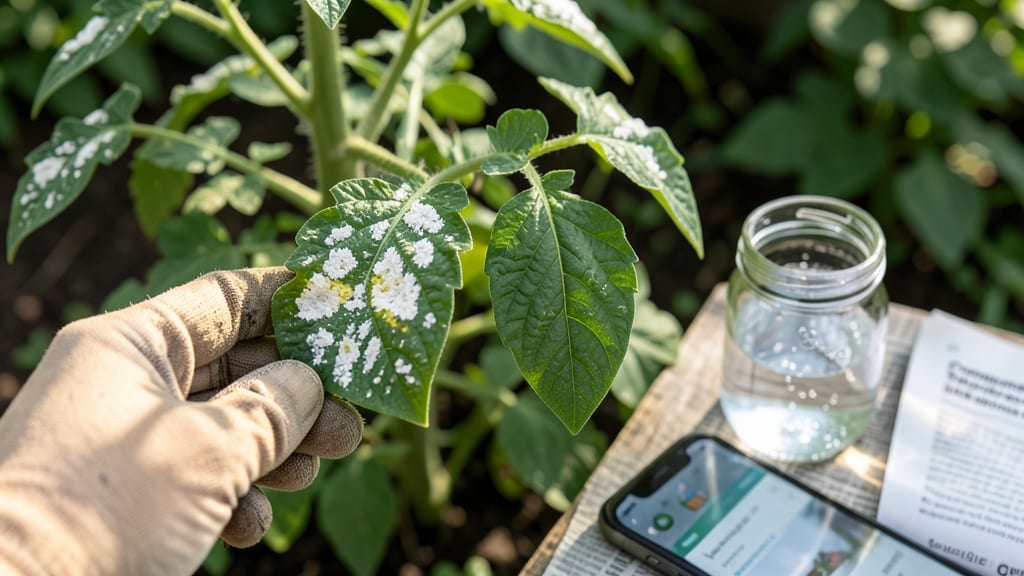
When your tomato leaves have white spots, it’s often a sign of fungal blight or pests—but quick action can save your harvest. 🌱 I’ve battled this issue in my own garden, and the difference between losing plants and keeping them productive comes down to identifying the problem fast and acting decisively.
The spots could signal early blight (dark spots with yellow halos), powdery mildew (a chalky white coating), or even environmental stress like poor airflow. The key is catching it early: prune affected leaves immediately, space plants properly, and avoid overhead watering to prevent spores from spreading.
With the right approach—organic sprays, copper fungicides, or even a simple baking soda mix—you’ll see healthier foliage within 10-14 days. The goal is to stop the spread before it reaches the fruit, so don’t wait until the damage is severe.
This method works for both backyard gardens and container-grown tomatoes. Let’s get those plants back on track before the blight takes hold!
Root Causes Behind White Spots
When your tomato plants develop white spots on their leaves, it’s rarely a coincidence—it’s a cry for help from your garden. Understanding the why behind these spots is the first step toward saving your plants.
Below, we break down the most common culprits, backed by science, so you can diagnose the issue like a pro.
Fungi are the #1 reason for white spots on tomato leaves, and they thrive in warm, humid conditions. Here’s how they strike:
- Powdery Mildew (Erysiphe cichoracearum)
- What it does: This fungus coats leaves in a white, powdery film, disrupting photosynthesis. Infected leaves may yellow and curl.
- Why it happens: Spores spread via wind or water, especially when nights are cool (50–60°F) and days are hot (75–85°F). Poor airflow (like crowded plants) speeds up the infection.
- Tell-tale sign: Spots start on upper leaves and spread downward. The white residue is dry and brushes off easily.
- White Mold (Sclerotinia sclerotiorum)
- What it does: Causes fluffy white growths on stems and leaves, often in damp soil. It can kill entire plants if unchecked.
- Why it happens: Thrives in high humidity (80%+) and wet foliage. Common in overwatered or poorly drained beds.
- Tell-tale sign: Look for white cottony patches and brown, sunken lesions on stems.
- Early Blight (Alternaria solani)
- What it does: Starts with small white or tan spots with concentric rings, later turning brown and crusty.
- Why it happens: The fungus survives in soil and splashes onto leaves via water (rain or overhead irrigation). Warm, wet conditions (75–85°F) accelerate it.
- Tell-tale sign: Spots appear on lower leaves first, often with yellow halos.
Not all white spots are fungal—some are the handiwork of pests that feed on your plants. Here’s how they leave their mark:
- Spider Mites (Tetranychus spp.)
- What they do: These microscopic pests suck sap, causing stippling (tiny white dots) on leaves. Severe infestations lead to webbing.
- Why it happens: They explode in numbers during dry, hot weather (80°F+) and low humidity. Dusty or drought-stressed plants are prime targets.
- Tell-tale sign: Use a magnifying glass—look for fine webbing on undersides of leaves.
- Aphids (Aphis spp.)
- What they do: Cluster on new growth, excreting sticky honeydew that attracts sooty mold (a black fungus), creating a white/grayish film.
- Why it happens: Aphids love tender new leaves and are drawn to plants under stress (over-fertilization, poor drainage).
- Tell-tale sign: Check leaf undersides for tiny green/black bugs and sticky residue.
- Whiteflies (Bemisia tabaci)
- What they do: Adults leave white, waxy trails on leaves while feeding, and their larvae excrete honeydew.
- Why it happens: They thrive in warm, humid conditions and are often spread via contaminated nursery plants.
- Tell-tale sign: Wave a white sheet near the plant—whiteflies will fly up in a cloud.
Sometimes, white spots aren’t biological—they’re your plants’ way of saying, “I’m not happy here!” Here’s how the environment plays a role:
- Chlorosis (Nutrient Deficiency)
- What it looks like: White or pale yellow patches between leaf veins, often due to magnesium or nitrogen deficiency.
- Why it happens: Poor soil drainage, compacted soil, or overwatering flushes out nutrients. Sandy soils lack organic matter, making deficiencies worse.
- Tell-tale sign: Spots are evenly distributed and don’t spread like a fungus.
- Chemical Burn (Over-Fertilization or Spray Drift)
- What it looks like: White, crispy patches or bleached areas, often on edges of leaves.
- Why it happens: Excessive salt-based fertilizers (like synthetic nitrogen) or herbicide drift damage leaf tissue.
- Tell-tale sign: Symptoms appear suddenly after feeding or spraying.
- Hail or Physical Damage
- What it looks like: Irregular white patches where leaf tissue is bruised or torn.
- Why it happens: Hail, strong wind, or even rough handling can rupture cells, causing white discoloration.
- Tell-tale sign: Spots are ragged or uneven, not uniform like fungal spots.
Not sure what’s causing the white spots? Use this table to narrow it down:
| Symptom | Likely Cause | Where It Starts | Time of Year |
|---|---|---|---|
| Dry, powdery white film | Powdery mildew | Upper leaves | Spring/Fall (cool nights) |
| Fluffy white growth on stems | White mold | Lower leaves/stems | Summer (high humidity) |
| Small white dots + webbing | Spider mites | Undersides of leaves | Hot, dry summer |
| Sticky residue + black soot | Aphids/whiteflies | New growth | Year-round (indoor/outdoor) |
| White patches between veins | Nutrient deficiency | Older leaves | Anytime (poor soil) |
Once you’ve identified the cause, you’re ready to fight back with targeted solutions. The key? Act fast—fungi and pests spread faster than you think!
Quick Fixes for White-Spotted Leaves
Seeing white spots on your tomato leaves can be frustrating, but the good news is that most causes have straightforward fixes. Below, we’ve mapped out practical solutions tailored to the root problem—whether it’s fungal infections, pests, or environmental stress.
Follow these steps to restore your plants to health and keep them thriving!
Fungal infections like powdery mildew or blight thrive in humid conditions and can spread rapidly if left unchecked. Act fast with these targeted steps:
🔥 Remove Infected Leaves Immediately
Prune any leaves with white spots (or yellowing/browning edges) using clean, sharp scissors or pruners. Do not compost them—instead, dispose of them in the trash or burn them to prevent reinfection.
🍳 Apply Fungicidal Sprays (Organic or Chemical)
Choose a solution based on your preference:
- Organic options:
- Mix 1 tsp baking soda + 1 quart water + a few drops of dish soap. Spray on leaves (especially undersides) every 7–10 days.
- Use a neem oil spray (1 tbsp neem oil + 1 tsp mild soap + 1 quart water). Shake well and apply in the evening to avoid burning leaves.
- Spray with a copper fungicide (follow label instructions) for severe cases.
- Chemical options:
- Use a chlorothalonil-based fungicide (like Daconil) for blight. Apply when leaves are dry and reapply after rain.
🌡️ Improve Airflow and Reduce Humidity
Fungus loves stagnant, damp air. To prevent recurrence:
- Space plants 18–24 inches apart to allow airflow.
- Water at the base (not overhead) in the morning so leaves dry quickly.
- Use a fan on low near plants to circulate air.
- Avoid mulching too close to the stem to keep the soil dry.
Tiny pests like whiteflies or spider mites can cause white, powdery residue or webbing on leaves. Here’s how to evict them:
👨🍳 Blast Them Off with Water
Use a strong spray of water (from a hose or spray bottle) to knock pests off leaves. Repeat every 2–3 days until they’re gone.
🕷️ Introduce Beneficial Insects
Let nature do the work! Release ladybugs, lacewings, or predatory mites (available at garden centers) to feast on the pests. They’re harmless to your tomatoes.
🎯 Use Insecticidal Soap or Oil
Mix 1 tbsp castile soap or insecticidal soap + 1 quart water and spray directly on pests (avoid flowering plants if bees are active). For stubborn infestations, try horticultural oil (apply in the evening).
✨ Cover Young Plants
Protect seedlings with floating row covers (lightweight fabric) to block pests while allowing sunlight and water through.
White spots from sunburn or fertilizer salt damage are often preventable with simple adjustments:
🌿 Adjust Watering and Fertilizing
If spots appear after heavy rain or over-fertilizing:
- Flush the soil with 1–2 inches of water to leach out excess salts.
- Avoid fertilizing until the plant recovers.
- Use a balanced, slow-release fertilizer (like 10-10-10) sparingly.
🌞 Provide Shade for Young Plants
If your tomatoes are in hot, direct sun:
- Use shade cloth (30–50%) during peak afternoon heat (12–4 PM).
- Plant in a location with partial afternoon shade if your climate is extreme.
Once your tomatoes are healthy, follow these habits to avoid future outbreaks:
- 🌱 Rotate crops: Don’t plant tomatoes (or nightshades like peppers/eggplants) in the same spot yearly to break fungal cycles.
- 🌡️ Monitor humidity: Use a hygrometer to keep levels below 70%. Open windows or use dehumidifiers in greenhouses.
- 🍅 Inspect plants weekly: Catch white spots early before they spread.
- 🌿 Clean your garden tools: Wipe pruners and stakes with rubbing alcohol between uses to prevent fungal hitchhiking.
- 🌱 Choose resistant varieties: Opt for tomato types like ‘Mountain Merit’ (blight-resistant) or ‘Defiant PhR’ for better disease tolerance.
Frequently asked questions
Are white spots on tomato leaves always a sign of disease?
Not always! While fungal infections like powdery mildew or early blight are common causes, white spots can also result from pest damage (spider mites, aphids), nutrient deficiencies (magnesium or nitrogen), or even physical damage (hail, chemical burn). Always check for other symptoms like webbing, sticky residue, or yellowing leaves to narrow down the cause.
Can I still harvest tomatoes if the leaves have white spots?
Yes, but only if the spots are on lower leaves and haven’t reached the fruit. Remove affected foliage immediately to prevent spread. If the disease (like blight) has progressed to the stems or fruit, harvest any ripe tomatoes quickly and destroy the plant to stop further contamination.
How often should I spray my tomato plants to prevent white spots?
For prevention, spray every 7–10 days during high-risk periods (humid weather, crowded plants). Use a baking soda solution (1 tsp baking soda + 1 quart water + dish soap) or neem oil spray. If you see early signs of infection, increase frequency to every 3–5 days until the problem clears. Always spray in the evening to avoid leaf burn.
Will white spots on tomato leaves spread to other plants in my garden?
Fungal spores and pests like spider mites can easily jump to nearby plants, especially in crowded gardens. Isolate infected plants immediately, remove all affected leaves (don’t compost them), and clean your tools with rubbing alcohol. Quarantine new plants for 2 weeks before introducing them to your garden.
What’s the fastest way to tell if white spots are from powdery mildew vs. early blight?
Check these key differences: Powdery mildew appears as a dry, powdery coating on upper leaves and brushes off easily. Early blight starts with small white/tan spots with yellow halos on lower leaves and later turns brown/crusty. Use a magnifying glass to spot these details—early blight often has concentric rings!