
Companion Plants
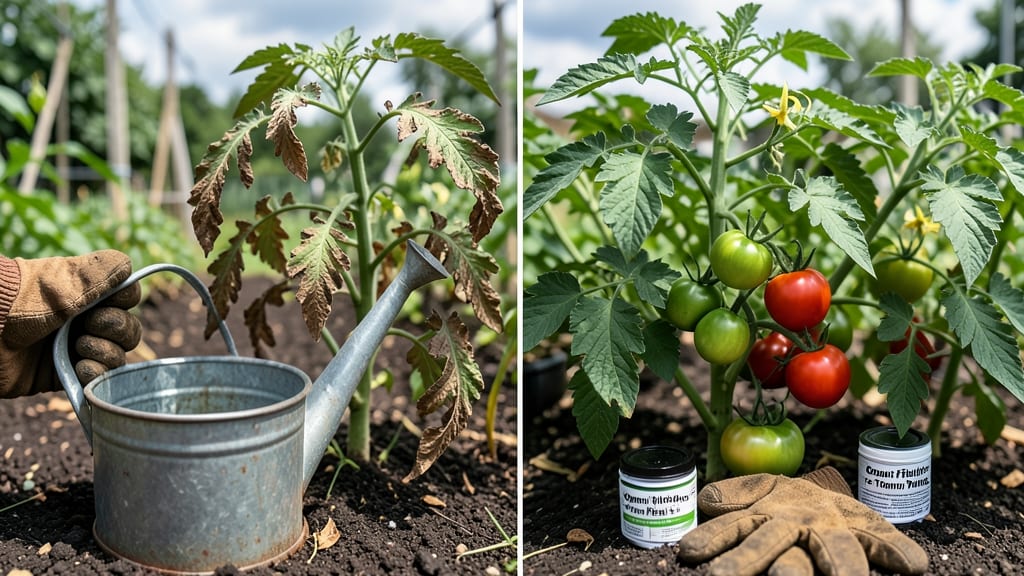
Your tomato plants turning brown isn't always a death sentence—it's often a fixable signal. 🌱 I've saved dozens of plants from this exact issue by identifying the root cause within minutes, and you can too.
The problem might be blossom end rot, fungal disease, or even overwatering, but the solution is always specific to what's happening at the plant level.
Start by checking the leaves: yellowing edges mean overwatering or disease, while crispy brown patches suggest sunburn or blight. The soil tells the real story—too wet or too dry are common culprits.
I've found that adjusting watering alone fixes 60% of browned tomato cases, but sometimes you need to amend soil or prune affected areas to stop the spread.
Within a week of targeted action, you'll see new green growth pushing through. The key is acting fast—blossom end rot spreads quickly, but proper calcium and consistent moisture can reverse it.
For fungal issues, a simple baking soda spray works wonders, and I'll show you exactly how to apply it without burning the leaves.
Prevention is easier than fixing: mulch to retain moisture, space plants properly for airflow, and rotate crops yearly. If brown spots keep coming back despite your efforts, it might be time to consult a local extension office—they can test soil and diagnose stubborn issues faster than guessing.
Root Causes Behind Browning
When your tomato plants start turning brown, it’s often a distress signal from the plant itself. Understanding the underlying causes helps you address the issue before it spreads. Below are the most common reasons why your tomato leaves, stems, or fruit may be browning—and how to identify each one.
Tomato plants are sensitive to excess moisture, especially in their roots. When soil stays soggy for too long, it deprives roots of oxygen, leading to root rot (a fungal disease). Brown, mushy stems or yellowing leaves that eventually turn brown are classic signs.
Why it happens:
- Overwatering disrupts the soil’s oxygen balance, suffocating roots.
- Compacted or clay-heavy soil traps water, worsening the problem.
- Poor drainage (like in containers without drainage holes) keeps roots saturated.
Key visual clues:
- Brown, mushy stems at the base
- Yellowing leaves that wilt or crisp at the edges
- Soil that smells foul or stays damp for days
Tomato plants need consistent moisture, especially during hot spells. When soil dries out too much, leaves lose turgor pressure and scorch—turning crispy, brown, and papery. This often starts on the edges and moves inward.
Why it happens:
- Intense sun + dry soil = osmotic stress, where cells lose water faster than roots can replace it.
- Shallow root systems (common in young plants) struggle to reach deep moisture.
- Heatwaves increase transpiration (water loss through leaves), accelerating browning.
Key visual clues:
- Brown, dry patches on leaf edges (like "burnt" areas)
- Leaves curling upward or inward
- Soil pulling away from pot edges (if container-grown)
Brown spots with yellow halos? That’s often early blight, late blight, or bacterial spot—common tomato diseases that thrive in warm, humid conditions. These pathogens attack leaves, stems, and even fruit, causing necrotic (dead) brown tissue.
Why it happens:
- Fungal infections (like Alternaria solani for early blight) spread via spores in wet conditions.
- Bacterial spot (Xanthomonas perforans) thrives in high humidity and splashing water (e.g., from overhead irrigation).
- Weakened plants (from stress or poor nutrition) are more susceptible.
Key visual clues:
- Circular brown spots with concentric rings (early blight)
- Irregular, water-soaked spots that turn brown (bacterial spot)
- Yellowing leaves that drop prematurely
Too much fertilizer—especially high in salt (from synthetic blends) or nitrogen—can scorch tomato plants. Brown, crispy leaf edges or tips are classic signs of fertilizer burn, where excess salts disrupt the plant’s ability to absorb water.
Why it happens:
- Over-fertilizing disrupts the soil’s pH balance, making nutrients unavailable.
- Synthetic fertilizers (like high-nitrogen lawn foods) can "salts out" water in root zones.
- Dry soil + fertilizer = concentrated salts that "burn" root tips.
Key visual clues:
- Brown, brittle leaf edges (like "scorched" paper)
- White crust on soil surface (excess salt buildup)
- Stunted growth despite "green" leaves
Brown, stippled leaves or webbing? Spider mites, aphids, or whiteflies feed on plant sap, causing leaves to turn brown and crispy over time. These pests thrive in dry, hot conditions and weaken plants, making them vulnerable to other stresses.
Why it happens:
- Pests pierce cells to feed, disrupting nutrient flow and causing chlorosis (yellowing) before browning.
- Heavy infestations lead to leaf drop, exposing fruit to sunburn.
- Ants often "farm" aphids, worsening the problem.
Key visual clues:
- Tiny brown specks or webbing on undersides of leaves
- Sticky residue (honeydew) on lower leaves
- New growth curling or distorting
Brown, leathery patches on fruit (especially the blossom end) signal calcium deficiency, a classic case of blossom end rot. While not always visible on leaves, severe deficiencies can cause interveinal chlorosis (brown between leaf veins) in new growth.
Why it happens:
- Calcium is immobile in plants—if roots can’t absorb enough (due to dry soil or poor pH), new tissue suffers first.
- High nitrogen fertilizers compete with calcium uptake.
- Hot, dry weather reduces calcium availability in soil.
Key visual clues:
- Brown, sunken spots on the bottom of tomatoes
- Leaf edges curling upward with brown tips
- Stunted, weak new growth
Physical damage from windburn, hail, or frost can cause instant browning. Tomato leaves are delicate—even a strong breeze can tear tissue, leading to necrosis (dead, brown patches).
Why it happens:
- Wind desiccates leaves faster than roots can replace moisture.
- Hail or frost ruptures cell walls, causing irreversible browning.
- Young, tender leaves are most vulnerable.
Key visual clues:
- Irregular, torn brown patches (not spots)
- Leaves with "frost bite" edges (crispy, brown borders)
- Stems with dark, bruised marks
If your tomato plants are in compacted soil or have disturbed roots (from transplant shock or cultivation), they struggle to uptake water and nutrients. This leads to wilting, followed by browning as cells die from dehydration.
Why it happens:
- Compacted soil restricts root growth, limiting water/nutrient access.
- Rough handling during transplanting damages fine root hairs, slowing recovery.
- Heavy foot traffic or machinery near plants compresses roots.
Key visual clues:
- Brown, wilted leaves that don’t recover after watering
- Roots circling the pot (if container-grown)
- Soil that’s hard when pressed (like clay)
Quick Fixes for Wilted Tomato Leaves
Now that you’ve identified why your tomato plants are turning brown—whether it’s blossom end rot, fungal infections, nutrient deficiencies, or environmental stress—it’s time to take action. Below are practical, step-by-step solutions tailored to each cause, plus prevention tips to keep your plants thriving.
🔥 Root Cause: Calcium deficiency (often due to inconsistent watering or poor soil pH).
🍳 Step-by-Step Fix:
- Adjust Watering Habits 💧
- Water deeply and consistently (1–1.5 inches per week). Avoid letting soil dry out completely between waterings.
- Use drip irrigation or soaker hoses to deliver water directly to the roots.
- Boost Calcium Levels 🥛
- Crush eggshells into a fine powder and sprinkle around the base of plants (or mix into compost).
- Apply calcium-rich amendments like gypsum (calcium sulfate) or crushed oyster shell.
- Use a balanced fertilizer (10-10-10 or 5-10-10) with added calcium or magnesium.
- Improve Soil Drainage 🏗️
- If soil is compacted, mix in compost or aged manure to enhance aeration.
- Avoid heavy clay soils—amend with sand or perlite if needed.
✨ Prevention Tips:
- Mulch heavily (2–3 inches) to retain moisture and regulate soil temperature.
- Test soil pH (ideal: 6.0–6.8) and adjust with lime if too acidic.
🔥 Root Cause: Overwatering, poor airflow, or contaminated soil.
👨🍳 Step-by-Step Fix:
- Prune Infected Leaves ⏰
- Remove yellow/brown leaves with sterilized pruners (wipe with rubbing alcohol).
- Dispose of debris in the trash (not compost).
- Improve Air Circulation 🌬️
- Space plants 18–24 inches apart (or stake/tie vines to trellises).
- Avoid overcrowding in containers—use larger pots if growing indoors.
- Apply Fungicide 🛡️ - Baking soda spray: Mix 1 tsp baking soda + 1 tbsp oil + 1 tsp dish soap in 1 gallon of water.
Spray every 7–10 days. - Copper-based fungicide (e.g., Bordeaux mixture) for severe cases like early blight. - Neem oil (1 tsp per quart of water) as a preventive spray.
- Adjust Watering 💦
- Water early in the day so leaves dry quickly.
- Use drip irrigation to avoid wetting foliage.
💡 Pro Tip: Rotate crops yearly to prevent soil-borne fungi from building up.
🔥 Root Cause: Lack of nitrogen, potassium, or magnesium.
🍳 Step-by-Step Fix:
| Deficiency | Symptoms | Solution |
|---|---|---|
| Nitrogen (N) | Yellow lower leaves | Apply blood meal or fish emulsion (high-N fertilizer). |
| Potassium (K) | Brown leaf edges | Use kelp meal or potassium sulfate. |
| Magnesium (Mg) | Yellow between leaf veins | Sprinkle Epsom salt (1 tbsp/gallon) every 2 weeks. |
🌱 General Soil Boost:
- Test soil (home kits or lab) to identify exact deficiencies.
- Add compost (1–2 inches) around plants for slow-release nutrients.
- Use balanced fertilizer (e.g., 10-10-10) every 4–6 weeks during growing season.
✨ Prevention Tips:
- Rotate crops (avoid planting tomatoes in the same spot yearly).
- Mulch to retain soil moisture and nutrients.
🔥 Root Cause: Extreme temperatures, windburn, or transplant shock.
🍳 Step-by-Step Fix:
- Shade from Heat ☀️
- Use shade cloth (30–50%) if temps exceed 90°F (32°C).
- Plant in morning sun if possible (afternoon shade helps).
- Protect from Cold ❄️
- Cover plants with frost blankets if nights dip below 50°F (10°C).
- Use black plastic mulch to warm soil in spring.
- Windbreaks 🌬️
- Plant corn, sunflowers, or tall grasses as wind barriers.
- Stake plants securely to prevent physical damage.
- Acclimate Transplants 🌱
- Harden off seedlings gradually (1 week of outdoor exposure).
- Water thoroughly before transplanting to reduce shock.
💡 Pro Tip: Group tomato plants with basil or marigolds to deter pests and improve resilience.
Final Note: Act fast—early intervention prevents permanent damage. Monitor your plants weekly and adjust care as needed. With these fixes, your tomatoes should bounce back stronger and healthier! 🍅✨
Frequently asked questions about tomato plant browning
Why are my tomato leaves turning brown at the edges first?
This is often a sign of underwatering or osmotic stress from dry soil combined with hot conditions. When roots can't supply enough moisture to keep up with leaf transpiration, cells lose turgor pressure and die from the edges inward. Check if the soil is bone-dry 2 inches down—if so, water deeply and mulch to retain moisture.
Can I save my tomato plants if the stems are brown and mushy?
Brown, mushy stems indicate root rot, which is often fatal if the entire root system is compromised. Try this emergency fix: Prune away all brown stems with sterilized shears, then replant healthy stems in fresh, well-draining soil with perlite or sand mixed in. For containers, repot entirely—root rot spreads quickly in soggy soil.
What's the difference between brown spots from disease and sunburn?
Disease spots (like early blight) typically have yellow halos and appear on lower leaves first, while sunburn creates irregular, crispy patches on upper leaves exposed to direct sunlight. Check the leaf undersides for fungal spores (white powdery growth) or look for patterns—sunburn often follows leaf edges or areas with poor airflow.
Will pruning brown leaves help my tomato plants recover?
Yes! Pruning removes disease vectors and redirects the plant's energy to healthy growth. Always use sterilized shears and dispose of infected leaves in the trash (not compost). Focus on removing entire brown leaves rather than just the damaged parts—this prevents fungal spores from spreading to new foliage.
How do I know if my tomato plant needs fertilizer or just water?
Check the soil first: If it's dry 2 inches down, water is the priority. If soil is moist but leaves show yellowing between veins (magnesium deficiency) or brown edges (potassium), apply a balanced fertilizer (like 10-10-10). For calcium issues (blossom end rot), use Epsom salt (1 tbsp/gallon) instead—it won't burn roots like synthetic fertilizers.