
Planting
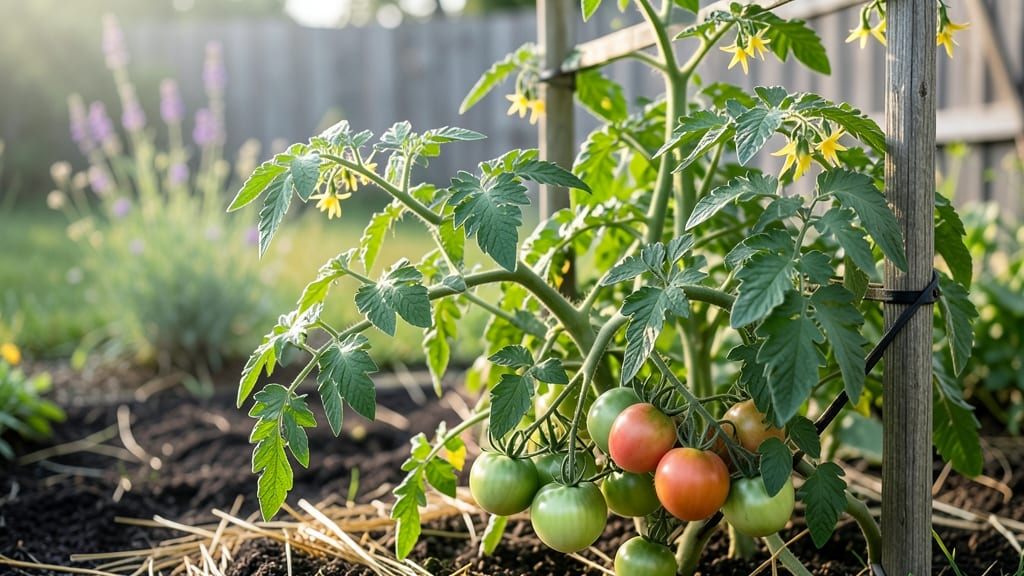
Your tomato flowering plant is the secret to a harvest that rivals the grocery store—if you time it right. 🌱 The difference between a bush full of blossoms and one that just sits there comes down to understanding when those flowers appear, what they need to thrive, and how to give them a helping hand when nature falls short.
First, know that healthy tomato flowers appear about 4-6 weeks after transplanting, but only if your plant gets 6-8 hours of sunlight daily and daytime temps stay above 55°F. Too cool? Flowers drop.
Too hot? They wilt. The sweet spot is 70-85°F—anything above 90°F and you’ll see blossom end rot before fruit sets. Humidity matters too: dry air weakens flowers, while high humidity invites disease.
Here’s the game-changer: hand-pollination for indoor or greenhouse tomatoes. On cloudy days or when flowers aren’t buzzing with bees, gently tap each blossom cluster with a small paintbrush or your fingertip.
Do this in the morning for 3-5 days after flowers open, and you’ll see fruit set within 7-10 days. The result? A vine heavy with tomatoes, not just pretty (but useless) blooms.
Mistakes to avoid: pruning too late in the season, overwatering (which drowns roots), or ignoring pests like aphids that suck the life out of flowers before they can set fruit.
With the right timing and a little attention, your tomato plant won’t just flower—it’ll burst with potential. Let’s get those blossoms turning into harvests!
📚 In This Guide
- What you need
- Instructions
- Tips and common mistakes
- Wrapping up and next steps
What you need
- ● Tomato Seeds or Seedlings: Choose disease-resistant varieties like 'Celebrity' or 'Sungold' for reliability. Quantity: 3–5 plants (or 10–20 seeds if starting from scratch).
- ● High-Quality Potting Mix: A soil-less blend (e.g., 60% peat moss, 30% perlite, 10% compost) for optimal drainage. Quantity: 1–2 bags (1.5–2 cubic feet each).
- ● Grow Containers or Garden Bed: Containers: 5-gallon pots or fabric grow bags (minimum 12" diameter for dwarf varieties, 18"+ for indeterminate types).
- ● Garden Bed: Well-draining soil with a pH of 6.0–6.8; amend with compost if needed.
- ● Balanced Fertilizer: A 10-10-10 or 5-10-10 NPK ratio (or organic options like fish emulsion). Quantity: Enough for 2–3 applications.
- ● Watering Can or Hose with Nozzle: Must-have: A gentle spray nozzle to avoid damaging flowers.
- ● Pruning Shears: Sharp, bypass-style shears (sterilized with rubbing alcohol) for trimming suckers and dead blooms.
- ● Support Stakes or Cages: 6–8 ft tall stakes or cage frames (for indeterminate varieties).
- ○ Grow Lights (Optional): LED lights (12–16 hrs/day) if starting seeds indoors. Spec: Full-spectrum, 2000–3000 lumens.
- ● Plant Ties: Soft fabric or Velcro ties to secure vines to stakes (avoid wire!).
- ○ Calcium Supplement (Optional): Calcium nitrate or crushed eggshells to prevent blossom-end rot.
- ○ Thermometer/Hygrometer (Optional): For monitoring ideal temps (65–85°F) and humidity (40–70%).
- ● Sunlight: 6–8+ hours of direct sunlight daily (south-facing windows or greenhouse if indoors).
- ● Warmth: Soil temps above 60°F (use a seedling heat mat if needed).
- ● Patience: Flowering takes 45–60 days from transplanting (varies by variety!).
How to encourage abundant flowering in tomato plants
Here's the method I use to turn lush tomato foliage into a blooming powerhouse—no guesswork, just proven results.
🌱 Step 1: Start with the Right Variety and Light Exposure
Choose a determinate tomato variety if you want concentrated blooms for harvests, or indeterminate for continuous flowers all season. Place your plants in full sun—at least 6-8 hours daily—because tomatoes need strong light to trigger flowering. I always check my plants' location by marking where shadows fall at midday and moving them if they're shaded for more than 2 hours.
Young plants need bright, indirect light to start, but once they develop 4-6 true leaves, move them to direct sunlight immediately. You'll see the difference in just a few days—the leaves will darken from pale green to a rich, deep green, and the stems will thicken noticeably. This is your signal that the plant is ready to focus energy on flowering.
☀️ Step 2: Optimize Temperature and Fertilizer for Blooms
Tomatoes flower best when daytime temperatures stay between 65-80°F and nights don't drop below 55°F. If your area gets hotter, provide afternoon shade to prevent stress. I use a balanced fertilizer (like 10-10-10) at half-strength when the first flowers appear, then switch to a low-nitrogen, high-phosphorus fertilizer (like 5-10-5) to encourage blooming over leafy growth.
Apply fertilizer every 2-3 weeks during the flowering stage, but stop if you see new flowers forming—too much nitrogen now will delay blooms. Water at the base of the plant in the morning so the foliage stays dry, which prevents fungal diseases that can stress the plant and reduce flowering.
💧 Step 3: Manage Water and Stress for Consistent Blooms
Keep the soil evenly moist but not soggy—tomatoes are sensitive to drought stress, which can cause them to drop flowers before they set fruit. I check soil moisture by sticking my finger 1 inch deep—if it feels dry, water deeply until it runs out the drainage holes. Mulch with 2-3 inches of straw or grass clippings to retain moisture and keep roots cool.
Sudden changes in watering or temperature can shock the plant and cause it to drop flowers. If you notice flowers falling off, reduce watering slightly and move the plant to a more stable environment. You'll know you're doing it right when you see steady clusters of flowers forming without dropping.
✂️ Step 4: Prune Strategically to Boost Flower Production
Prune suckers—those small shoots that grow between the main stem and branches—regularly to redirect the plant's energy toward flowering. Use clean, sharp pruners to cut suckers 1/4 inch above a leaf joint to prevent disease. I prune every 5-7 days during the flowering stage, focusing on removing any leaves that shade the lower stems, as this encourages more sunlight to reach the flowers.
Don't over-prune, though—leave enough leaves to keep the plant photosynthesizing. A good rule is to remove no more than 1/3 of the foliage at a time. You'll see the difference in just a few weeks: stronger stems, more flowers, and a healthier plant overall.
🌿 Step 5: Hand-Pollinate for Maximum Fruit Set
If your tomatoes aren't getting enough natural pollination—common in greenhouses or rainy weather—I gently shake the plants or use a small paintbrush to transfer pollen from one flower to another. Do this early in the morning when flowers are fully open and dew is present, which helps pollen stick better. You'll know it's working when you see tiny green fruits forming within 7-10 days.
Remove any blossom end rot (black spots on fruits) immediately by cutting off affected areas with clean pruners. This keeps the plant from wasting energy on damaged fruit and redirects it toward healthy blooms. With consistent care, you'll have a tomato plant bursting with flowers and fruit all season long.
Tips & tricks for bursting tomato blooms
These simple adjustments will help you maximize your tomato plant's flowering potential without the guesswork.
Light Exposure: In Step 1, when checking for shade, use a small stake and mark the shadow's edge at midday—this gives you a precise reference for the 6-8 hours of full sun your tomatoes need. If your garden gets afternoon shade, consider moving plants to a sunnier spot during those critical 2 hours before sunset when light intensity drops. I've seen plants double their flower production just by addressing this one detail.
Temperature Management: The 65-80°F daytime range in Step 2 is your sweet spot, but don't panic if it gets hotter. When temperatures climb above 80°F, provide afternoon shade using lightweight fabric—this prevents stress without cutting off all light. I also recommend checking soil temperature with a thermometer; if it's above 85°F, water more frequently to cool the roots.
Pruning Precision: When pruning suckers in Step 4, use a magnifying glass to locate the 1/4 inch above the leaf joint—this tiny detail prevents disease entry points. I prune every 5 days during flowering, but adjust to 7 days if you notice new flowers forming rapidly. The key is maintaining that balance between airflow and foliage—think of it like giving your plant a haircut that keeps it looking fresh but not bald!
Hand-Pollination Hack: For Step 5, I've found that using a clean, dry paintbrush works better than shaking plants—it gives you more control and prevents accidental damage to flowers. Do this early morning when dew is present, but avoid rainy days as moisture can wash away pollen. You'll see results within 7-10 days when those tiny green fruits appear, confirming your pollination was successful.
Pro Tips for Tomato Flowering Plant
- These simple adjustments will help you maximize your tomato plant's flowering potential without the guesswork.
- Light Exposure: In Step 1, when checking for shade, use a small stake and mark the shadow's edge at midday—this gives you a precise reference for the 6-8 hours of full sun your tomatoes need.
- Temperature Management: The 65-80°F daytime range in Step 2 is your sweet spot, but don't panic if it gets hotter.
Frequently asked questions
Got questions about getting your tomato flowering plant to bloom like a pro?
You’re in the right place! Here are answers to the most common queries—from timing tricks to troubleshooting tips—so you can grow the juiciest tomatoes this season.
How long does it take for a tomato plant to flower after transplanting?
Most tomato plants take 4–6 weeks to flower after transplanting, depending on the variety and growing conditions. Determinate (bush) types may bloom faster (3–4 weeks), while indeterminate (vining) varieties can take up to 8 weeks. Pro tip: Use a heat mat or grow lights to speed up flowering in cooler climates!
Why aren’t my tomato flowers turning into fruit?
No fruit? Check these common culprits:
- Pollination issues: Hand-pollinate with a paintbrush if bees are scarce (especially in greenhouses).
- Temperature stress: Flowers drop below 55°F or above 90°F? Try shade cloth or mulch.
- Nutrient imbalance: Too much nitrogen = lush leaves, no flowers. Switch to a low-N, high-P (phosphorus) fertilizer.
Can I force tomato plants to flower faster?
Yes! Try these science-backed hacks:
- Warmth boost: Keep soil temps above 60°F (use black plastic mulch or row covers).
- Light therapy: Supplement with 12–14 hours of light daily (LED grow lights work great).
- Stress trick: Slightly reduce watering for 1–2 weeks to trigger flowering (then resume normal care).
What’s the best way to tell if my tomato plant is ready to flower?
Look for these 3 key signs:
- Leaf count: 5–7 true leaves (not seedling leaves).
- Stem thickness: Pencil-sized or thicker.
- Bud formation: Tiny yellow-green flower buds appear in leaf axils (where leaves meet the stem).
Are there tomato varieties that flower faster than others?
For early blooms, try:
- Determinate varieties: ‘Early Girl’ (45–50 days), ‘Stupice’ (50 days), or ‘Patio’ (compact and fast).
- Indeterminate varieties: ‘Solar Fire’ (60 days) or ‘Better Boy’ (65 days) for a longer harvest.
Wrapping up and next steps
Mastering the art of timing for your tomato flowering plant unlocks a bountiful harvest—just imagine the joy of plump, ripe tomatoes straight from your garden! 🌱 By understanding the plant’s needs, from temperature and light to proper fertilization and pruning, you’re well on your way to success.
The key is patience, observation, and a little extra care when those first blooms appear.
Now that you’re armed with knowledge, roll up your sleeves and get growing! Start by selecting the right tomato variety for your climate, then monitor your plant’s progress closely.
Ready to take the next step? Check out our guide on hand-pollination techniques to ensure every blossom turns into a delicious fruit. Happy gardening! 🌿