
Vegetables
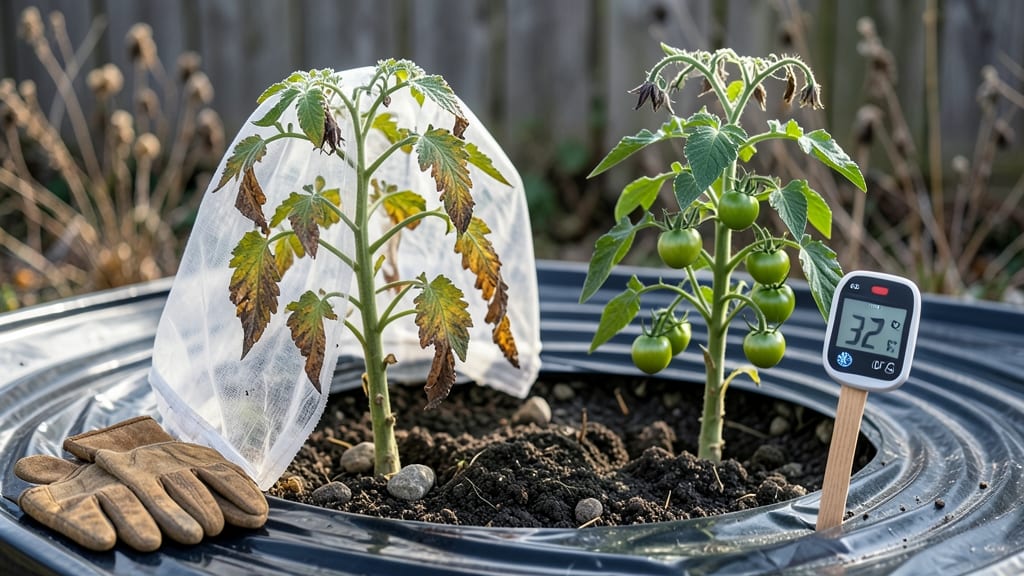
Watching tomato cold damage turn your thriving tomato plants into sad, limp messes overnight is heartbreaking—but with the right moves, you can often bring them back to life. 🌱 I’ve seen frost transform vibrant green leaves into mushy, brown husks, and yet, with quick action, there’s still hope.
The key lies in recognizing the signs, acting fast, and giving your plants the support they need to recover.
First, assess the damage: cold-stressed tomatoes wilt, develop blackened or yellowing leaves, and may even split open from rapid temperature swings. Unless the entire plant is frozen solid, there’s still a chance to revive it.
Start by pruning any severely damaged foliage—this helps the plant redirect energy toward new growth instead of repairing dead tissue.
Reviving your tomatoes means giving them warmth, moisture, and protection. Move potted plants to a sheltered spot or cover them with frost blankets at night. For in-ground plants, pile on mulch or even old blankets to insulate the soil and roots.
Within a week, you’ll often see fresh green shoots pushing through, signaling the plant is fighting back.
For next season, opt for cold-tolerant varieties like ‘Mountain Merit’ or ‘Stupice,’ use row covers for early planting, and consider black plastic mulch to absorb heat.
Prevention is always easier than rescue—but even if frost strikes, these steps can save your harvest and your sanity. Let’s get those plants back in action!
Understanding The Root Causes
When your tomato plants suddenly wilt or develop unsightly spots after a chilly snap, it’s not just bad luck—it’s a response to specific environmental stressors.
Cold damage in tomatoes happens when plants are exposed to temperatures below their ideal growing range (typically 50°F/10°C at night or 55°F/13°C during the day). Below, we break down the key factors that trigger this issue, so you can recognize the signs and take action before it’s too late.
Tomatoes are tropical plants at heart, meaning they thrive in warm, stable conditions. When temperatures plummet overnight or unexpectedly, their cells struggle to adapt quickly. Here’s why it happens:
- Cell Membrane Damage: Cold temperatures cause water inside plant cells to crystallize, rupturing cell walls. This disrupts nutrient and water flow, leading to wilting or blackened leaves.
- Photosynthesis Shutdown: Chilly air slows down or halts photosynthesis, starving the plant of energy. Without enough glucose, growth stalls, and existing leaves may turn yellow or brown.
- Root Freezing: Even if the above-ground plant looks fine, frozen roots can’t absorb water or nutrients. This cuts off the plant’s lifeline, causing rapid decline.
💡 Pro Tip: Monitor your local frost forecasts and use row covers or cloches to shield plants if a cold front is predicted. Tomatoes can’t handle surprises!
While a single cold night might just stress your tomatoes, extended periods below 50°F (10°C) push them into survival mode—and that’s when permanent damage sets in. Here’s the science:
- Enzyme Dysfunction: Cold temperatures denature enzymes (like catalase and superoxide dismutase) that protect cells from oxidative stress. Without these, free radicals build up, causing tissue breakdown.
- Stunted Growth Hormones: Cold slows the production of auxin (a growth hormone), leading to stunted stems, curled leaves, and delayed flowering or fruiting.
- Pathogen Invitation: Weakened plants become prime targets for fungal infections (like early blight) or bacterial spots, which thrive in damp, cold conditions.
🔥 Key Insight: If your tomatoes are exposed to cold for 3+ days, even recovery efforts may fail. Act fast to protect them!
Cold damage isn’t just about air temperature—soil conditions play a huge role. When soil stays too wet or compacted in cold weather, it exacerbates the problem:
- Waterlogged Roots: Cold, soggy soil cuts off oxygen to roots, leading to anaerobic conditions (a lack of oxygen). Roots suffocate, turning black or mushy, and can’t absorb water even if it’s available.
- Nutrient Lockout: Cold soil slows microbial activity, reducing the availability of nitrogen, phosphorus, and potassium—nutrients tomatoes need to bounce back.
- Heat Loss Acceleration: Moist soil conducts cold more efficiently, pulling heat away from roots faster than dry soil.
🌡️ Action Step: Test your soil’s drainage by digging a hole—if water pools after 6 hours, amend with compost or sand to improve aeration before cold snaps.
Not all tomatoes handle cold equally. Young plants and cold-sensitive varieties are especially vulnerable:
- Lack of Hardiness: Hybrid varieties like ‘Celebrity’ or ‘Better Boy’ are bred for heat and may bolt (flower prematurely) or die back if exposed to cold. Heirlooms like ‘Cherokee Purple’ are slightly more tolerant but still suffer.
- Small Root Systems: Seedlings and young plants have underdeveloped roots, making them 3x more susceptible to cold stress than mature plants with deep root networks.
- Transplant Shock: If you moved plants too early in the season (before soil warmed to 60°F/15°C), their roots are already struggling to establish, weakening their cold resistance.
✨ Smart Choice: Opt for cold-tolerant varieties like ‘Solar Fire’ or ‘Mountain Merit’ if you garden in cooler climates. Start seeds indoors and harden them off gradually!
Now that you know why cold damage strikes, the next step is learning how to diagnose the damage and revive your plants. Stay tuned!
Reviving and Preventing Cold Stress in Tomatoes
Cold-damaged tomatoes can still bounce back with the right care—here’s how to nurse them back to health and keep future harvests safe from chilly setbacks.
1. 🔥 Assess the Damage First
Before jumping into fixes, check how badly your tomatoes are affected:
- Mild frostbite (light discoloration, wilting): Plants may recover with warmth and care.
- Moderate damage (blackened leaves, soft stems): Prune affected areas and monitor closely.
- Severe damage (crispy leaves, mushy fruit): Sadly, these plants may not survive—but save seeds if possible!
> 💡 Pro Tip: If roots are still intact (dig gently to check), the plant has a better chance of recovery.
2. 🌡️ Gradually Warm Them Up Sudden heat shocks can stress plants further.
Instead: - Move pots indoors or to a sheltered, sunny spot (like a greenhouse or under a cloche). - If outdoors, cover plants with frost blankets or row covers during the day and remove them at night to prevent overheating. - Avoid direct sunlight for 24–48 hours—let them acclimate slowly.
3. 👨🍳 Prune and Protect Wounded Areas
- Trim damaged leaves and stems with clean scissors (sterilize with rubbing alcohol).
- Remove blighted fruit—they won’t recover and can attract pests.
- Apply a copper fungicide spray (like Bordeaux mixture) to prevent secondary infections from open wounds.
> ✨ Bonus: Snip back to a healthy leaf or stem node—this encourages new growth.
4. 💧 Hydrate and Fertilize Gently
Cold-stressed plants lose moisture and nutrients. Help them recover with: - Water deeply but infrequently (overwatering can drown weak roots).
Aim for 1–1.5 inches per week. - Use a balanced fertilizer (10-10-10 or compost tea) 2 weeks after pruning to rebuild strength. - Avoid high-nitrogen feeds—they promote leafy growth over fruit recovery.
5. 🛡️ Shield from Future Cold Snaps Prevention is key!
Adjust your growing strategy to avoid repeat damage: - Choose cold-tolerant varieties like ‘Siberian’ or ‘Stupice’ if you live in a short season. - Extend the season with row covers, cold frames, or black plastic mulch (which warms soil). - Hardening off seedlings gradually before transplanting helps them withstand temperature swings.
| Risk | Solution | When to Do It |
|---|---|---|
| Early frost | Use row covers or grow in containers to move indoors | Late summer/early fall |
| Cold soil | Mulch with straw or black plastic 2+ weeks before last frost | Late summer |
| Wind chill | Plant near windbreaks (fences, hedges) | Before transplanting |
| Overnight dips | Use cloches or low tunnels | During frost-prone evenings |
> 🎯 Gold Standard: Monitor local frost dates and adjust planting schedules accordingly.
If your tomato plants are completely blackened, mushy, or smell rotten, they’re beyond saving.
But don’t waste the season! - Save seeds from healthy fruit (if any) for next year. - Replace plants with fast-maturing varieties (like ‘Early Girl’ or ‘Cherry Tomatoes’) if the season allows. - Focus on companion plants (basil, marigolds) to deter pests and improve soil for future plantings.
Cold damage doesn’t mean the end of your tomato dreams—with quick action and smart prevention, you’ll be back to harvesting juicy, vine-ripened tomatoes in no time! 🍅🔥
Frequently asked questions
What are the first signs that my tomato plants have suffered cold damage?
Look for wilting leaves, blackened or yellowing foliage, and soft, mushy stems—these are classic symptoms. If the damage is just on the leaves but the stems feel firm, your plants may still recover. However, if the entire plant feels limp or the stems are hollow when cut, it's likely too late.
Can I save tomato plants that have been frozen solid?
Unfortunately, if your tomato plants are completely frozen solid (crispy leaves, blackened stems, or a mushy center), they're beyond saving. However, if only the leaves are frozen but the roots and stems are still firm, you can try pruning back the damaged parts and providing warmth to encourage regrowth.
How do I protect my tomato plants from cold damage in the future?
Start by choosing cold-tolerant varieties like 'Mountain Merit' or 'Siberian.' Use row covers or frost blankets during cold snaps, and consider black plastic mulch to warm the soil. For potted plants, move them indoors or to a sheltered spot before temperatures drop below 50°F (10°C).
Will my tomato plants recover if they’ve already produced fruit?
Cold damage can still affect existing fruit, causing blossom end rot or cracked tomatoes. If the fruit is already set, focus on protecting the plant itself—prune damaged leaves, fertilize lightly, and shield it from further cold. However, new growth may be stunted, so expect a smaller harvest than usual.
Can I use a hairdryer to warm up cold-damaged tomato plants?
While it might seem like a quick fix, using a hairdryer can actually shock the plant and cause more damage. Instead, provide gradual warmth by moving plants to a sheltered, sunny spot or covering them with frost blankets. Let them acclimate naturally over 24-48 hours for the best results.