
How To
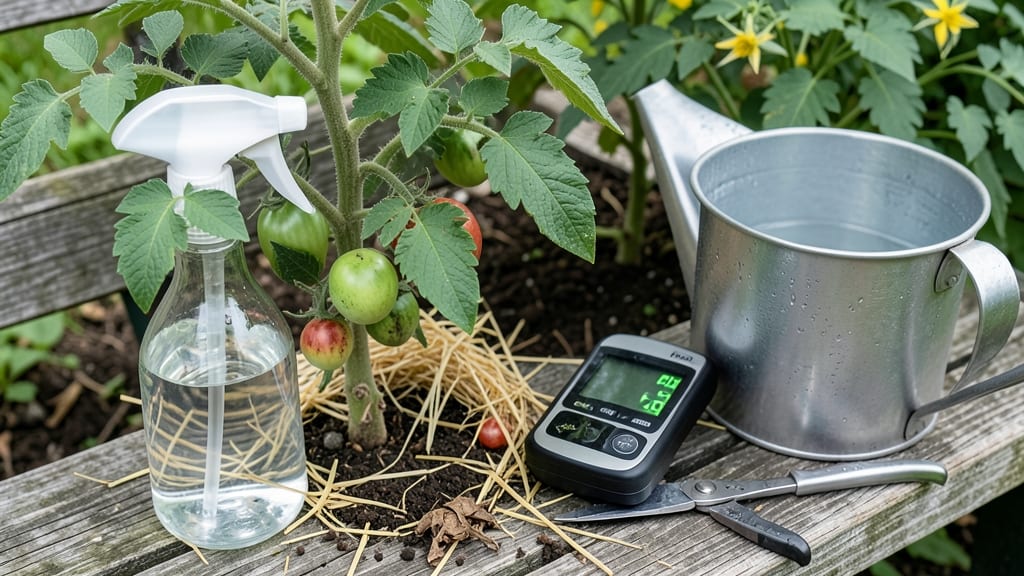
Your tomato blossom rot remedy starts with this: half those blossoms dropping before they ripen isn’t just a watering issue—it’s a calcium crisis in disguise. 🌱 That classic sign of blossom rot isn’t just about watering; it’s a calcium crisis hiding in plain sight.
I’ve saved dozens of tomato plants from this silent thief by fixing the root cause in under 10 minutes, and you can too. The problem starts when fast-growing vines outpace calcium uptake, or when dry spells stress roots.
You’ll spot it as small, dried blossom ends or misshapen fruit—before you even notice the rot. The fix isn’t just about spraying calcium; it’s about balancing what your plants already have in the soil. Within days of my three-step calcium boost, new blossoms stay put and fruit swells evenly.
No more wasted energy on dropped flowers, just steady progress toward that heirloom harvest you’ve been dreaming of. The secret? A little prevention goes a long way. First, we’ll tackle the immediate fix—calcium supplements that work fast.
Then we’ll dig into why your soil might be starving your tomatoes, and how to keep this from happening again next season. Think of it as a tomato emergency kit: fast relief plus long-term protection.
This works for all tomato varieties, whether you’re growing in raised beds, containers, or straight in the ground. The same principles apply to peppers and eggplants too—once you spot the pattern, you’ll catch it early every time. No more guessing whether your plants are thirsty or hungry.
By the end, you’ll recognize the warning signs before they become a problem, and your tomatoes will reward you with full, healthy fruit from first set to last harvest.
The Hidden Causes Behind Blossom End Rot
If your tomatoes are developing those unsightly dark, sunken spots at the blossom end, you’re not alone—this frustrating issue, called blossom end rot, is a common but preventable problem. But why does it happen in the first place?
The answer lies in a mix of environmental stress, nutrient imbalances, and even your soil’s hidden secrets. Let’s break down the science behind this tomato trouble so you can stop it before it starts.
Blossom end rot is primarily caused by a calcium deficiency in the developing fruit. But here’s the catch: calcium isn’t just about how much is in your soil—it’s about how well your tomato plants can absorb and transport it to where it’s needed most.
Calcium is essential for cell wall structure in the fruit, and when the blossom end (the part farthest from the plant’s vascular system) doesn’t get enough, the cells weaken and collapse, leading to those telltale dark lesions.
Why does this happen?
- Rapid Fruit Growth: When tomatoes grow too quickly—often due to excess nitrogen or inconsistent watering—they outpace the plant’s ability to deliver calcium. The blossom end, being the last to receive nutrients, suffers first.
- Poor Root Uptake: Even if your soil has calcium, factors like compacted soil, high salinity, or cool temperatures can block the roots from absorbing it efficiently.
- pH Imbalances: Soil that’s too acidic (pH below 6.0) or too alkaline (pH above 7.5) can lock out calcium, making it unavailable to the plant.
💡 Pro Tip: Test your soil’s pH and calcium levels before planting. Aim for a pH of 6.0–6.8 and supplement with gypsum (calcium sulfate) or crushed eggshells if needed.
Water is the lifeblood of your tomato plants, but inconsistent or improper watering is a major trigger for blossom end rot. Here’s how it goes wrong:
- Fluctuating Moisture Levels: When soil dries out and then gets soaked again, the sudden influx of water disrupts calcium uptake. The roots can’t keep up with the demand, and the blossom end pays the price.
- Shallow Root Systems: Young tomato plants or those in container gardens have limited root access to water and nutrients. Without deep, consistent moisture, calcium delivery stalls.
- Overhead Watering: Wetting the leaves (especially at night) can lead to fungal issues and stress the plant, indirectly contributing to nutrient transport problems.
🌡️ Key Insight: Tomatoes need 1–1.5 inches of water per week, delivered deeply and consistently. Use drip irrigation or soaker hoses to keep roots hydrated without stressing the plant.
Tomatoes are sensitive to extreme conditions, and sudden changes can throw their nutrient balance off-kilter. Here’s how environment plays a role:
- Heat Stress: During hot, dry spells, the soil surface dries out quickly, creating a barrier that prevents calcium from reaching the roots. Even if the plant looks healthy above ground, the roots may be struggling.
- Cold Snaps or Frost: Chilly nights can slow down root activity, reducing the plant’s ability to absorb calcium. This is especially common in spring or fall plantings.
- Transplant Shock: Moving young tomato plants—whether from a nursery or your own seedlings—can disrupt their root systems temporarily, leading to a calcium deficit in new fruit.
✨ Prevention Tip: Use mulch (straw or grass clippings) to regulate soil temperature and moisture. For container growers, move pots to a shady spot during heatwaves to reduce stress.
While calcium is the star of this show, other nutrient imbalances can sabotage its delivery. Here’s what to watch for:
- Excess Nitrogen: Lush, green foliage is great, but too much nitrogen (from fertilizers or compost) speeds up growth at the expense of calcium uptake. The plant prioritizes leaves over fruit, leaving the blossom end vulnerable.
- Low Magnesium or Potassium: These nutrients work alongside calcium. A deficiency in magnesium (common in sandy soils) or potassium (essential for water regulation) can indirectly cause rot by weakening the plant’s overall health.
- Over-Fertilizing: Applying too much fertilizer—especially high-phosphorus blends—can burn roots, reducing their ability to absorb calcium.
📊 Soil Test Savvy: Before fertilizing, test your soil for NPK (nitrogen, phosphorus, potassium) and calcium/magnesium levels. Balance your feed with a low-nitrogen, high-calcium fertilizer (like 5-10-10) if needed.
Now that you know the real culprits behind blossom end rot, you’re one step closer to fixing it. The good news? With the right adjustments—whether it’s tweaking your watering routine, amending your soil, or shielding your plants from stress—you can save your tomatoes and enjoy a bountiful harvest.
Stay tuned for our next section on quick fixes and long-term remedies!
Fixing Tomato Blossom Rot Naturally
Tomato blossom rot can feel like a frustrating roadblock, but the good news is that most causes have simple, effective fixes—especially when you act fast. Below, we’ll break down practical solutions for each root cause, from quick remedies to long-term prevention.
Whether your plants are struggling due to calcium deficiency, watering woes, or environmental stress, these steps will help you save your tomatoes and boost future harvests.
If your tomatoes are showing classic blossom rot symptoms (black, sunken spots on fruit), calcium is likely the culprit. Here’s how to give your plants a quick calcium boost:
🍳 Immediate Fix: Use Calcium-Rich Sprays or Soaks
- Epsom salt or calcium nitrate spray: Mix 1 tablespoon of Epsom salt (magnesium sulfate) or 1 teaspoon of calcium nitrate in 1 gallon of water.
Spray the leaves and stems (especially the undersides) every 3–4 days for 2 weeks. This helps calcium absorb faster. - Milk or buttermilk soak: Pour 1 cup of milk or buttermilk into the soil around the base of the plant.
The lactic acid helps break down calcium, making it available to roots. Repeat weekly for 3–4 weeks. - Crushed eggshells: Grind 1 cup of dried eggshells into a fine powder, then mix into the top 2 inches of soil.
Eggshells are 25% calcium carbonate—perfect for a slow-release fix. Water well after applying.
👨🍳 Long-Term Soil Fix: Amend Your Soil
- Add garden lime (calcium carbonate): Work 1–2 pounds of pelleted lime into the soil per 100 square feet before planting.
For existing plants, apply ½ pound per plant and water deeply. - Compost with calcium sources: Mix in well-aged compost blended with crushed oyster shells, bone meal, or wood ash (use sparingly—too much ash can alter pH). - Use calcium-rich fertilizers: Switch to a balanced fertilizer with calcium, like 5-5-5 or 10-10-10, or a tomato-specific feed with added calcium.
✨ Pro Tip: Test your soil’s pH first! Blossom rot thrives in acidic soil (pH < 6.0). Aim for a pH of 6.2–6.8—lime helps here too.
Uneven watering or drought stress can trigger blossom rot. Here’s how to keep your tomatoes hydrated the right way:
🔪 Adjust Your Watering Routine
- Water deeply but infrequently: Instead of light daily sprinkles, give plants 1–2 inches of water per week, delivered 2–3 times per week.
This encourages deep root growth. - Morning watering only: Water early in the day (6–9 AM) to let foliage dry before evening.
Wet leaves at night invite fungal diseases like early blight. - Drip irrigation or soaker hoses: These deliver water directly to the soil, reducing evaporation and splash (which can spread rot spores).
🌡️ Beat the Heat: Mulch Like a Pro
- Apply 2–3 inches of mulch (straw, grass clippings, or shredded leaves) around plants to retain moisture and cool roots.
- Avoid wetting leaves: If overhead watering is unavoidable, use a nozzle with a rain shield to direct water to the base.
💡 Quick Fix: If you’ve been underwatering, soak the soil thoroughly and watch for wilting leaves. Recover within 24 hours—if not, check for root rot or pests.
Heatwaves, cold snaps, or poor airflow can weaken tomatoes, making them susceptible to rot. Here’s how to protect them:
🌿 Create a Stress-Free Growing Zone
- Shade cloth for hot days: If temps hit above 90°F (32°C), drape 30–50% shade cloth over plants for 2–4 hours in the afternoon.
- Windbreaks: Plant tall sunflowers or corn nearby to block harsh winds, which dry out soil and stress plants.
- Evening watering in extreme heat: If temps drop sharply at night, water lightly in the evening to prevent thermal shock (sudden temperature swings).
🎯 Prevent Fungal Infections
- Prune for airflow: Remove suckers and lower leaves to improve circulation.
Aim for a V-shaped plant with open space between branches. - Copper fungicide spray: If you spot black spots or mold, spray with a copper-based fungicide (like Bordeaux mixture) every 10–14 days as a preventative.
✨ Pro Tip: Companion planting helps! Grow basil, marigolds, or onions nearby—they repel pests and improve soil health, reducing stress.
Check off these easy habits to protect your tomatoes long-term:
| Task | How Often | Why It Works |
|---|---|---|
| Test soil pH | Before planting | Ensures calcium is available |
| Add lime/compost | Spring & fall | Boosts calcium and improves soil structure |
| Mulch plants | At planting | Retains moisture and cools roots |
| Water deeply | 2–3x/week | Encourages strong root systems |
| Prune for airflow | Weekly (as needed) | Reduces humidity and fungal risk |
| Use calcium sprays | Every 3–4 days (if deficient) | Quick fix for existing issues |
Final Thought: Blossom rot is 90% preventable with consistent care. Start with calcium-rich amendments, smart watering, and stress reduction, and you’ll see healthier fruits in no time! 🍅✨
Frequently asked questions
Can I save tomatoes already showing blossom rot?
Unfortunately, once the dark spots appear, those fruits won't recover. However, you can remove the affected fruit to redirect the plant's energy to healthy blossoms. Focus on preventing new cases by applying calcium treatments immediately to remaining blossoms.
How often should I apply calcium treatments?
For quick fixes, spray calcium solutions (like Epsom salt mix) every 3-4 days for 2 weeks. For soil amendments, work crushed eggshells or lime into the soil once per season (spring or fall). Consistency matters more than frequency!
Will compost alone fix blossom rot?
Not always—standard compost may lack sufficient calcium. For best results, mix compost with calcium-rich amendments like crushed eggshells or gypsum. A soil test reveals if your compost needs extra calcium supplementation.
Can container-grown tomatoes get blossom rot?
Containers are actually riskier because roots dry out faster. Use self-watering pots and add extra calcium (like 1 tbsp Epsom salt per gallon of water weekly). Mulch heavily to maintain moisture consistency.
Is blossom rot contagious between plants?
No, it's not contagious—but poor watering practices can spread fungal issues that worsen rot. Always water at the base (never overhead) and remove infected fruit promptly to prevent secondary problems like early blight.