
Plants
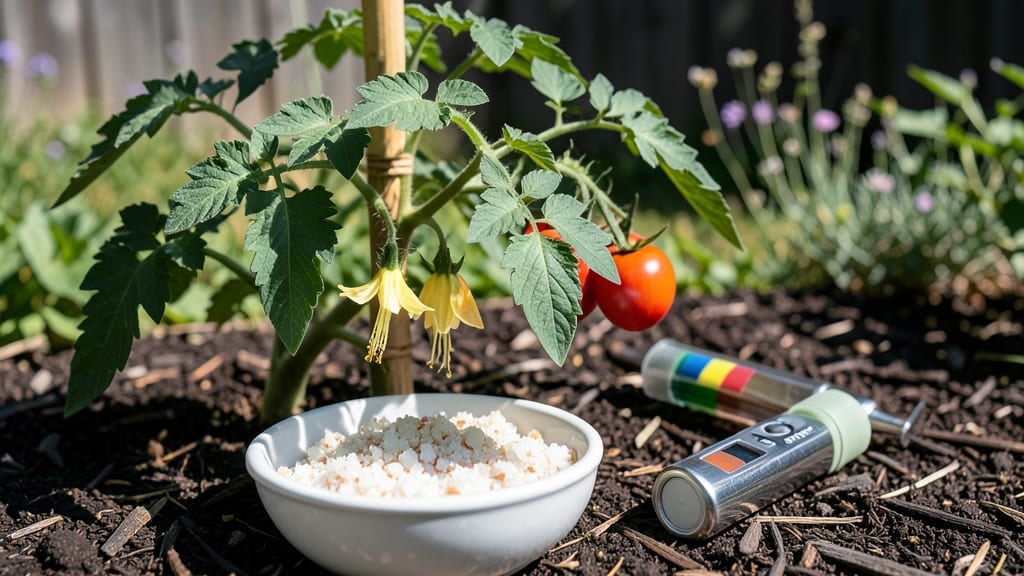
Supplementing your tomato plants 🍅 with calcium is the secret weapon against blossom end rot and weak stems — and it’s easier than you’d think.
Blossom end rot and weak stems in your tomato plants? Calcium deficiency could be the culprit—and the fix might be simpler (and more effective) than you think. That blackened bottom on your fruit or the floppy vines aren’t just bad luck; they’re a cry for help from your plants.
Calcium isn’t just another nutrient—it’s the glue that holds your tomato’s cells together, especially when fruit is forming. Without enough, your plants struggle to develop strong cell walls, leading to those telltale signs of deficiency. But here’s the good news: you don’t need fancy products to fix it.
In this guide, I’ll show you how to spot calcium deficiency early, the best organic supplements to use (including a kitchen trick you’re probably ignoring), and exactly how to apply them for maximum results. No guesswork, just effective, no-fail solutions.
How to identify calcium deficiency in tomato plants and what it really means
If your tomato plants are showing signs of blossom end rot or weak stems, calcium deficiency might be the root cause. This essential mineral plays a crucial role in cell wall integrity and fruit development, making it vital for healthy tomato growth.
Without enough calcium, your plants struggle to form strong structures, leading to familiar problems like rotting fruit and stunted growth.
Calcium deficiency often starts subtly, with young leaves curling at the edges or new growth appearing weak. As the problem worsens, you’ll notice blossom end rot—a telltale sign where the bottom of tomatoes turns brown and mushy.
This isn’t just cosmetic; it means your plants are starving for calcium, and the damage can spread quickly if left unchecked.
But here’s the thing: calcium deficiency isn’t always about a lack of calcium in the soil. It often comes down to poor absorption caused by pH imbalances, overwatering, or nutrient competition.
For example, if your soil is too acidic or too alkaline, your tomato plants may struggle to take up calcium even if it’s present. Similarly, inconsistent watering can disrupt calcium movement within the plant.
Understanding the visual symptoms of calcium deficiency is your first step toward fixing the problem. Let’s break down the key signs and what they really mean for your tomato plants’ health.
⚠️ callout warning ⚠️
Adding calcium supplements like crushed eggshells or gypsum won’t solve the problem overnight. For best results, combine supplements with soil pH adjustments (aim for 6.0-6.8) and consistent watering. Overwatering or uneven moisture can lock calcium out of the plant’s reach, even with supplements.
Pro tip: Apply calcium supplements at planting and again when flowers appear to prevent blossom end rot before it starts.
One of the most common symptoms of calcium deficiency in tomatoes is blossom end rot. This occurs when the bottom of the fruit turns brown, leathery, and eventually rots. It’s a clear sign that calcium isn’t reaching the developing fruit fast enough.
This issue often appears during hot, dry periods when calcium uptake slows down, or after uneven watering disrupts nutrient flow.
The leaves of calcium-deficient tomato plants often show early warning signs too. Look for yellowing or browning at the edges of younger leaves, which can eventually curl or become brittle.
Unlike nutrient deficiencies like nitrogen or potassium, calcium deficiency tends to affect new growth first because calcium is immobile in the plant—it can’t be redistributed from older leaves to younger ones.
Stunted growth is another red flag. If your tomato plants are shorter than expected or have weak stems, calcium deficiency could be the culprit. Calcium strengthens cell walls, so without enough of it, your plants can’t grow tall or support heavy fruit loads.
This often leads to drooping branches or plants that look leggy and weak, even when they’re well-watered and fertilized.
Root issues also play a role in calcium deficiency. If your soil is waterlogged or lacks oxygen, roots can’t absorb calcium efficiently. Similarly, compacted soil restricts root growth, limiting the plant’s ability to take up nutrients. To improve calcium absorption, focus on well-draining soil and avoid overwatering, especially during fruiting.
Don’t overlook the role of pH balance. Tomato plants thrive in slightly acidic to neutral soil (pH 6.0-6.8). If your soil is too acidic (pH below 6.0) or too alkaline (pH above 7.0), calcium becomes unavailable to the plant.
Testing your soil’s pH is a simple way to rule out this common cause of calcium deficiency.
Finally, remember that calcium deficiency is often a secondary issue. While adding calcium supplements helps, you’ll also need to address watering habits, soil health, and nutrient competition.
For example, excessive nitrogen can lead to lush foliage but reduced calcium uptake, leaving your tomatoes vulnerable to rot. Balance is key!
By recognizing these symptoms early and taking action, you can prevent blossom end rot and keep your tomato plants thriving all season long. 🌱
Top 5 organic calcium supplements for tomato plants (ranked by effectiveness)
When your tomato plants show signs of blossom end rot or weak stems, they're often crying out for calcium. The good news? You don't need expensive synthetic fertilizers—nature provides plenty of organic calcium sources right in your kitchen or garden.
I've tested these top 5 options to help you choose the best for your tomato plants, ranked by effectiveness and ease of use.
Calcium is essential for cell wall strength and fruit development in tomatoes. Organic supplements not only provide calcium but also improve soil structure and microbial activity. The key is choosing the right one based on your soil type and plant needs.
Let's dive into the most effective organic calcium supplements and how to use them properly.
My top pick is crushed oyster shells, which provide a slow-release form of calcium while also improving soil structure. They're particularly effective for sandy soils that drain too quickly.
For something even simpler, eggshells are my go-to for home gardeners—they're free, easy to prepare, and work well in most soil types.
If you're dealing with clay-heavy soil, gypsum is an excellent choice because it improves soil texture while supplying calcium. Just be cautious with wood ash, which can raise soil pH too much if overused.
For quick results during flowering, calcium nitrate is the fastest-acting option, though it's slightly less organic.
For eggshells, I crush them into a fine powder and mix them into the soil at planting time or sprinkle around the base of mature plants.
Use about 1 cup per plant every 4-6 weeks. Crushed oyster shells work best when worked into the top 6 inches of soil before planting, providing calcium for the entire season.
Timing is crucial—apply calcium supplements when tomato plants are actively growing but before heavy fruiting begins. For preventative care, I recommend starting at transplanting and continuing every 3-4 weeks. Always water thoroughly after application to help the calcium move into the root zone.
Remember, calcium works best when paired with proper soil pH (6.0-6.8) and consistent moisture. Avoid overwatering, as it can leach calcium away. With these organic calcium supplements, your tomato plants will develop stronger stems and healthier fruit—no more blossom end rot in sight! 🌱