
Companion Plants
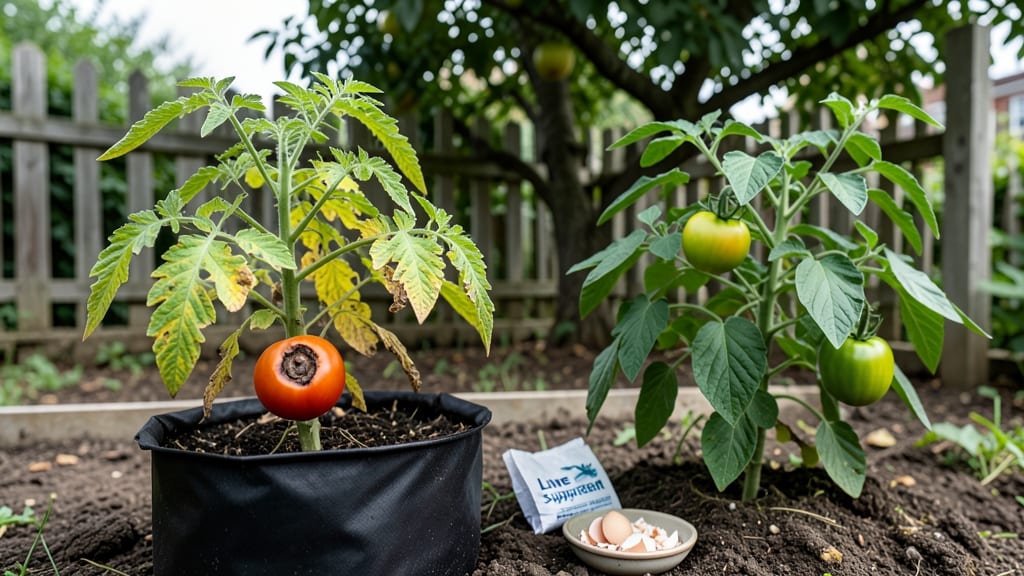
My calcium-deficient tomato plants were turning into a sad, rotten mess until I cracked the code. 🌱 The telltale signs—dark, sunken spots on fruit and curled leaves—meant my plants needed a calcium boost, and crushed eggshells became my secret weapon.
This isn't just about saving your harvest; it's about understanding why it happened in the first place.
The root causes are often simple: overwatering that flushes calcium away, soil too acidic to absorb it, or just not enough calcium in the mix to begin with. I learned the hard way that even rich compost can lack this crucial mineral.
The good news? Fixing it takes less time than you'd think—just a few adjustments to watering, soil pH, and a quick calcium boost.
With the right approach, you'll see new growth pushing out within 2-3 weeks, and those dark spots will stop appearing on your tomatoes. The plants will stand taller, leaves will unfurl properly, and you'll end up with a harvest that looks as good as it tastes.
No more guessing—just science-backed fixes that actually work.
This method works for both garden beds and containers, and it's especially helpful if you're growing in soil that's naturally low in calcium. Let's get those tomatoes thriving again—without the frustration.
Root Causes Of Calcium Deficiency
Tomatoes are heavy feeders, and when they don’t get enough calcium, it’s usually a sign of deeper issues—some preventable, others tied to the very soil (or lack of it) they’re growing in.
Let’s break down the most common reasons your plants are starving for this vital nutrient, even if the soil looks fertile.
Calcium isn’t just about how much you add—it’s about how well your plants can access it. Compacted, waterlogged, or overly sandy soil creates a double whammy:
- Root Strangulation: Dense soil restricts root growth, limiting the plant’s ability to absorb calcium (and other nutrients) from deeper layers. Think of it like trying to sip a milkshake through a straw that’s been crushed—no matter how much calcium is in the soil, the roots can’t reach it.
- Oxygen Starvation: Waterlogged soil cuts off oxygen, which roots need to transport nutrients (including calcium) upward. Without oxygen, roots “drown” and become less efficient at uptake.
- pH Imbalance: Calcium thrives in slightly acidic to neutral soil (pH 6.0–7.0). If your soil is too acidic (<5.5) or alkaline (>7.5), calcium binds tightly to soil particles or becomes unavailable. Test your soil—it’s the first step to fixing this!
Actionable Fix: Amend heavy clay with compost or perlite; improve sandy soil with organic matter like peat moss. For pH issues, use lime (to raise pH) or sulfur (to lower it)—but do this 6+ months before planting for best results.
Calcium deficiency often isn’t about a lack of calcium—it’s about other nutrients hogging the spotlight. Here’s how it happens:
| Competing Nutrient | Why It Causes Calcium Deficiency | How to Fix It |
|---|---|---|
| Potassium (K) | High potassium levels block calcium uptake. Common in over-fertilized soils or when using banana peels or wood ash as organic amendments. | Balance with calcium-rich amendments (like eggshells or crushed oyster shell) and avoid potassium-heavy fertilizers. |
| Magnesium (Mg) | Magnesium and calcium compete for absorption. Too much Epsom salt (magnesium sulfate) can starve your tomatoes of calcium. | Use calcium nitrate or gypsum instead of Epsom salt for magnesium needs. |
| Sodium (Na) | Salty soil (from poor irrigation water or overuse of synthetic fertilizers) disrupts calcium absorption. | Flush soil with rainwater or distilled water and add gypsum to improve structure. |
Pro Tip: 💡 If you’re using composted manure, go easy—it’s high in potassium and can tip the balance. Side-dress with crushed eggshells to counteract it.
Calcium moves through the plant via the transpiration stream—the water pathway that carries nutrients from roots to leaves. Disrupt this, and calcium gets “stuck” in the roots or fails to reach growing points. Common water-related causes:
- Inconsistent Watering: Tomatoes need steady moisture. Fluctuating water levels (drought followed by a deep watering) cause calcium to precipitate out of the water and become unavailable. This is why blossom end rot flares up after a dry spell!
- Overhead Watering: Wet leaves + hot sun = burned foliage, which stresses the plant and slows nutrient transport. Calcium that should be moving to new growth gets “trapped” in damaged areas.
- Hard Water: Water high in calcium carbonate (hard water) might seem like a bonus, but it can bind calcium in the soil or create crusts on roots, blocking uptake.
Actionable Fix:
- Water deeply and consistently—aim for 1–1.5 inches per week, directly at the soil.
- Use drip irrigation or soaker hoses to avoid wetting leaves.
- If you have hard water, collect rainwater or use a water softener for irrigation.
Calcium deficiency isn’t just a soil game—it’s also a temperature and stress response. When tomatoes get too hot, cold, or otherwise stressed, their ability to absorb and transport calcium plummets:
- Heat Stress: Temperatures above 90°F (32°C) slow root activity and nutrient uptake. Calcium that’s in the soil isn’t being pulled up fast enough to meet demand.
- Cold Snaps: Chilly nights (<50°F/10°C) can disrupt calcium metabolism, leading to poor fruit development and blossom end rot.
- Transplant Shock: Moving tomato plants (even young seedlings) can sever fine root hairs, which are critical for calcium absorption. The plant focuses on regrowing roots instead of delivering calcium to new growth.
Actionable Fix:
- Provide shade cloth during heatwaves to keep soil temps cool.
- Use mulch (straw or grass clippings) to insulate roots from temperature swings.
- When transplanting, harden off seedlings gradually and avoid disturbing roots.
Key Takeaway: Calcium deficiency is rarely just about “not enough calcium”—it’s usually a combination of soil, water, and environmental factors working against your plants. The good news? Most of these issues are easy to diagnose and fix with the right adjustments. Start with a soil test, then tackle drainage, pH, and watering—your tomatoes will thank you with plump, rot-free fruit!
Quick Fixes for Calcium-Deficient Tomatoes
Now that you know the signs and causes of calcium deficiency in your tomato plants, let’s roll up our sleeves and get to work! The good news? Most solutions are simple, cost-effective, and can be done right in your garden.
Below, we’ve mapped out practical fixes based on the root causes—plus prevention tips to keep your plants thriving long-term.
If your plants are already showing symptoms like blossom end rot or stunted growth, immediate calcium supplementation is key. Skip the fancy (and often expensive) fertilizers—your kitchen and garden likely already have what you need!
🥚 Eggshell Remedy (The Ultimate DIY Fix)
Eggshells are packed with calcium carbonate, making them a perfect, free solution. Here’s how to use them:
- 🔥 Collect and Clean
- Save eggshells from your kitchen (organic or free-range eggs work best).
- Rinse them thoroughly to remove residue, then dry in the sun or oven (200°F for 10 minutes).
- 🍳 Crush into Powder
- Grind the dried shells into a fine powder using a blender, mortar and pestle, or coffee grinder.
- Pro Tip: 💡 For extra speed, freeze shells for 30 minutes first—they’ll shatter easier!
- 👨🍳 Apply to Soil or Compost - Option 1 (Direct Soil Boost): Sprinkle 1–2 tablespoons of eggshell powder around the base of each tomato plant, then water well.
Repeat every 2–4 weeks. - Option 2 (Compost Tea): Steep eggshells in water for 24–48 hours, strain, and use as a foliar spray or soil drench. Bonus: This also adds beneficial microbes!
- 🥘 Prevent Future Deficiency
- Mix eggshell powder into compost piles or garden beds before planting for long-term calcium availability.
✨ Why It Works: Eggshells release calcium slowly, giving roots a steady supply without overwhelming the plant.
🥛 Other Calcium-Rich Amendments
If eggshells aren’t your thing, try these alternatives:
- Crushed Oyster Shells – Sprinkle around plants (great for acidic soils).
- Bone Meal – A slow-release option (use sparingly—it’s high in phosphorus too).
- Gypsum (Calcium Sulfate) – Safe for all soil types; mix 1–2 tablespoons per plant into the top 2 inches of soil.
- Wood Ash – Use cautiously! Only apply to non-acidic soils (test first) and avoid overdoing it—too much raises pH.
Calcium deficiency often stems from poor water absorption, especially in hot or dry conditions. Here’s how to adjust your watering habits:
🔥 Deep and Consistent Watering
- Problem: Shallow watering leads to uneven calcium distribution.
- Fix: Water deeply 1–2 times per week (instead of daily light sprinkles) to encourage root growth and calcium uptake.
- Pro Tip: 🌡️ Water in the early morning to reduce evaporation and fungal risks.
🚰 Avoid Overhead Watering
- Problem: Wet foliage can spread disease and wash away calcium-rich soil particles.
- Fix: Use drip irrigation or soaker hoses to deliver water directly to the roots.
💦 Check Your Soil Moisture
- Stick your finger 2 inches into the soil—if it’s dry, it’s time to water. Calcium moves with water, so consistent moisture = better absorption.
Healthy soil = happy plants! If your garden is calcium-deficient, it’s time for a soil makeover.
🔥 Test Your Soil
- Grab a DIY soil test kit (or send a sample to your local extension office) to check:
- pH levels (ideal for tomatoes: 6.0–6.8).
- Calcium levels (aim for 0.5–1.5 meq/100g).
- Pro Tip: 📊 If your soil is too acidic (low pH), calcium becomes less available—add lime (calcium carbonate) to balance it.
🍂 Compost and Mulch Like a Pro
- Add compost rich in organic matter (like worm castings or well-aged manure) to improve soil structure and nutrient retention.
- Mulch with straw or grass clippings to:
- Retain moisture (helping calcium uptake).
- Regulate soil temperature (preventing stress).
- Slowly release nutrients as it breaks down.
🌱 Choose Calcium-Loving Companion Plants
Pair your tomatoes with plants that enhance calcium availability:
- Marigolds – Repel pests and improve soil health.
- Basil – Acts as a natural calcium booster (some studies suggest it increases tomato calcium uptake!).
- Beans or Peas – Fix nitrogen in the soil, reducing competition for calcium.
Avoid planting tomatoes near potatoes or fennel—they can compete for calcium or inhibit growth.
Sometimes, external factors (like temperature swings or poor airflow) prevent plants from absorbing calcium. Let’s troubleshoot:
🔥 Prevent Heat Stress
- Problem: Extreme heat (above 90°F) reduces calcium uptake.
- Fix:
- Use shade cloth (30–50% coverage) during peak sun hours.
- Mulch heavily to keep roots cool.
- Avoid fertilizing in scorching heat—plants can’t absorb nutrients efficiently.
🌡️ Manage Temperature Swings
- Problem: Rapid temperature changes (e.g., cold nights) disrupt calcium movement.
- Fix:
- Row covers can protect young plants from chilly nights.
- Avoid planting too early—wait until soil temps are consistently above 60°F.
💨 Improve Air Circulation
- Problem: Crowded plants or poor airflow lead to blossom end rot and disease.
- Fix:
- Space tomato plants 18–24 inches apart.
- Prune lower leaves to improve airflow (but leave some foliage for shade).
- Use trellises to keep plants upright and reduce humidity around fruit.
Once you’ve revived your plants, lock in their success with these habits:
- 🌱 Start with Calcium-Rich Soil
- Before planting, amend soil with:
- 1 cup of eggshell powder per plant.
- A handful of crushed oyster shell or bone meal.
- Before planting, amend soil with:
- 📅 Follow a Fertilizing Schedule
- Use a balanced fertilizer (10-10-10) every 3–4 weeks, but avoid high-nitrogen (it can worsen calcium deficiency).
- Pro Tip: 🎯 For extra calcium, switch to a low-nitrogen, high-calcium fertilizer (like 5-10-10) mid-season.
- 🍅 Monitor pH Regularly
- Test soil every 6 months—aim for 6.0–6.8 pH. If it’s too low, add pelletized lime.
- 🌿 Rotate Crops
- Avoid planting tomatoes (or other heavy calcium users like peppers and eggplants) in the same spot yearly—it depletes soil calcium.
- 🚜 Use Mulch Year-Round
- Even in winter, a thick mulch layer (4–6 inches) protects soil structure and nutrient levels.
| Issue | Quick Fix | Prevention |
|---|---|---|
| Blossom end rot | Eggshell powder + deep watering | Mulch, test soil pH, avoid overhead watering |
| Yellowing leaves | Gypsum or compost tea | Companion planting (basil, marigolds) |
| Stunted growth | Bone meal + consistent moisture | Improve soil drainage |
| Poor fruit set | Calcium spray + shade cloth | Pr
Frequently asked questions
How quickly will my tomato plants show improvement after adding calcium?
You should see noticeable changes within 2-3 weeks if you address both calcium levels and watering practices. New growth will appear firmer, and existing blossom-end rot spots will stop spreading. For severe cases, it may take up to 4-6 weeks to fully recover, especially if roots were damaged from poor calcium uptake.
Can I use crushed eggshells on my tomato plants if I have hard water?
Yes, eggshells are actually ideal for hard water situations! The calcium carbonate in eggshells helps balance the soil's calcium levels, which hard water can sometimes disrupt. Just crush them finely and mix into the soil or compost - hard water won't affect their effectiveness as a calcium source for your plants.
Will adding calcium help prevent blossom-end rot on existing tomatoes?
For tomatoes already showing blossom-end rot, calcium won't reverse the damage on existing fruit. However, it will prevent new cases from developing and help future fruit grow properly. Remove affected tomatoes immediately and focus on consistent watering and soil amendments to protect developing fruit.
How often should I test my soil for calcium levels?
Test your soil every 2-3 years as a general maintenance practice, or whenever you notice calcium deficiency symptoms. For container-grown tomatoes, test annually since nutrients deplete faster. The ideal calcium level for tomatoes is 0.5-1.5 meq/100g of soil - this gives you a clear target for amendments.
Can I use too much calcium on my tomato plants?
While calcium toxicity is rare, overdoing it can create soil pH imbalances. Too much calcium raises soil pH, making other nutrients like iron and manganese less available. Stick to 1-2 tablespoons of eggshell powder per plant every 2-4 weeks and always maintain your soil's ideal pH range of 6.0-6.8 for tomatoes.