
Vegetables
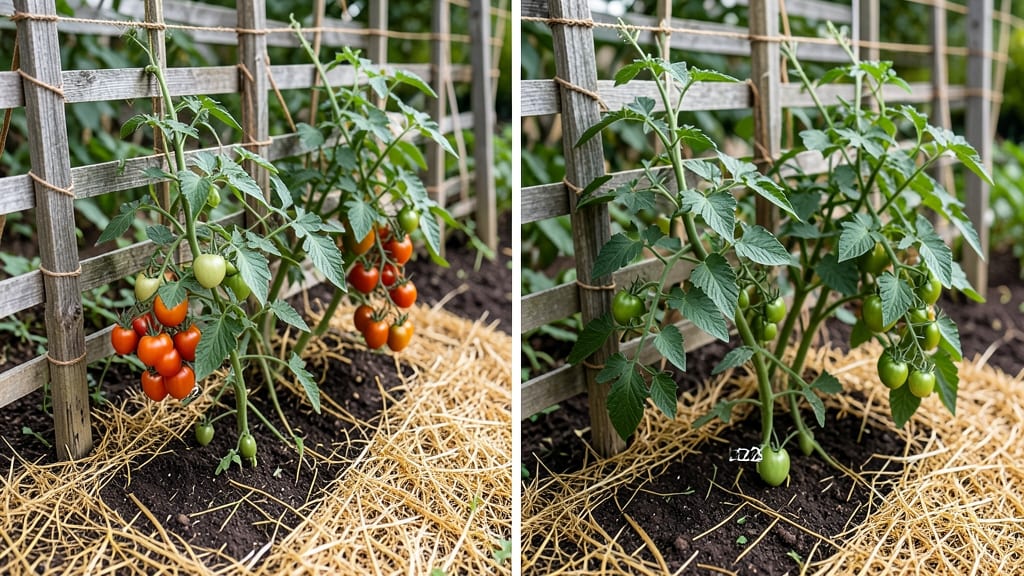
Sweet Million and Sweet 100 tomatoes offer totally different growing experiences—and your choice depends on whether you want tiny, prolific clusters or big, beefy slices. 🌱 I've grown both for years, and while Sweet 100s steal the show at picnics, Sweet Millions win for continuous snacking straight off the vine.
Sweet 100s produce 2-ounce heirloom tomatoes that burst with classic flavor, but they need more space and heavier pruning to support those beefy fruits. Sweet Millions, on the other hand, are indeterminate vines that produce penny-sized cherry tomatoes in endless waves—perfect for salads or snacking straight from the plant.
For flavor, Sweet 100s win with their rich, old-school taste, but Sweet Millions deliver sweetness in volume—ideal if you love biting into tomatoes all season long. The care difference?
Sweet 100s need sturdy cages and less watering to prevent cracking, while Sweet Millions thrive with consistent moisture and light pruning to keep the harvest flowing.
Choose Sweet 100s if you want showstopper slices for sandwiches, or go with Sweet Millions for effortless abundance—just don't expect those giant slices. Both are disease-resistant and beginner-friendly, but their growing styles couldn't be more different.
The first product explained
Meet the Sweet Million tomato—your new go-to for explosive flavor and bountiful harvests! 🍅🔥 This hybrid tomato variety is a favorite among home gardeners and urban farmers for its compact size, rapid growth, and sweet, tangy taste. Whether you're a seasoned green thumb or a curious beginner, the Sweet Million delivers big rewards in a small package.
🌱 Key Specs & Features
- Plant Type: Indeterminate (vining, requires support like stakes or trellises)
- Mature Size: Compact vines (up to 6–8 feet tall) but ideal for containers or small gardens
- Days to Maturity: 55–65 days—perfect for short growing seasons or early harvests!
- Fruit Size: Small to medium (1–2 inches in diameter), but packed with flavor
- Color: Bright red when ripe (though some may turn yellow or orange)
- Yield: Prolific producer—expect clusters of 20+ tomatoes per vine!
- Flavor Profile: Sweet, slightly tangy, and bursting with juiciness—often compared to cherry tomatoes but with a deeper taste
- Disease Resistance: Tolerates verticillium and fusarium wilt, making it hardier than many heirlooms
👩🌾 Who Should Grow It?
The Sweet Million is a versatile powerhouse for:
- 🏡 Small-space gardeners (balconies, patios, or containers)
- 🕒 Busy growers—its fast maturity means quicker rewards!
- 🍽️ Salad lovers and snackers—ideal for fresh eating, salsas, or caprese skewers
- 🌿 Organic or low-maintenance growers—disease-resistant and productive with minimal fuss
💰 Price Point & Availability
Seeds for Sweet Million tomatoes are affordable and widely available, typically ranging from:
- $2–$4 per packet (enough for 50–100 plants)
- $0.50–$1.50 per seed if buying individually (great for bulk gardeners!)
You can find them at local nurseries, online seed retailers (like Baker Creek Heirloom Seeds or Burpee), or big-box stores during planting season. Pro tip: 💡 Start seeds indoors 6–8 weeks before your last frost date for the earliest harvest!
The second product explained
Meet the Sweet 100 tomato—the classic, crowd-pleasing heirloom that’s been stealing hearts (and gardens!) for decades. 🍅✨ Known for its perfect balance of sweetness, tang, and versatility, this tomato is a staple for home gardeners and chefs alike.
If you’re looking for a reliable, flavor-packed tomato that’s easy to grow and adaptable to countless dishes, the Sweet 100 is your go-to.
📏 Specs & Features
Here’s what makes the Sweet 100 stand out:
- Size: Medium—typically weighing 4-6 ounces (about the size of a tennis ball).
- Color: Classic red when ripe, with a glossy, smooth skin that’s easy to peel.
- Flavor Profile: Sweet, juicy, and slightly tangy with a well-rounded tomato taste that’s less acidic than some hybrids.
- Growth Habit: Indeterminate (vining), so it’ll keep producing fruit all season long if given proper support.
- Days to Maturity: Around 70-80 days from transplant, making it a mid-season performer.
- Yield: High! Expect 10-20 pounds per plant under ideal conditions.
- Disease Resistance: Moderate resistance to verticillium and fusarium wilt, but still susceptible to common tomato pests like blight.
🎯 Target Users
The Sweet 100 is a versatile powerhouse that thrives in the hands of:
- Home Gardeners: Perfect for beginners and veterans alike—its reliability and productivity make it a garden favorite.
- Chefs & Foodies: Ideal for slicing, salads, sauces, salsas, and even grilling. Its balanced flavor holds up well in cooking.
- Canners & Preservers: Holds its shape and flavor during canning, making it great for whole-packed tomatoes, sauces, and juices.
- Urban Gardeners: Does well in containers (with support) if space is limited.
💰 Price Point & Availability
The Sweet 100 is a budget-friendly option, typically priced between $2.50 and $4.50 per seed packet (or $0.50-$1.50 per seed if bought in bulk). You can find seeds from:
- Reputable seed companies like Baker Creek, Burpee, or Johnny’s Selected Seeds.
- Local nurseries or garden centers (especially in early spring).
- Online marketplaces like Etsy or Amazon for heirloom varieties.
Pro Tip: 💡 If you’re planting in cooler climates, consider starting seeds indoors 6-8 weeks before the last frost for a head start!
Head-to-head comparison
If you're torn between the Sweet Million and Sweet 100 tomatoes, you’re not alone—gardeners everywhere debate which hybrid reigns supreme for flavor, productivity, and ease of growing. 🍅✨ To help you decide, let’s break down their key differences in a side-by-side comparison across the dimensions that matter most: performance, features, price, durability, and growing conditions.
Whether you’re a backyard gardener or a small-scale farmer, this breakdown will help you pick the perfect tomato for your needs!
🌱 Performance: Yield & Growth Speed
The biggest difference between these two varieties lies in their growth habits and productivity. Here’s how they stack up:
| Category | Sweet Million | Sweet 100 |
|---|---|---|
| Plant Type | Indeterminate (vining, grows continuously) | Determinate (bush, grows to a fixed size) |
| Yield Potential | High! Can produce hundreds of small, sweet fruits over a long season. | Moderate to high, but focused on a single harvest (usually 100+ tomatoes at once). |
| Time to First Fruit | 60–70 days (slower to start but keeps producing) | 55–65 days (faster to mature but shorter harvest window) |
| Harvest Duration | All season long (until frost) | 2–4 weeks (once the plant reaches maturity) |
Winner for: Sweet Million if you want a long, steady supply of tomatoes. Sweet 100 is ideal if you prefer a big, one-time harvest (great for canning or sharing!).
🍅 Features: Flavor, Size, and Versatility
Both tomatoes are celebrated for their sweet, low-acid flavor, but their physical traits and best uses differ:
| Category | Sweet Million | Sweet 100 |
|---|---|---|
| Fruit Size | Penny-sized (1–1.5 inches)—perfect for snacking or garnishes. | Golf-ball sized (2–3 inches)—great for slicing or salads. |
| Flavor Profile | Ultra-sweet, honey-like with a tangy finish. | Sweet with a juicy, balanced taste (less intense than Sweet Million). |
| Best Uses |
|
|
| Color | Deep red-orange when ripe. | Bright red with a slightly glossy sheen. |
Winner for: Sweet Million if you love intense sweetness and small, bite-sized tomatoes. Sweet 100 shines for versatility in cooking and canning.
💰 Price: Seeds vs. Plants
Both varieties are widely available, but costs can vary based on whether you buy seeds or starter plants. Here’s a general breakdown:
| Category | Sweet Million | Sweet 100 |
|---|---|---|
| Seed Cost (per packet) | $2–$4 (often sold in bulk or as part of "snack tomato" mixes) | $2–$4 (slightly more common in seed catalogs) |
| Starter Plant Cost (per plant) | $3–$6 (may be pricier due to popularity) | $2.50–$5 (often easier to find at garden centers) |
| Long-Term Value | Higher ROI—one plant can produce dozens of tomatoes over months. | Good for bulk harvests—ideal if you want a single, abundant yield. |
Pro Tip: 💡 If you’re on a budget, start with seeds—both varieties are easy to grow from scratch! For convenience, Sweet 100 starter plants are often more widely available at big-box stores.
🌿 Durability: Disease Resistance & Care Needs
Neither tomato is heavily disease-resistant, but they have different tolerance levels and care requirements:
| Category | Sweet Million | Sweet 100 | ||||||||||||||||||
|---|---|---|---|---|---|---|---|---|---|---|---|---|---|---|---|---|---|---|---|---|
| Disease Resistance | Moderate (susceptible to fusarium wilt and early blight) | Moderate (can handle heat better but still prone to cracking) | ||||||||||||||||||
| Care Level |
|
|
||||||||||||||||||
| Climate Suitability | Thrives in warm, long seasons (struggles in short summers). | More <
Which one should you choose?So, which tomato reigns supreme in your garden? 🌱🍅 The answer depends on your goals—whether you're craving huge, showstopping slices or small, sweet bursts of flavor. Here’s your tailored verdict to help you decide: 🏆 Pick Sweet Million if you want:
🍓 Pick Sweet 100 if you want:
🤝 The Ultimate Compromise?Why not both? Plant a few Sweet Millions for dramatic slices and a cluster of Sweet 100s for snacking. It’s the best of both worlds—visual drama + convenience! 🎉
Final Thought: There’s no wrong choice here—just what fits your style and space. Whether you’re a show-off gardener or a practical snack seeker, both tomatoes deliver on flavor. Happy planting! 🌿✨ |