
Companion Plants
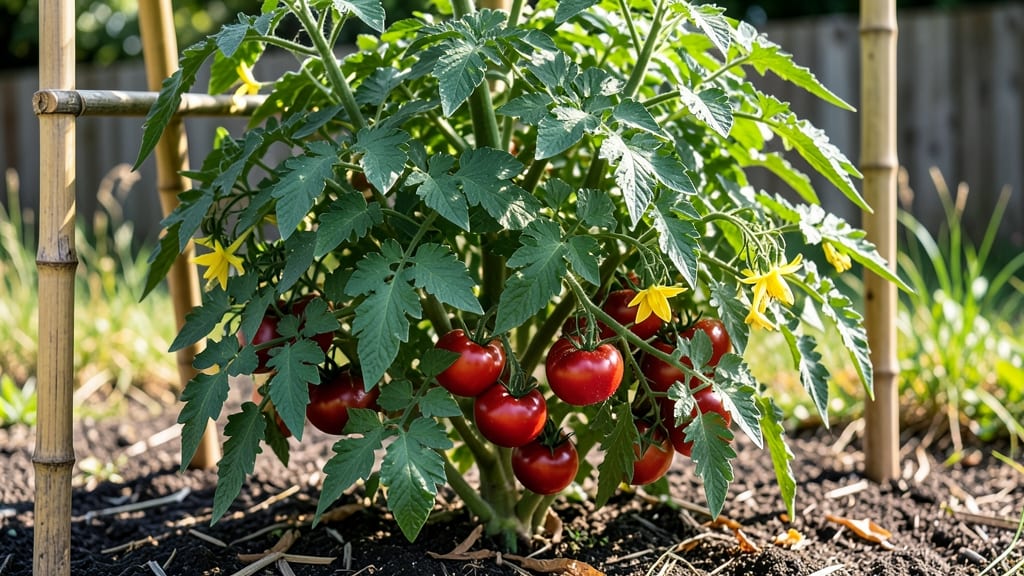
Growing Big Beef hybrid tomato plants means your vine could top 10 feet this summer—without the frost worries of other varieties. 🌱 I planted mine last spring, and by July, I was picking 1-pound tomatoes that put store-bought ones to shame. The secret?
This indeterminate variety keeps producing until frost, so long as you give it the right care. Start indoors 6-8 weeks before your last frost date, then transplant after soil warms to 60°F. Big Beefs need 6-8 hours of sunlight daily and 18-24 inches of spacing between plants to sprawl properly.
I use cage supports to keep vines off the ground, which cuts disease risk and makes harvesting easier. Water consistently—1-2 inches per week—but avoid wetting leaves to prevent blight.
Feed every 2-3 weeks with a balanced fertilizer (10-10-10) until fruit sets, then switch to low-nitrogen (5-10-10) to boost sweetness. Prune suckers regularly to focus energy on fruit, not foliage. The payoff? A 6-foot-tall vine loaded with beefsteak-sized tomatoes that stay productive until fall.
Even if you’ve killed plants before, this variety forgives mistakes—just don’t skimp on support or water.
📚 In This Guide
- What you need
- Instructions
- Tips and common mistakes
- Wrapping up and next steps
What you need
- ● Big Beef Hybrid tomato seeds or seedlings: 2–4 plants (depending on space and desired yield). Opt for certified organic or heirloom seeds if possible!
- ● Growing containers or garden beds: Containers: 5-gallon pots or fabric grow bags (at least 12–18 inches deep) for each plant.
- ● Garden beds: Well-draining soil with a minimum width of 24 inches per plant (they spread!).
- ● High-quality potting mix: 1–2 bags (sterile, well-draining mix with compost or aged manure). Avoid garden soil—it can compact and suffocate roots!
- ● Tomato cages or stakes: 6–8 ft tall cages or sturdy bamboo/wooden stakes (3–4 per plant for support). Pro tip: Use galvanized hardware cloth (1/4-inch mesh) to deter pests while allowing airflow!
- ● Balanced fertilizer: 10-10-10 or organic options like compost tea or worm castings. Follow package instructions for application rates.
- ● Mulch: Straw, wood chips, or black plastic (to retain moisture and suppress weeds).
- ● Trowel or hand shovel (for planting).
- ● Garden gloves (to protect your hands from thorns and soil).
- ● Watering can or hose with a gentle spray nozzle (avoid blasting leaves!).
- ● Pruning shears (for trimming suckers and dead foliage).
- ○ Optional but helpful: pH testing kit (ideal soil pH: 6.0–6.8).
- ● Drip irrigation system (for consistent moisture).
- ● Row covers (to protect young plants from early frost or pests).
- ● Sunlight: Full sun (6–8+ hours daily). Big Beefs are heavy feeders—don’t skimp on light!
- ● Warmth: Soil temperature of at least 60°F (15°C) for planting. Use a seedling heat mat if starting indoors.
- ● Water access: Consistent moisture (1–2 inches per week). Drought stress = fewer tomatoes!
- ● Pest/disease prevention: Rotate crops annually and avoid overhead watering to minimize fungal risks.
Step-by-step guide to growing Big Beef hybrid tomato plants
Here's how to coax those legendary 10-pound tomatoes from your Big Beef plants—with proven techniques for robust vines and zero frost stress.
🌱 Step 1: Start Seeds Indoors for Early Vigorous Growth
Begin seeds 6-8 weeks before your last frost date in biodegradable peat pots to avoid root disturbance. Fill pots with sterile seed-starting mix and plant 2 seeds per pot at ¼-inch depth. The outer coating of Big Beef seeds slows germination, so soak them in lukewarm water for 12 hours before planting—this softens the shell and speeds up sprouting.
Keep soil consistently moist (not soggy) under a clear humidity dome at 75-85°F. You'll see sprouts in 5-10 days. Once 50% of seeds emerge, remove the dome immediately—trapped moisture invites damping-off, which collapses stems overnight. I always label pots with the date because Big Beef plants grow so fast you'll forget which batch you started first.
☀️ Step 2: Provide Strong Light to Prevent Leggy Seedlings
Big Beef seedlings need 14-16 hours of light daily from day one. A south-facing window won't cut it—supplement with a full-spectrum LED grow light positioned 2-4 inches above the plants. Raise the light as they grow to maintain that distance. Leggy seedlings (thin, pale stems with leaves spaced far apart) mean your light is too distant or weak.
Strong seedlings have thick stems, deep green leaves, and compact spacing between nodes. You'll notice them pushing upward steadily rather than stretching desperately. Fertilize lightly with half-strength liquid fertilizer when first true leaves appear (about 2 weeks after germination). Too much nitrogen now makes plants soft and prone to disease.
🪴 Step 3: Harden Off and Transplant After Frost Danger Passes
Two weeks before your last frost date, begin hardening off seedlings by placing them outside in a sheltered, shaded spot for 1-2 hours the first day. Gradually increase outdoor time by 1 hour daily over 10-14 days, introducing more sun and wind. Big Beef plants are frost-sensitive, so never transplant until soil temperatures reach at least 55°F. Cold soil shocks roots and stunts growth.
Transplant on an overcast afternoon to reduce stress. Bury ⅔ of the stem to encourage strong root development—this isn't burying the plant, it's creating a sturdy base. Space plants 18-24 inches apart in full sun (6+ hours daily). The deeper you plant, the more roots form along the buried stem, which supports those heavy vines later.
✂️ Step 4: Prune and Support for Maximum Fruit Production
Big Beef plants are indeterminate, meaning they grow continuously until frost. Install a 6-8 foot tall tomato cage or sturdy stake at transplanting to prevent snapped stems under fruit weight. Prune suckers (the small shoots that form in the leaf axils) weekly to redirect energy into fruit production. Leave 2-3 main stems for airflow and sunlight penetration—crowded foliage invites disease.
When vines reach the top of your support, pinch off the growing tip to stop vertical growth. This encourages the plant to put energy into ripening existing fruit rather than growing more leaves. You'll see clusters of 6-8 tomatoes per truss, each weighing 1-2 pounds—the hallmark of Big Beef hybrids. Water at the base deeply but infrequently (1-2 inches per week) to prevent blossom-end rot.
Tips & tricks for growing legendary Big Beef tomatoes
These game-changing strategies will help you cultivate the strongest, most productive Big Beef tomato plants with minimal stress.
Seed Prep Secret: That 12-hour lukewarm water soak isn't just about speed—it's about breaking the seed's protective shell while preventing overhydration. Use a clear glass to monitor the water level; it should stay consistent without evaporation. If seeds float, they're not viable—discard them immediately. The goal is gentle hydration, not soaking like a bath.
Light Management: The 14-16 hours of daily light requirement is non-negotiable for Big Beef's vigor, but here's the pro move: Use a timer for your grow light to automate the cycle. Position it just 2-3 inches above seedlings initially, then raise it weekly as they grow. Watch for leaves touching the light—this burns foliage and stresses plants. Leggy seedlings? You've lost the light battle.
Transplanting Technique: Burying ⅔ of the stem during transplanting might seem counterintuitive, but it's a root factory. The buried portion will develop secondary roots along its length, creating a stronger anchor for those towering vines. Make a small trench around the base after planting to guide water directly to these new roots during the first week after transplanting.
Pruning Precision: Those weekly sucker removals are crucial, but timing matters. Remove suckers when they're pencil-sized—any larger and you're stealing energy from the plant. Keep only 2-3 main stems to ensure proper airflow; crowded foliage creates the perfect humidity for fungal diseases. And when you pinch off the growing tip at the top, you're essentially telling the plant, "Stop growing up, start ripening fruit."
Pro Tips for Big Beef Hybrid Tomato Plants
- These game-changing strategies will help you cultivate the strongest, most productive Big Beef tomato plants with min...
- Seed Prep Secret: That 12-hour lukewarm water soak isn't just about speed—it's about breaking the seed's protective s...
- Light Management: The 14-16 hours of daily light requirement is non-negotiable for Big Beef's vigor, but here's the p...
Frequently asked questions
Got questions about growing Big Beef hybrid tomato plants? You’re not alone!
Here are answers to the most common queries—from planting to troubleshooting—to help you grow a bumper crop of juicy, frost-free tomatoes.
How long does it take for Big Beef tomatoes to produce fruit?
Big Beef plants typically start flowering in 50–60 days after transplanting (if started indoors) or 60–70 days from direct sowing. First fruits usually ripen in 70–85 days, but full production peaks in 2–3 months after flowering. Patience pays off—these vines keep yielding until frost!
Can Big Beef tomatoes survive light frost?
Nope! While Big Beef thrives in heat, it’s not frost-tolerant. Temperatures below 32°F (0°C) will damage leaves and fruit. To extend the season, use row covers or grow in containers for mobility. Harvest before the first frost or move plants indoors if possible.
What’s the best companion plant for Big Beef tomatoes?
Big Beef loves teamwork! Plant with basil (boosts flavor and deters pests), marigolds (repels nematodes), or onions/garlic (keeps bugs away). Avoid brassicas (cabbage family) or corn, as they compete for nutrients. A 3-foot radius of companions keeps your tomatoes happy and healthy.
Why are my Big Beef tomato leaves turning yellow?
Yellow leaves usually signal overwatering, nutrient deficiency (like nitrogen), or disease (e.g., early blight). Check soil moisture—Big Beef prefers 1–1.5 inches of water weekly. If yellowing spreads, test soil pH (ideal: 6.0–6.8) and fertilize with a balanced tomato feed. Prune affected leaves to improve airflow.
Can I grow Big Beef tomatoes in containers?
Big Beef does well in 5-gallon+ containers with trellis support (they can grow 6+ feet tall). Use a lightweight potting mix with added compost, and ensure drainage. Place containers in full sun (6+ hours/day) and fertilize every 2–3 weeks. Just avoid overcrowding—one plant per container works best!
Pro Tip: Big Beef tomatoes are determinate, meaning they grow to a set size and produce fruit in clusters. Unlike indeterminate varieties, they don’t need constant pruning—but you can pinch suckers for better airflow and larger fruit!
Wrapping up and next steps
Growing Big Beef hybrid tomato plants is a rewarding journey—whether you're a seasoned gardener or a curious beginner! These hardy vines thrive in cooler climates, resist frost, and deliver massive yields of juicy, flavorful tomatoes.
With the right companion plants, soil prep, and care, you’ll enjoy a bountiful harvest that’ll make your neighbors green with envy.
Ready to dive in? Start by sketching your garden layout, gathering your supplies, and planting those seeds or seedlings this season. Your future tomato feast awaits! 🍅✨