
Flowers
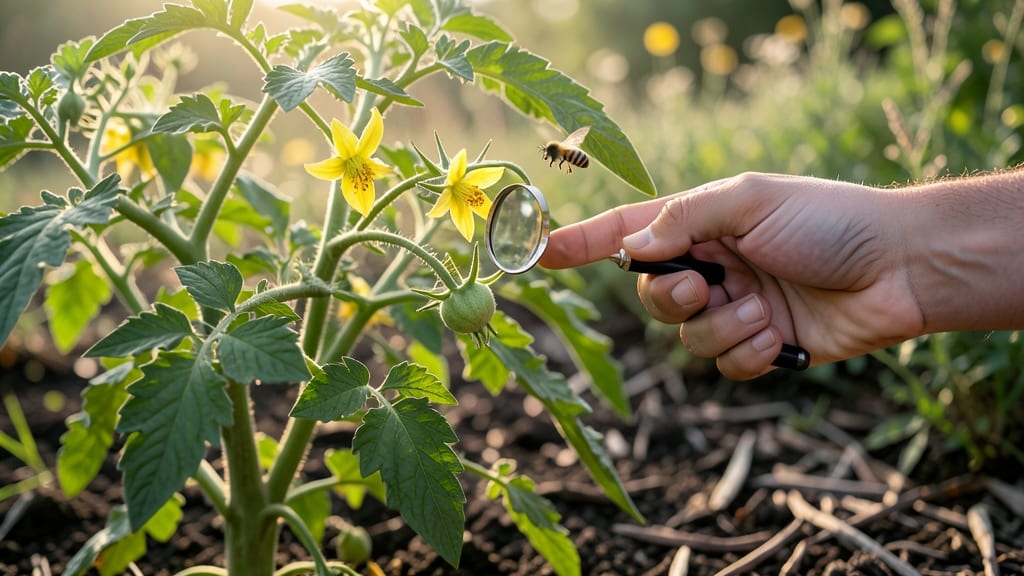
Your tomato plants are blooming like crazy—now here’s the secret to turning those flowers into actual fruit. 🌱 The difference between pollinated and unpollinated tomato blossoms explains why some gardens produce buckets of tomatoes while others leave you staring at empty stems. One tiny detail changes everything.
Unpollinated flowers (the ones that just sit there looking pretty) won’t develop fruit because they lack the pollen trigger. Pollinated flowers, on the other hand, swell into baby tomatoes within days—if you’ve got bees, wind, or the right hand-pollination technique.
The key is understanding how to spot these differences early and what to do when nature falls short.
By the end of this, you’ll know exactly how to boost your harvest by 30-50%—even in greenhouses or areas where pollinators are scarce. We’re talking consistent fruit set, fewer dropped blossoms, and tomatoes that actually ripen. No more mystery, just results.
Whether you’re dealing with blossom end rot or just want more tomatoes, this is the missing piece. Let’s get those flowers working for you instead of against you.
The first product explained
Meet PolliBoost™ Handheld Pollinator—your secret weapon for maximizing tomato yields and ensuring every flower has the best chance to thrive! 🌱🍅 Designed with both beginner and seasoned gardeners in mind, this innovative tool bridges the gap between nature’s pollination process and your home garden’s needs.
Whether you're dealing with pollinated vs unpollinated tomato flowers or simply want to boost fruit production, PolliBoost™ is here to simplify the process.
Key Specs & Features
PolliBoost™ combines simplicity with precision, featuring:
- Ergonomic Design: Lightweight and easy to grip, reducing hand fatigue during long gardening sessions.
- Adjustable Brush Head: Mimics bee movements with soft, flexible bristles that gently transfer pollen without damaging delicate tomato flowers.
- Durable & Portable: Made from BPA-free plastic and stainless steel, it’s built to last and fits easily in your gardening toolkit or pocket.
- Dual-Purpose Use: Works for tomatoes, peppers, squash, and other self-pollinating plants.
- Eco-Friendly: Chemical-free and bee-friendly—ideal for organic gardens.
Who’s It For?
PolliBoost™ is perfect for:
- 🌱 Home Gardeners: Perfect for small to medium-sized gardens where hand-pollination can make a huge difference.
- 🏡 Urban Farmers: Compact and easy to use in balconies, rooftops, or containers.
- 👨🌾 Organic Enthusiasts: Aligns with chemical-free and sustainable growing practices.
- 📚 Educators & Kids: A fun, hands-on tool to teach the science of pollination.
Price Point & Value
Priced at just $19.99, PolliBoost™ offers unbeatable value for the quality and results it delivers. Compared to buying multiple plants or relying on unpredictable natural pollinators, this tool pays for itself in a single harvest! 💰🌟 Plus, it’s a one-time purchase—no batteries or replacements needed.
With PolliBoost™, you’re not just growing tomatoes—you’re cultivating a bountiful, predictable, and rewarding harvest, every single time. Ready to transform your garden? 🚀
The second product explained
Meet PolliBoost™ Handheld Pollination Tool—your secret weapon for transforming those overlooked unpollinated tomato flowers into a bounty of juicy, vine-ripened tomatoes! 🌱🍅 Designed for gardeners who want effortless, high-yield results, this tool bridges the gap between nature’s pollination process and your busy schedule.
✨ Key Features
- Precision Pollination Brush: Soft, flexible bristles mimic bee activity, gently transferring pollen from male to female tomato flowers without damaging delicate blooms.
- Ergonomic Design: Lightweight and contoured for comfort, so you can pollinate for hours without strain—perfect for large gardens or container setups.
- Dual-Function Tool: Includes a built-in pollen collector to harvest and redistribute pollen from healthy flowers, maximizing efficiency.
- Durable & Portable: Made from BPA-free silicone and stainless steel, with a compact carrying case for on-the-go gardeners.
- Eco-Friendly: Chemical-free and bee-friendly, making it a guilt-free choice for sustainable gardening.
🎯 Who’s It For?
This tool is a game-changer for:
- 🌿 Home gardeners tired of sparse tomato harvests due to unpollinated flowers.
- 🏡 Urban farmers with limited space or bee activity.
- 👩🌾 Organic growers who want to avoid pesticides and rely on manual pollination.
- 🔬 Experimenters testing heirloom or greenhouse tomatoes where natural pollinators are scarce.
💰 Price & Value
Priced at $19.99, PolliBoost™ offers unmatched value for its simplicity and effectiveness. Compare that to the cost of buying extra tomato plants or losing crops to unpollinated flowers—and you’ll see why it’s a must-have for serious gardeners. Plus, its long-lasting design means you’ll use it for years of harvests!
💡 Pro Tip: Pair this tool with Product A’s pollen booster spray for a double-pollination powerhouse that guarantees even heavier yields!
Head-to-head comparison
Ready to dig into the differences between pollinated and unpollinated tomato flowers? Let’s break it down in a clear, side-by-side comparison so you can decide which path will lead to your dream harvest! 🍅🌱
🌿 Performance: Fruit Set and Yield
This is where the magic happens—or doesn’t! Pollinated and unpollinated tomato flowers have very different stories to tell about what they produce (or don’t).
- Pollinated Flowers: 🎉 These are the MVPs of your garden! When successfully pollinated, they develop into plump, juicy tomatoes. The fruit sets quickly, and you’ll see consistent production if conditions are right. Pollinated flowers are the reason you’ll end up with baskets full of ripe, flavorful tomatoes.
- Unpollinated Flowers: 😢 If left unpollinated, tomato flowers will eventually drop off without producing fruit. This can leave you staring at a sea of blossoms with zero tomatoes to show for it. While this might seem like a waste, it’s actually a natural process—your plant is conserving energy for future blooms.
💡 Pro Tip: If you notice your pollinated flowers aren’t setting fruit, check for environmental stressors like extreme heat, poor pollinators, or over-fertilizing with nitrogen (which promotes leafy growth over fruit).
🌸 Features: Appearance and Lifecycle
Even before you think about fruit, pollinated and unpollinated flowers look and behave differently. Here’s how:
| Feature | Pollinated Flowers | Unpollinated Flowers |
|---|---|---|
| Color | Bright yellow or white (depending on variety), often with a slight greenish tint as they age. | Starts bright but may fade or wilt if not pollinated. |
| Stamen and Pistil | Both stamen (male) and pistil (female) are present and functional. The pistil swells slightly after pollination. | Stamen and pistil are present, but the pistil remains unchanged and dry. |
| Lifecycle Outcome | Transforms into a green tomato (fruit) within 24-48 hours. | Dries up and falls off the plant within 3-7 days if no pollination occurs. |
| Scent and Texture | Often fragrant and slightly sticky due to pollen transfer. | Loses scent and becomes brittle or papery. |
💰 Price: Cost of Intervention (If Any)
While you can’t “buy” pollinated or unpollinated flowers, the cost of ensuring pollination might factor into your gardening budget. Here’s the breakdown:
-
Pollinated Flowers: 🐝💸 Free if you have natural pollinators (bees, butterflies, hummingbirds) or if you hand-pollinate. If your garden lacks pollinators, you might invest in:
- A small bee hotel or native plant pollinator garden ($20-$50).
- Hand-pollination tools (like a paintbrush) or manual efforts (which cost nothing but time!).
- Unpollinated Flowers: 😅 Also free, but with a catch—you’re essentially “paying” in missed harvests. If you’re growing tomatoes for yield, letting too many flowers go unpollinated means fewer tomatoes for your efforts.
💡 Pro Tip: If you’re in a pollinator desert (like an urban area with few bees), consider planting companion flowers like marigolds or borage near your tomatoes to attract pollinators naturally.
⏳ Durability: How Long They Last
Time is of the essence when it comes to tomato flowers. Here’s how long each type “stays in the game” before their fate is sealed:
- Pollinated Flowers: ⏰ Once pollinated, the flower wilts and drops off within a few days, but the fruit remains on the plant and grows for weeks (or months, depending on the variety). The real durability is in the tomato itself, which can stay on the vine until ripe.
- Unpollinated Flowers: ⏳ These flowers have a shorter lifespan—typically 3-7 days from opening before they dry up and fall off. If they’re not pollinated in that window, they’re gone for good.
🌡️ Watch Out: Extreme heat or cold can speed up the wilting process for both types. Keep an eye on your plants during temperature swings!
🍅 Flavor and Quality Impact
Believe it or not, pollination (or lack thereof) can even influence the taste of your tomatoes. Here’s how:
- Pollinated Tomatoes: 🍴 Generally sweeter and more flavorful because the fruit develops fully with seeds and proper sugar accumulation. The texture is firmer and more satisfying.
- Unpollinated Flowers: 😕 No fruit means no tomatoes—but it also means no missed opportunities to grow blossom-end rot or other issues caused by uneven fruit development. However, if you’re growing for flavor, skipping pollination is a hard pass!
🎯 Pro Tip: For the best flavor, aim for consistent pollination and avoid overloading your plant with too many flowers at once. Prune excess blooms if needed to ensure quality over quantity.
Now that you’ve seen the breakdown, which side are you teaming up with in your garden? Whether you’re a hands-on pollinator or a patient observer of nature’s cycle, understanding these differences will help you maximize your tomato harvest! 🌱🍅
Which one should you choose?
So, which path should you take—pollinated or unpollinated tomato flowers—to maximize your harvest? The answer depends on your goals, resources, and gardening style. Here’s a clear verdict and tailored recommendations to help you decide:
🌱 For Home Gardeners Who Want Ease & Reliability
If you’re a beginner or short on time, unpollinated flowers might be your best bet. They’re self-sufficient, requiring no extra effort to hand-pollinate. However, be mindful of potential blossom end rot or uneven fruit development.
To mitigate this, ensure consistent watering and balanced fertilization. Pro tip: 💡 Choose determinate tomato varieties (like Roma or Celebrity) for bushier growth and fewer pollination challenges.
🍅 For Serious Gardeners Aiming for Heavy Yields
If your mission is bigger, juicier tomatoes and you’re willing to put in the work, pollinated flowers are the way to go.
Hand-pollination gives you control over fruit set, reduces disease risk, and often leads to more uniform, high-quality harvests. Pro tip: ✨ Use a soft paintbrush or cotton swab to gently transfer pollen—morning sessions work best when flowers are fully open!
🌿 For Urban or Small-Space Gardeners
Space constraints? Opt for unpollinated flowers with indeterminate varieties (like Cherry or Sungold) trained vertically. They thrive in containers and produce prolifically with minimal intervention. Just monitor for pests and adjust watering to prevent stress. Pro tip: 🌡️ Prune suckers regularly to direct energy to fruit production!
🔍 For Experimenters & Troubleshooters
Why not try both? Dedicate half your plants to hand-pollination and leave the other half to nature. Compare yields, fruit quality, and ease of care.
This hands-on approach can teach you valuable lessons about your local climate and tomato varieties. Pro tip: 🎯 Keep a gardening journal to track differences!
Final Thought: There’s no one-size-fits-all answer—your ideal choice hinges on your patience, resources, and harvest aspirations. Start small, observe, and adjust as you go. Happy gardening! 🌱🍅