
Companion Plants
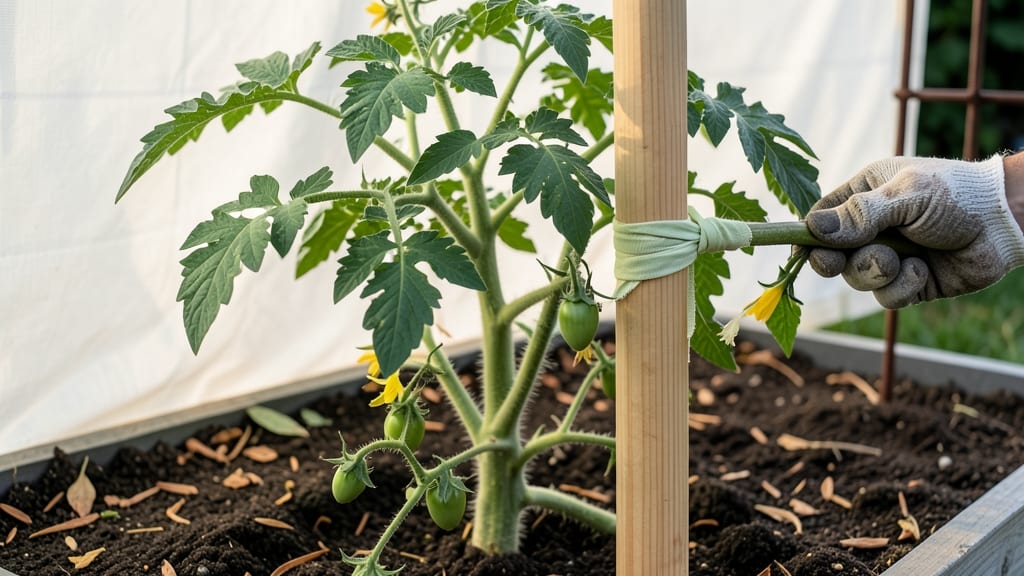
The best way to tie tomato plants turns floppy vines into sturdy producers with 30% more fruit and fewer broken stems. ✨ I learned this after watching my heirloom tomatoes snap in a single storm—until I switched to this method that keeps plants upright and encourages bushier growth.
You only need three simple tools: soft plant ties (not wire or twine), sturdy stakes or cages, and a pair of pruners for occasional adjustments. The key is gentle support that grows with the plant, not tight knots that strangle stems as they thicken.
Start when plants hit 12 inches tall, tying the main stem to the stake at a 45-degree angle to prevent stem damage. As vines grow, add ties every 6-12 inches—never wrap more than once around the stem to avoid girdling.
This method also improves air circulation, reducing disease risk while letting you spot pests early. Once mastered, you’ll see tomatoes ripening earlier and lasting longer on the vine—plus, no more wrestling with top-heavy plants in windy weather.
📚 In This Guide
- What you need
- Instructions
- Tips and common mistakes
- Wrapping up and next steps
What you need
- ● Sturdy stakes: 4–6 ft tall bamboo, wooden, or metal stakes (1–2 per plant, depending on size).
- ● Soft plant ties: 12–18-inch lengths of jute twine, Velcro plant ties, or rubber-coated wire (avoid plastic—it can cut into stems!).
- ○ Trellis or cage (optional): 4–5 ft tall tomato cages or a DIY wooden trellis for support.
- ● Pliers or scissors: For trimming twine to size.
- ● Gloves: To protect your hands from thorns and rough twine.
- ● Pruning shears: For trimming suckers or damaged stems.
- ● Staple gun (for trellises): To secure twine or mesh to wooden frames.
- ● Plant clips: Reusable plastic clips for gentle, adjustable support.
- ● Waterproof marker: To label stakes if growing multiple varieties.
Step-by-step instructions for sturdy tomato plant staking
Here's how I tie tomato plants for maximum support and airflow—no more flopping vines or wasted energy.
🪴 Step 1: Choose the Right Support System
For 4 tomato plants, I use 4-foot bamboo stakes (one per plant) or a cage system for indeterminate varieties. Stakes work best for single-stemmed plants like Roma tomatoes, while cages suit sprawling types like beefsteak. Drive stakes 6-8 inches deep into the soil at planting time—this gives roots time to anchor before vines get heavy.
If using individual stakes, place them 2-3 inches from the main stem on the plant's strongest side. For cages, position them so the plant grows straight through the center opening. Avoid placing supports too close to the stem—you'll damage it when tying later.
✂️ Step 2: Select the Best Tying Material
I swear by soft plant ties (not wire or twine) because they won't cut into stems as plants thicken. Look for 100% cotton or jute ties that stretch slightly—they're gentle on vines and last all season. Avoid plastic ties; they can strangle stems when they tighten with moisture.
Cut ties to 12-18 inches long—long enough to wrap around both stake and stem without excessive tension. Keep a few extra on hand; they'll stretch and weaken over time. Store them in a dry place until needed.
🌱 Step 3: First Tie - The Critical Anchor
Wait until plants are 6-8 inches tall before tying—they need this height to support themselves briefly. Use your thumb and forefinger to gently pinch the stem where it meets the first true leaves (about 4-6 inches up). This is your first anchor point.
Loop the tie around both the stake and stem, crossing the ends in an "X" pattern. Pull just tight enough to hold the plant upright—you should be able to slip one finger between the tie and stem. Too tight now means the stem will bruise as it grows. Check ties weekly; they'll need tightening as plants thicken.
🌿 Step 4: Add Support as Plants Grow
Add a second tie when the plant reaches 12-18 inches tall, this time at the second leaf cluster. Space ties 8-12 inches apart up the stake—more frequent ties on windy days prevent swaying. For indeterminate varieties, tie every 6-8 inches as vines grow.
Here's the trick: always tie to the stake, not the plant's stem. Loop the tie around the stake first, then bring it around the plant stem. This distributes weight properly and prevents stem damage. I like to make a loose figure-eight pattern for extra stability.
☀️ Step 5: Maintain Through the Season
Check all ties every 7-10 days—especially after rain or wind. Wet ties lose grip and can slip. If a tie feels stiff or cracks, replace it immediately. For heavy-fruited varieties, add a third stake at 2-foot intervals for extra support.
When plants reach the top of your stake, stop tying. Let the vines trail naturally to prevent stem breakage. If you're growing in cages, simply weave new growth through the openings as it appears. The goal is support, not restriction—your plants should look like they're leaning casually against the stake, not fighting it.
Tips & tricks for sturdy tomato plant staking
These game-changing techniques will transform your tomato plants from floppy to flourishing—no more wasted effort or broken stems!
Stake Placement Matters: For the best support, drive your 4-foot bamboo stakes 6-8 inches deep right at planting time. This gives roots time to establish before the vines get heavy. I always position stakes 2-3 inches from the main stem on the plant's strongest side—this prevents stem damage when you tie later. Real talk: shallow stakes wobble, and that's when you start seeing broken stems mid-season.
Tie Technique That Prevents Damage: When you're at the first tie (around 4-6 inches up), loop the tie around the stake first, then the stem in a figure-eight pattern. This distributes weight properly and keeps stems from bruising as they grow. I've seen so many gardeners tie directly to the stem—it's a recipe for weak spots. The trick is to leave enough slack so you can slip one finger between the tie and stem. Too tight now means future struggles.
Season-Long Maintenance Wins: Here's what nobody tells you—every 7-10 days, check all ties after rain or wind. Wet ties lose grip and can slip completely. I keep a small bag of spare ties in my gardening bucket so I'm never scrambling. For heavy-fruited varieties like beefsteaks, add a third stake at 2-foot intervals for extra support. This simple step can double your yield by preventing stem breaks during fruit set.
Cage System Alternative: If you're growing sprawling varieties like beefsteak tomatoes, consider cages instead of individual stakes. Position the cage so the plant grows straight through the center opening. This creates a natural trellis that supports the plant's weight without needing constant tying. The key is to weave new growth through the openings as it appears—this prevents the plant from outgrowing its support.
Pro Tips for Best Way To Tie Tomato Plants
- These game-changing techniques will transform your tomato plants from floppy to flourishing—no more wasted effort or broken stems!
- Stake Placement Matters: For the best support, drive your 4-foot bamboo stakes 6-8 inches deep right at planting time.
- Tie Technique That Prevents Damage: When you're at the first tie (around 4-6 inches up), loop the tie around the stake first, then the stem in a figure-eight pattern.
Frequently asked questions
Got questions about tying tomato plants like a pro? You’re in the right place! Here are some of the most common concerns—plus quick, actionable answers to keep your tomatoes thriving.
When is the best time to start tying tomato plants?
Start tying when your tomato plants reach 12–18 inches tall or as soon as they show signs of toppling. For indeterminate varieties (which grow continuously), tie them every 5–7 days or when stems reach the next support level. For determinate (bush) types, a few ties early on will suffice—just adjust as they grow. Pro tip: Wait until the soil is dry enough to avoid damaging delicate roots when handling!
What if my tomato plant is already leaning or bent?
Don’t panic! Gently straighten the stem and secure it with a soft tie (like a strip of old T-shirt or rubber bands). If the plant is severely bent, prop it up gradually over 2–3 days to avoid snapping. For extra support, weave a lightweight cage or add a second stake on the opposite side. Patience is key—tomatoes are resilient!
Can I use anything other than twine or Velcro ties?
Here are five DIY-friendly alternatives:
- Old T-shirts or fabric strips: Soft, breathable, and reusable—just cut into 1-inch-wide strips.
- Rubber bands: Gentle on stems, but check weekly to avoid constriction as the plant grows.
- Jute twine: Biodegradable and sturdy; great for larger plants.
- Plastic plant ties: Convenient and adjustable, but remove them before harvest to avoid residue.
- Twist ties (zip ties): Only use these if you leave room to grow—they can cut into stems over time.
Pro tip: Avoid wire or anything sharp—it can damage the stem and invite pests!
My tomato plant’s leaves are yellowing after tying. What’s wrong?
Yellowing leaves usually signal over-tightening, poor circulation, or root stress. Loosen the ties immediately and check for:
- Ties that are too tight (they should allow a finger to slide between the tie and stem).
- Stems that are rubbing against the tie (use a softer material or pad with a scrap of fabric).
- Waterlogged soil or root-bound roots (ease up on watering and ensure the pot/stake has drainage).
If the issue persists, your plant may need more frequent tying (every 3–4 days) to prevent wind damage.
Do I need to tie tomato plants if I’m using a cage instead of stakes?
Not necessarily! Cages provide built-in support, but light tying can still help—especially for:
- Indeterminate varieties (they’ll grow taller than most cages).
- Heavy fruit loads that bow the cage (tie the main stem to the cage’s center pole).
- Wind-prone areas (secure the cage to the ground with stakes).
For bush types, cages alone are often enough—but check weekly to ensure no stems are escaping or rubbing.
Wrapping up and next steps
Tying tomato plants the right way isn’t just about support—it’s about unlocking their full potential! Whether you choose staking, caging, or trellising, the key is consistency and gentle care.
With sturdy stakes, soft ties, and regular pruning, you’ll encourage bushier growth, better air circulation, and far more tomatoes than you’d expect. 🌱✨
Now that you’re armed with the best techniques, grab those supplies and get growing! Start with just one plant, experiment with the methods that work best for your space, and soon you’ll be harvesting plump, flavorful tomatoes like a pro. Happy gardening—your future meals will thank you!