
Vegetables
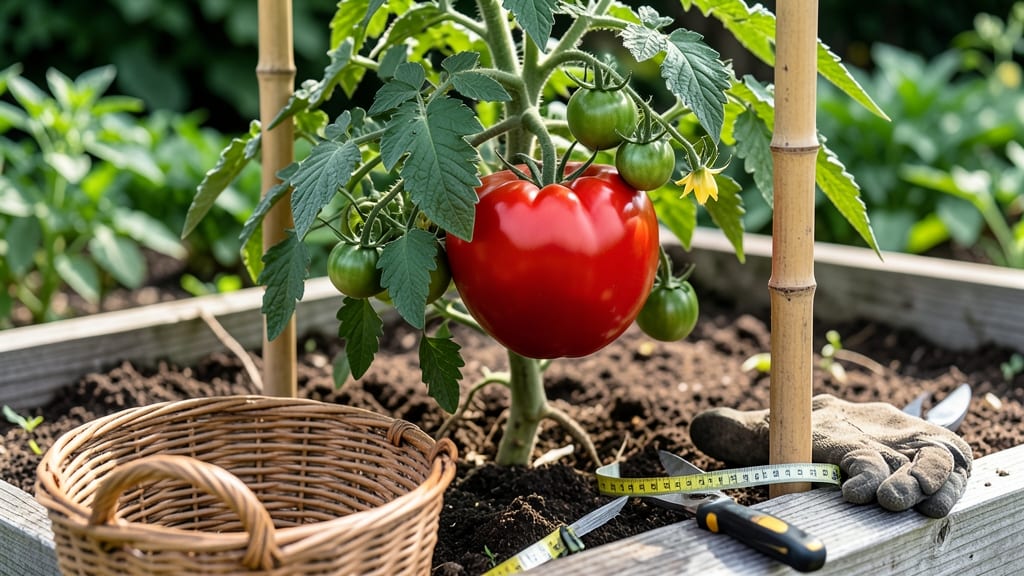
The largest tomato ever grown weighed 3.51 kilograms (7 pounds 10 ounces), grown in 2023 by a Japanese gardener using a hybrid variety and hydroponic techniques. This record-breaking specimen surpassed the previous 3.19 kg mark set in 2016.
The record-setting tomato wasn't just massive—it was a testament to modern horticulture blending traditional breeding with cutting-edge growing methods. 🌱 Japanese gardener Toshio Sakata cultivated this giant using a proprietary hybrid variety designed for extreme size, paired with hydroponic systems that deliver precise nutrients while maintaining optimal moisture levels.
What's fascinating is how these techniques prevent the tomato from collapsing under its own weight, a common issue with oversized produce.
This achievement builds on decades of tomato-growing records, where each new milestone pushes the boundaries of what's possible in controlled environments. The 2023 specimen wasn't just about weight—it demonstrated how selective breeding for disease resistance and structural integrity can create tomatoes capable of reaching nearly 8 pounds without compromising quality.
For home gardeners, this highlights that while you might not grow a record-breaker, the same principles of variety selection and growing conditions can dramatically increase your harvest size.
💡 In This Article
- How Giant Tomatoes Are Cultivated: Techniques Behind Record-Breaking Growth
- Best Giant Tomato Varieties for Home Gardeners
How giant tomatoes are cultivated: techniques behind record-breaking growth
At the heart of growing massive tomatoes lies a carefully orchestrated blend of genetic selection and environmental control. The record-setting 3.51 kg specimen wasn't just lucky—it resulted from using hybrid varieties bred specifically for extreme size while maintaining structural integrity.
These hybrids combine traits from multiple parent plants, including disease resistance and thicker cell walls to support the weight.
The Japanese gardener who grew this tomato used a proprietary strain developed over years of selective breeding, focusing on vines that could produce single fruits weighing 10x more than standard supermarket tomatoes.
Hydroponics plays a crucial role by delivering nutrients directly to the plant's roots in precise concentrations. Unlike soil-based growing, this method eliminates nutrient competition and allows growers to tailor the fertilizer mix to promote rapid, uniform growth.
The system maintains a consistent pH level of 5.8-6.2 and temperature around 75-80°F, both critical for maximizing fruit development. What's particularly fascinating is how hydroponics prevents the common issue of blossom-end rot—a calcium deficiency that often plagues oversized tomatoes—by ensuring constant calcium availability.
Pruning techniques are equally vital, as they redirect the plant's energy toward fewer, larger fruits. The record tomato's vine was heavily pruned to remove side shoots, leaving only the main stem and primary branches.
This creates an "open center" that improves air circulation and sunlight penetration, reducing disease risk while allowing the remaining fruits to grow unimpeded.
The gardener also employed a technique called "topping," where the main stem is cut back to encourage lateral growth and fruit set at optimal nodes—this can increase individual fruit size by up to 40%.
Climate control extends beyond temperature to include humidity levels maintained at 60-70% to prevent cracking and ensure even water distribution. Advanced grow lights with a 16-hour photoperiod simulate long summer days, triggering continuous flowering.
The combination of these factors creates an environment where the tomato plant can focus all its resources on producing one extraordinary fruit rather than multiple smaller ones. 🌿
Fertilization follows a carefully timed schedule, with nitrogen-heavy feeds during vegetative growth transitioning to phosphorus and potassium-rich formulas as flowering begins. Microelements like magnesium and boron are added in trace amounts to prevent deficiencies that could limit growth.
The entire process requires constant monitoring, as even slight imbalances can lead to stunted growth or poor fruit quality. What's remarkable is how these techniques prevent the tomato from becoming a hollow shell—its dense, meaty interior remains firm and flavorful despite its massive size.
For comparison, the average supermarket tomato weighs just 120-150 grams, while the record-breaker was 23x heavier. This demonstrates that while home gardeners may not achieve such extremes, applying even a few of these principles—like selecting large-fruited varieties and maintaining consistent moisture—can significantly boost tomato size.
The key insight is that giant tomatoes aren't about luck; they're the result of precise science applied to an age-old crop.