
Plants
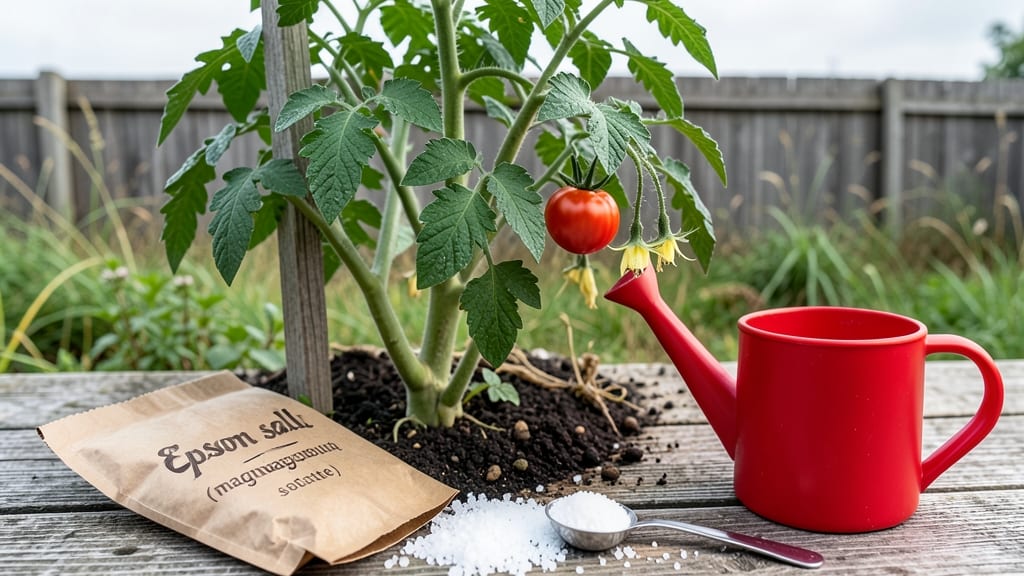
Epsom salt is good for tomato plants when used correctly, as it supplies magnesium and sulfur for vibrant foliage and fruit development, but excessive use can disrupt soil chemistry and harm plant roots. Apply it carefully—1 tablespoon per gallon of water—only during flowering or fruiting stages.
Epsom salt works because magnesium is a key component of chlorophyll, the compound that gives leaves their green color and powers photosynthesis. 🌱 When tomato plants lack magnesium, older leaves often develop yellow patches between veins—a classic deficiency sign.
Sulfur, also present in Epsom salt, helps plants produce enzymes that fight pests and diseases. However, the real magic happens when you apply it correctly: as a foliar spray or diluted soil drench during critical growth phases.
What many gardeners don't realize is that Epsom salt isn't a complete fertilizer—it lacks nitrogen, phosphorus, and calcium. That's why I recommend pairing it with compost or balanced fertilizer for best results.
For container-grown tomatoes, I've found that monthly applications during the growing season prevent deficiencies without overloading the soil. Just remember: more isn't better when it comes to Epsom salt.
💡 In This Article
- Magnesium and Sulfur: How Epsom Salt Boosts Tomato Plant Health
- Safe Epsom Salt Application Methods for Tomato Gardens
Magnesium and sulfur: how Epsom salt boosts tomato plant health
Magnesium acts as the central atom in chlorophyll molecules, which is why it's essential for photosynthesis—the process that converts sunlight into energy for your tomato plants. When magnesium levels drop below 0.2% of the plant's dry weight, you'll notice interveinal chlorosis (yellowing between leaf veins) starting on older leaves first.
This happens because magnesium is mobile within the plant, so it gets "recycled" from older leaves to newer growth when supplies are low. 🌿 Epsom salt's high solubility (about 71% magnesium sulfate by weight) means it dissolves quickly in water, allowing roots to absorb magnesium efficiently within 24-48 hours of application.
Sulfur plays a less obvious but equally critical role in tomato health by helping form amino acids (the building blocks of proteins) and vitamins. It also strengthens cell walls, making plants more resistant to fungal diseases like early blight.
In soil, sulfur exists in both organic and inorganic forms, but plants primarily absorb it as sulfate ions—exactly what Epsom salt provides.
The recommended soil sulfur levels for tomatoes sit between 10-20 ppm, and Epsom salt can help maintain this balance when organic matter breaks down too quickly or when rain leaches sulfur from the soil.
What's fascinating is how these two nutrients work together. Magnesium activates enzymes that incorporate sulfur into essential compounds, creating a synergistic effect. For example, during flowering, magnesium helps produce ATP (the plant's energy currency), while sulfur supports the formation of pollen and fruit development.
This is why gardeners often see improved fruit set and larger tomatoes when they apply Epsom salt during the flowering to fruiting stage—the plant's most metabolically demanding period.
However, the benefits only appear when plants actually need these nutrients. In soils already rich in magnesium (like those with high limestone content), Epsom salt can create an imbalance by increasing magnesium levels while leaving other nutrients like calcium or potassium unchanged.
This is why soil testing before application is crucial—it helps determine whether your tomatoes need magnesium or if they're already getting enough from other sources.
Here's what to watch for: If you apply Epsom salt to healthy plants with no deficiency symptoms, you might see temporary leaf burn around the edges, especially in hot weather. This occurs because the high sulfate concentration can temporarily disrupt the plant's water balance.
To prevent this, always dilute Epsom salt to 1 tablespoon per gallon of water and apply it in the early morning or late afternoon when evaporation rates are lower.
The solubility advantage of Epsom salt becomes particularly valuable in container gardens, where nutrients leach out more quickly.
In raised beds or pots, I've seen magnesium deficiencies develop within 4-6 weeks if no amendments are added, making regular Epsom salt applications a practical solution for urban gardeners with limited soil volume.
Just remember: container soils dry out faster, so always water thoroughly after applying Epsom salt to ensure proper nutrient uptake.
For visual learners, think of magnesium as the "green juice" of your tomato plants—without enough, leaves lose their vibrant color and growth slows, much like how you'd feel without proper nutrients. Sulfur acts like the plant's immune system booster, helping it fend off diseases that could otherwise ruin your harvest.
Together, they create the foundation for healthy, productive tomato plants that yield fruit with that classic sweet-tart balance we all love. 🍅