
Companion Plants
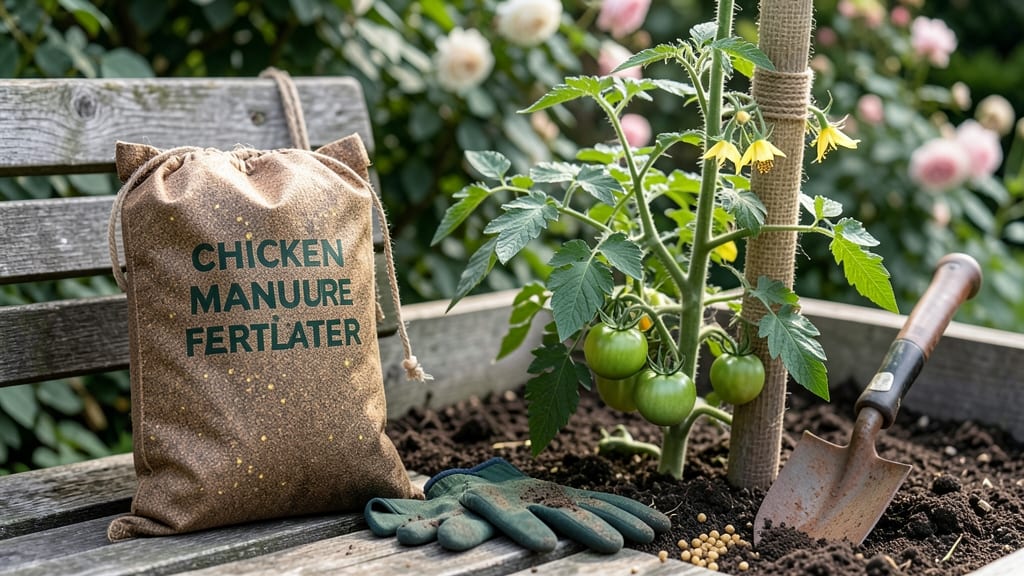
Chicken manure is good for tomato plants when properly composted, providing rich nitrogen and phosphorus for healthy growth, but fresh manure can cause nitrogen burn and disease risks. Always age or compost it before use.
Using chicken manure for tomato plants delivers a nutrient powerhouse—especially after proper aging—since it's packed with nitrogen for leafy growth and phosphorus for root development. 🌱 The key is patience: raw manure's high ammonia content can scorch plant roots and attract pests, while composted manure becomes a gentle, slow-release fertilizer that mimics natural soil enrichment.
I've seen firsthand how properly composted chicken manure transforms struggling tomato plants into vigorous producers within weeks.
For best results, compost the manure for at least 3-6 months before applying, or use it as a "tea" by steeping aged manure in water (1:10 ratio) for 24-48 hours.
This method captures the nutrients while reducing risk. Timing matters too—apply composted manure in early spring when plants are establishing roots, not during flowering when excess nitrogen can delay fruiting.
💡 In This Article
- How Chicken Manure Boosts Tomato Plant Growth
- Safe Application Methods to Prevent Tomato Plant Damage
How chicken manure boosts tomato plant growth
Chicken manure contains an impressive nutrient profile that directly supports tomato plant development. A typical batch has 1-3% nitrogen, 1-2% phosphorus, and 0.5-1% potassium—the essential trio for vigorous growth. The nitrogen fuels leaf production, while phosphorus strengthens root systems and flower development, both critical for tomato plants.
What's unique about chicken manure is its high phosphorus content compared to other animal manures, making it particularly effective for fruiting plants like tomatoes.
The magic happens during composting, where microbial activity transforms raw manure into a safer, more effective fertilizer. During this process, ammonia (which can burn plant roots) converts into nitrates through a process called nitrification, performed by soil bacteria.
Composting also breaks down complex organic matter into humus, which improves soil structure by increasing water retention and aeration—ideal for tomato plants that need consistent moisture without waterlogging. The final composted product has a pleasant earthy aroma and a crumbly texture, unlike the pungent, sticky fresh manure.
Beyond nutrients, composted chicken manure introduces beneficial microorganisms that outcompete harmful pathogens in the soil. These microbes help suppress diseases like early blight and fusarium wilt, which are common tomato plant threats.
The improved soil biology also enhances nutrient uptake efficiency, meaning your tomato plants can access more of what they need with less waste. This is why gardeners often see healthier plants with fewer deficiencies when using well-aged chicken manure compost.
For visual comparison, imagine two tomato plants side by side: one growing in fresh chicken manure and one in composted. The fresh manure plant might show yellowing leaves from nitrogen burn, while the composted version displays deep green foliage and robust stems.
The difference comes down to how the nutrients are delivered—slowly and safely in composted form versus aggressively in raw manure. 🌿
What most people don't realize is how the composting process also reduces the salt content in chicken manure. Fresh manure contains high levels of soluble salts that can disrupt soil chemistry, but composting leaches these out through the addition of water and microbial activity.
This makes the final product gentler on plant roots while maintaining its nutrient benefits. The result is a fertilizer that mimics natural soil fertility without the harsh side effects.
Consider the nutrient ratios in different manures: cow manure typically has lower nitrogen (0.5-1%) but more potassium, while chicken manure's higher nitrogen and phosphorus make it particularly well-suited for leafy growth and fruiting.
This is why experienced gardeners often blend chicken manure with other compost materials to create a balanced fertilizer that supports all stages of tomato plant development, from seedlings to mature plants bearing fruit.