
Companion Plants
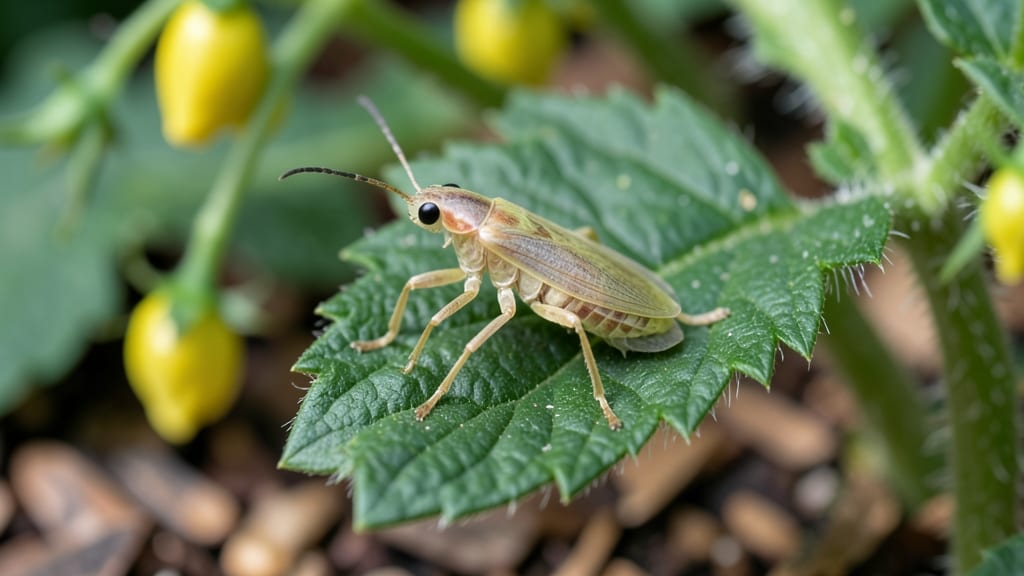
How to protect tomato plants from insects without chemicals is easier than you think—especially when you use these natural barriers before pests strike. 🌱 I've lost entire vines to hornworms and aphid swarms—until I discovered these natural barriers that actually work without chemicals. The secret isn't complicated: row covers, companion planting, and early monitoring stop pests before they become a problem. My plants now stay lush and productive all season, with minimal effort. You'll see fewer chewed leaves, more flowers, and tomatoes that actually make it to harvest. Start with physical barriers like lightweight row covers for young plants, then add repellent companions like basil and marigolds. The key is acting before pests get established—once they do, organic sprays become your last resort. This works for backyard gardens, containers, or even small urban plots. Let's keep those tomatoes safe!
📚 In This Guide
- What you need
- Instructions
- Tips and common mistakes
- Wrapping up and next steps
What you need
- ● Neem oil (100% pure, cold-pressed): 1–2 oz (for a 1-gallon spray solution). Look for organic brands like Bonide or Garden Safe.
- ● Insecticidal soap (potassium salts-based): 1–2 tbsp per gallon of water. Brands like Dr. Bronner’s or Safer Brand work well.
- ● Diatomaceous earth (food-grade, fine powder): 1–2 cups. Choose Safer Brand or Earth’s Alive for best results.
- ● Spray bottle or garden sprayer (1–2 gallons capacity): A trigger-style sprayer (like Chapin) is ideal for even coverage.
- ● Row covers (floating fabric): Lightweight frost cloth or insect netting (1.5–2 oz/sq. yd. density). A 3x6 ft. sheet covers ~18 sq. ft. of plants.
- ● Companion plants (pre-planted or seeds): Basil (6–10 plants per 100 sq. ft.)
- ● Marigolds (5–10 plants per 100 sq. ft.)
- ● Nasturtiums (3–5 plants per 10 sq. ft.)
- ● Garlic or chives (3–5 bulbs/transplants per 10 sq. ft.)
- ● Gloves (nitrile or cotton): To protect your hands when handling DE or sprays.
- ● Pruning shears: For trimming affected leaves or companion plants.
- ○ Stakes or cages (optional but helpful): To support tomato plants if using row covers.
- ● Beneficial nematodes (Phytophthora species): 1–2 million per 1,000 sq. ft. for soil-dwelling pests like hornworms.
- ● Ladybugs or lacewing larvae: 50–100 per 100 sq. ft. to prey on aphids and whiteflies.
- ● Copper tape (1-inch wide): To wrap stems and deter slugs/snails.
- ● Beeswax or soap flakes: 1 tbsp per gallon of water to boost homemade spray effectiveness.
- ● Reflective mulch (silver plastic): To confuse flying insects like whiteflies.
Step-by-Step instructions for creating natural barriers against tomato pests
Here's my battle-tested approach to keeping tomato plants thriving without toxic sprays.
🌿 Step 1: Create Physical Barriers with Row Covers and Collars
Start with floating row covers made of lightweight fabric to block flying insects like whiteflies and aphids. Secure them with bricks or stakes at the edges, leaving just enough space for pollinators to access flowers. I always use 12-inch tall collars made from cardboard or plastic around young plants to prevent cutworms from climbing up stems.
For established plants, wrap paper collars around the base and bury them 1 inch deep in soil. This simple barrier stops cutworms and slugs from reaching the stems. Remember, these barriers need to stay dry—if they get wet, they'll rot and lose effectiveness.
🪴 Step 2: Set Up Companion Planting for Natural Defense
Interplant tomatoes with basil, marigolds, or nasturtiums to repel pests naturally. Basil confuses tomato hornworms with its scent, while marigolds release compounds that deter nematodes. I space my companion plants 12-18 inches away from tomatoes to maximize their protective effect without competing for nutrients.
For underground threats like root-knot nematodes, mix 1 cup of sand with 1 tablespoon of diatomaceous earth around the base of each plant. This gritty barrier disrupts nematode movement while allowing water and air to penetrate the soil.
💧 Step 3: Implement Water-Based Deterrents
Create a soapy water spray using 1 tablespoon of mild castile soap per gallon of water. Spray this solution on the top and bottom of leaves in the early morning to deter aphids and spider mites. The soap disrupts their waxy coating while being safe for beneficial insects when used correctly.
For slugs and snails, set up beer traps by burying shallow containers filled with beer. These pests are attracted to the liquid and drown within hours. I refresh the beer every 3-4 days to maintain its effectiveness, especially after rain when slug activity peaks.
☀️ Step 4: Use Reflective Mulches and Traps
Spread silver or aluminum mulch around the base of plants to reflect sunlight and confuse pests like whiteflies. The reflective surface disrupts their ability to locate tomatoes, while also increasing soil temperature slightly to encourage faster growth. I use 1 square foot of mulch per plant for best results.
Hang yellow sticky traps near the plants to catch flying insects like whiteflies and aphids. Place them 18-24 inches above the foliage where pests tend to congregate. Check traps every 2-3 days and replace them when they become clogged with insects.
✂️ Step 5: Monitor and Maintain Barriers Regularly
Inspect plants every 2-3 days for signs of pest activity, particularly on the undersides of leaves where many insects hide. Remove any damaged foliage immediately to prevent spread. I always carry a small pair of pruning shears and a bucket of soapy water when checking plants to handle any pests I find.
Reapply physical barriers after heavy rain or wind, as they can become dislodged. For companion plants, prune them lightly to maintain airflow and prevent fungal issues. This ongoing maintenance ensures your natural defenses stay effective throughout the growing season.
Tips & tricks for natural tomato pest protection
These battle-tested strategies will help you maintain your garden's defenses without relying on harsh chemicals.
Barrier Placement Precision: When installing the 12-inch tall collars around young plants in Step 1, bury the bottom edge just enough to prevent cutworms from crawling up while leaving the top open for pollinators. I've found that using a small shovel to create a shallow trench around the base creates a more secure barrier against climbing pests. For established plants, make sure the paper collars extend at least 1 inch above soil level to block slugs effectively.
Companion Plant Timing: In Step 2, plant your basil, marigolds, or nasturtiums at the same time you transplant your tomato seedlings. This simultaneous growth ensures the companion plants establish themselves quickly and provide immediate protection. I've noticed that when companion plants are spaced exactly 12-18 inches away, they create an optimal protective zone without competing for nutrients from the tomatoes.
Soapy Water Application Technique: When applying the soapy water spray in Step 3, focus on the undersides of leaves where most pests hide. I recommend using a handheld sprayer with a fine mist setting to ensure even coverage. The key is to apply it in the early morning when temperatures are cooler—this prevents the soap from burning the leaves and gives it time to dry before the sun intensifies. Always test a small area first to ensure your plants tolerate the solution.
Reflective Mulch Placement: For Step 4, position the silver or aluminum mulch around the base of plants rather than directly touching the stems. This creates a reflective barrier that confuses pests while allowing air to circulate around the plant. I've found that using 1 square foot of mulch per plant creates an effective perimeter without overheating the soil. The reflective surface also helps deter pests by disrupting their visual cues for locating the plants.
Pro Tips for Protect Tomato Plants From Insects
- These battle-tested strategies will help you maintain your garden's defenses without relying on harsh chemicals.
- Barrier Placement Precision: When installing the 12-inch tall collars around young plants in Step 1, bury the bottom edge just enough to prevent cutworms from crawling up while leaving the top open for pollinators.
- Companion Plant Timing: In Step 2, plant your basil, marigolds, or nasturtiums at the same time you transplant your tomato seedlings.
Frequently asked questions
Got questions about keeping those pesky pests off your tomato plants? You’re not alone!
Here are some of the most common concerns—and practical answers—to help you grow thriving, bug-free tomatoes with ease.
What are the most common tomato plant pests I should watch for?
The top troublemakers include hornworms (those green caterpillars that munch leaves overnight!), aphids (tiny clusters sucking sap), whiteflies (tiny white bugs fluttering when disturbed), and tomato fruitworms (larvae burrowing into fruit). Early detection is key! Check leaves and stems regularly, especially after rain or when plants are stressed.
When is the best time to start using natural pest control methods?
Start preventively as soon as seedlings sprout—before pests arrive! Use companion plants like basil, marigolds, or nasturtiums near your tomatoes to deter insects. If pests show up, act fast: neem oil or soapy water sprays work best in the early morning or evening (when bees aren’t active) for immediate relief.
Can I use companion plants to protect tomatoes, and which ones work best?
Marigolds
repel nematodes and aphids with their strong scent, while basil deters whiteflies and thrips. Nasturtiums lure aphids away, and garlic or onions keep pests at bay with their pungent aroma. Pro tip: Plant them around the edges of your tomato patch, not directly next to them, to avoid competition for nutrients.
How often should I spray tomato plants with natural insecticides?
For neem oil or soapy water sprays, apply every 7–10 days during peak pest season (spring to early fall). If pests are severe, spray every 3–4 days until they’re gone. Always reapply after rain—water washes away natural defenses! Diatomaceous earth (food-grade) can be sprinkled around the base weekly for extra protection.
What should I do if my tomato plants already have holes or chewed leaves?
Don’t panic! First, remove damaged leaves and dispose of them (don’t compost—pests may return). Then, handpick larger pests like hornworms (drop them in soapy water). Follow up with a BT (Bacillus thuringiensis) spray for caterpillars or horticultural oil for sucking insects. Boost plant health with balanced fertilizer to help tomatoes recover faster.
Are there any homemade sprays that work as well as store-bought ones?
Yes! Try these DIY powerhouses:
- Garlic-chili spray: Blend 2 garlic cloves + 1 tbsp cayenne pepper in 1 quart water. Strain and spray on leaves.
- Soap spray: Mix 1 tbsp mild castile soap + 1 quart water. Spray directly on pests (avoid flowers to protect pollinators).
- Coffee grounds: Sprinkle used grounds around the base to repel slugs and ants.
Wrapping up and next steps
Protecting your tomato plants from pests doesn’t have to be a battle—just a smart strategy! 🌱 By combining companion planting, organic sprays, and physical barriers, you can keep those hungry insects at bay while nurturing thriving, juicy tomatoes.
Remember, consistency is key, so check your plants regularly and act fast at the first sign of trouble.
Now that you’re armed with these natural, effective methods, it’s time to roll up your sleeves and give your garden the love it deserves. Ready to harvest a bumper crop? Start implementing these tips today—your future tomato sandwiches will thank you! 🍅😉