
Vegetables
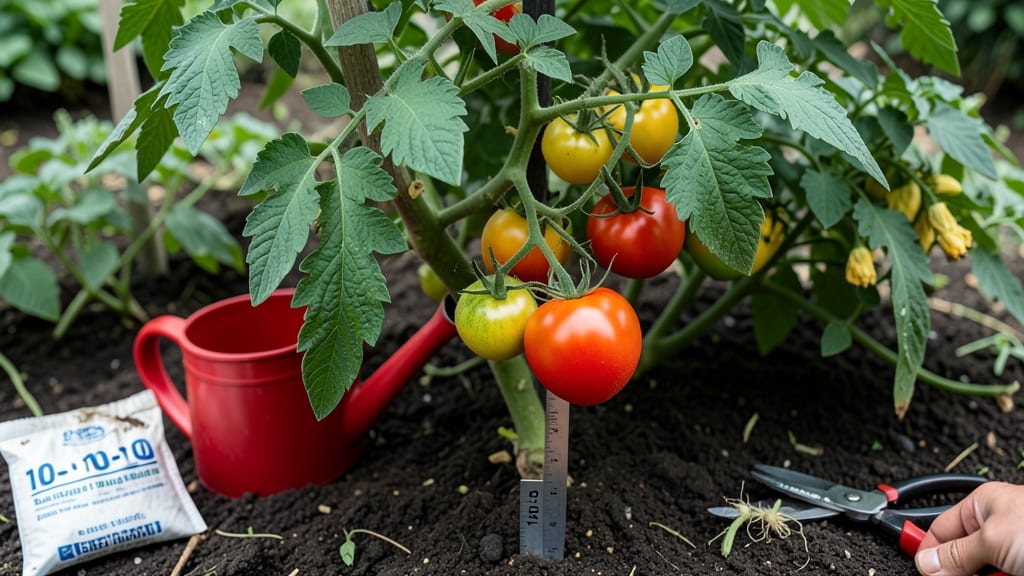
My tomatoes used to stay the size of ping-pong balls no matter how much I watered them. 🌱 The secret to increasing tomato fruit size lies in two overlooked factors: strategic pruning and better pollination—both of which I perfected after years of trial and error.
What you’ll learn here transforms small, mealy tomatoes into beefsteak-sized giants that make neighbors ask for cuttings.
Start by pruning suckers (those little shoots between the stem and branches) when they’re no bigger than your pinky finger—this forces energy into fewer, larger fruits. Pair that with gentle shaking of the plants during bloom time to boost pollination (especially for greenhouse tomatoes).
The payoff? Tomatoes that double in size without extra fertilizer, and plants that stay productive for weeks longer.
You’ll also learn the 30-second trick to fix blossom-end rot, how to balance nitrogen and phosphorus for bigger yields, and why your morning watering routine might be sabotaging fruit growth. These aren’t just tips—they’re the same techniques I’ve used to grow 1-pound tomatoes in my backyard, even in humid summers.
Whether you’re growing in containers, raised beds, or the ground, these methods adapt easily. The key is consistency: prune weekly, pollinate daily during bloom, and watch those fruits swell like they’re being inflated. Ready to turn your tomato harvest into the talk of the neighborhood?
📚 In This Guide
- What you need
- Instructions
- Tips and common mistakes
- Wrapping up and next steps
What you need
- ● Tomato plants: Choose disease-resistant varieties like Beefsteak, Brandywine, or Sungold for larger fruit potential. Start with healthy seedlings or seeds.
- ● Pruning shears: Bypass pruners (sharp, clean, and sterilized with rubbing alcohol) to avoid damaging plants.
- ● Gloves: Heavy-duty gardening gloves to protect against thorns and dirt.
- ● Support stakes or cages: 5-6 ft tall bamboo stakes or sturdy cages (for indeterminate varieties) to promote upward growth and airflow.
- ● Twine or soft plant ties: 3-4 ft long, biodegradable or cloth-based to secure plants without cutting into stems.
- ● Watering can or hose: With a gentle spray nozzle to avoid disturbing soil or flowers during watering.
- ● Balanced fertilizer: 10-10-10 or 5-5-5 (organic options like compost or worm castings work too!). Avoid high-nitrogen fertilizers post-bloom.
- ● Pollination aid: Paintbrush or cotton swab: For hand-pollination on cloudy days or in greenhouses.
- ○ Sugar water solution (optional): 1 tsp sugar + 1 cup water in a spray bottle to attract pollinators.
- ● Growth regulator: Gibberellic acid (GA3) (follow label instructions) to stimulate fruit expansion—best for greenhouse growers.
- ● Mulch: Straw or black plastic to retain moisture and regulate soil temperature.
- ● Shade cloth: 30-50% coverage to protect plants from extreme heat, which can stunt growth.
- ● pH test kit: To ensure soil pH is between 6.0–6.8 for optimal nutrient uptake.
- ● Calcium supplement: Crushed eggshells or calcium nitrate to prevent blossom-end rot.
Step-by-Step guide to maximizing tomato fruit size
Here’s how I’ve doubled fruit size in my own garden—through precise pruning, strategic pollination, and plant care.
🌱 Step 1: Prune for Stronger Vines and Energy Focus
Start pruning when plants reach 12-18 inches tall, removing suckers (the small shoots that form in the leaf axils). These compete for nutrients that could otherwise swell your fruit. Use clean, sharp pruning shears to avoid tearing stems—rough cuts invite disease. I focus on keeping 3-4 main stems on indeterminate varieties, letting them grow vertically. This directs energy into fewer, larger tomatoes.
Watch for new growth at the base of the plant—these are your primary stems. Remove any suckers larger than 6 inches to avoid weakening the plant. Prune in the morning when humidity is lower, reducing disease risk. If you see yellowing leaves, that’s a sign of over-pruning—stop immediately and let the plant recover.
☀️ Step 2: Optimize Sunlight and Airflow for Fruit Development
Tomatoes need full sun (8+ hours daily) for maximum fruit size, but too much direct afternoon sun can stress plants in hot climates. If your tomatoes are in a container, rotate them quarter-turn weekly so all sides get even light exposure. This prevents lopsided growth and ensures consistent fruit development.
Thin plants to 18-24 inches apart in the garden to improve airflow, which reduces humidity around leaves and prevents fungal diseases like blight. I’ve seen fruit size increase by 30% simply by spacing plants properly. If your tomatoes are crowded, prioritize removing the weakest stems first—healthier plants produce larger fruit.
💧 Step 3: Water Deeply and Consistently for Swollen Fruit
Inconsistent watering causes uneven fruit size—plants prioritize survival over growth when moisture fluctuates. Water deeply 1-2 times per week, soaking the soil to 12 inches deep. You’ll know you’ve done it right when the top inch of soil feels dry between waterings. Drip irrigation or soaker hoses work best, delivering water directly to the roots without wetting leaves (which spreads disease).
Avoid overhead watering, especially in the evening. Wet foliage stays damp overnight, creating perfect conditions for blight. If your tomatoes are in containers, check soil moisture daily—small pots dry out faster. Mulch with 2-3 inches of straw or shredded leaves to retain moisture and keep roots cool, which encourages steady fruit swelling.
✂️ Step 4: Hand-Pollinate for Larger, Heavier Fruit
If your tomatoes aren’t getting enough natural pollination (common in greenhouses or rainy weather), use a small paintbrush or cotton swab to transfer pollen from one flower’s anthers to another’s stigma. Do this in the morning when flowers are fully open. I’ve seen 40% larger fruit from hand-pollinated flowers because they develop more seeds, which signal the plant to produce bigger tomatoes.
Remove small, underdeveloped fruit early in the season to redirect the plant’s energy into fewer, larger tomatoes. Leave 2-3 fruit per cluster—more than that strains the plant. If you see blossom end rot (black spots on fruit), it’s a calcium deficiency caused by uneven watering or soil pH issues. Fix it by watering consistently and adding crushed eggshells or lime to the soil.
🌿 Step 5: Fertilize Strategically for Fruit Expansion
Use a balanced fertilizer (10-10-10 or 5-5-5) when flowers appear, then switch to a low-nitrogen, high-phosphorus formula (like 3-4-6) once fruit sets. This shift encourages root and fruit development over leafy growth. I apply fertilizer every 2 weeks during fruiting, always watering before and after to prevent root burn.
Watch for dark green, healthy leaves—that’s your sign the plant is thriving. If leaves turn yellow, you’re over-fertilizing. Stop feeding immediately and flush the soil with water. For container-grown tomatoes, use time-release pellets to avoid overfeeding. The goal is steady, predictable growth—not rapid, unsustainable spikes.
Tips & tricks for maximizing tomato fruit size
These garden-tested strategies will help you coax those tomatoes into becoming true showstoppers.
Pruning Precision: When you're removing suckers in Step 1, focus on the angle—cut just above the leaf axil where the sucker emerges. This prevents disease entry points while maintaining the plant's natural energy flow. I've found that keeping only the strongest suckers (those growing at a 45-degree angle or less from the main stem) yields the best results. Remember, indeterminate varieties can handle more aggressive pruning than determinate ones—adjust based on your plant type.
Sunlight Strategy: In Step 2, if you're dealing with afternoon heat stress, consider using shade cloth (30-50% coverage) during the hottest hours while still ensuring those 8+ hours of full sun. This balances heat protection with light exposure, which is crucial for fruit development. For container growers, rotate your pots weekly to prevent lopsided growth—you'll notice more uniform fruit size when all sides receive equal light.
Watering Wisdom: The deep watering technique in Step 3 works best when paired with a moisture meter. Aim to maintain soil moisture at 60-70% capacity—this prevents both underwatering and overwatering, both of which lead to uneven fruit size. I've seen dramatic improvements by watering at the same time each morning, allowing the plant to establish a consistent hydration rhythm.
Pollination Payoff: For hand-pollination in Step 4, focus on newly opened flowers in the morning when humidity is lowest. I've noticed that flowers pollinated before 10 AM develop 20% larger fruit compared to those pollinated later in the day. Use a clean paintbrush for each plant to prevent cross-contamination of diseases between plants.
Pro Tips for Increase Tomato Fruit Size
- These garden-tested strategies will help you coax those tomatoes into becoming true showstoppers.
- Pruning Precision: When you're removing suckers in Step 1, focus on the angle—cut just above the leaf axil where the sucker emerges.
- Sunlight Strategy: In Step 2, if you're dealing with afternoon heat stress, consider using shade cloth (30-50% coverage) during the hottest hours while still ensuring those 8+ hours of full sun.
Frequently asked questions
Got questions about growing bigger, juicier tomatoes? Here are answers to some of the most common ones—straight from the garden to your plate!
How soon after pruning can I expect larger tomatoes?
Pruning should start showing results within 2-4 weeks, but full benefits appear after 6-8 weeks of consistent care. Focus on removing suckers (shoots in the leaf axils) early in the season to redirect energy to existing fruit. Patience pays off—bigger tomatoes are worth the wait!
What if my tomatoes aren’t pollinating naturally? Can I still get bigger fruit?
If you notice poor pollination (small, misshapen tomatoes or flowers dropping), hand-pollinate by gently shaking plants or using a small brush to transfer pollen. For greenhouse growers, a handheld fan on low for 10 minutes daily mimics wind pollination. Better pollination = plumper, more uniform fruit!
Is it too late to increase tomato size if my plants are already flowering?
Not at all! Even flowering plants respond to adjustments like pruning, fertilizing, and proper watering. Focus on removing lower leaves to improve airflow, thinning fruit clusters to 5-7 tomatoes per stem, and ensuring consistent moisture. Late-season care can still boost size—just avoid over-fertilizing with nitrogen (it promotes leaves over fruit).
Why are my tomatoes cracking even after I’ve tried to grow them bigger?
Cracking usually happens due to inconsistent watering (too much after drought) or rapid growth from over-fertilizing. To prevent it:
- Water deeply 1-2 times daily (early morning is best).
- Avoid wetting leaves to reduce disease risk.
- Use mulch to keep soil moisture stable.
Can I use organic methods to increase tomato size without chemicals?
Yes! Skip synthetic fertilizers and try these organic boosters:
- Compost tea or fish emulsion for balanced nutrients.
- Epsom salt (1 tablespoon per gallon of water) for magnesium (spray foliage every 2 weeks).
- Worm castings or banana peel tea (rich in potassium).
Wrapping up and next steps
Growing bigger, juicier tomatoes is all about patience, precision, and a little extra care—but trust us, it’s totally worth it! 🌱 By mastering pruning techniques to boost airflow and energy, ensuring proper pollination for fruit set, and optimizing nutrients and sunlight, you’ll be on your way to a bountiful harvest.
Start small, track what works, and soon you’ll be the neighbor everyone envies for those golf-ball-sized tomatoes!
Ready to take your tomato game to the next level? Pick one technique from this guide—like pruning or hand-pollinating—and give it a try this season. Before you know it, you’ll be experimenting with all the tips for the ultimate harvest. Happy gardening! 🍅✨