
How To
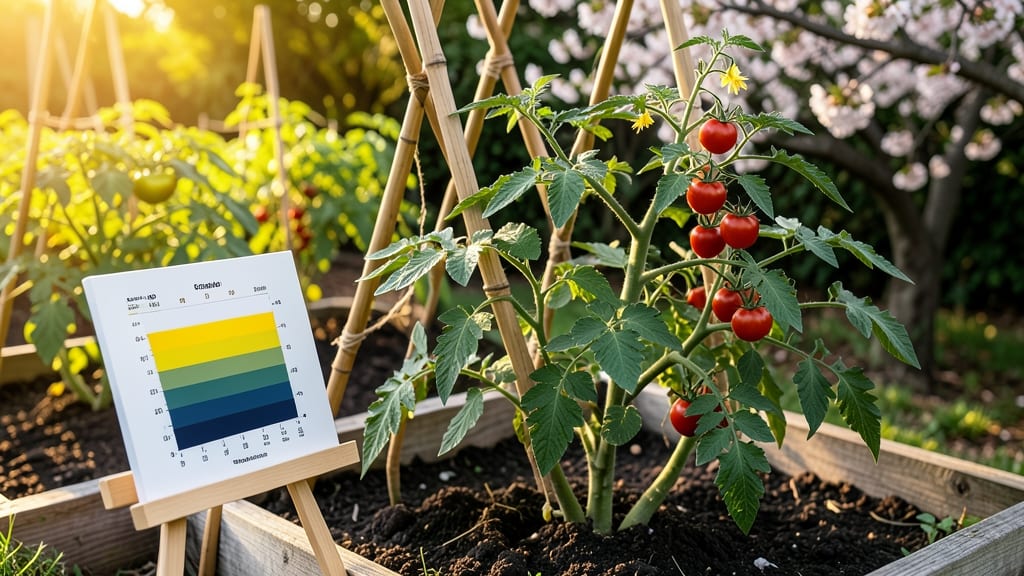
A tomato plant needs how much light does a tomato plant need to thrive? The answer is 6 to 8 hours of direct sunlight daily—less than that, and your harvest will be small and disappointing.
Picture this: you’ve spent weeks nurturing your seedlings, only to watch them stretch toward the light like they’re starving. That’s not just a growth spurt—it’s a desperate cry for more rays. Without enough sunlight, your tomatoes won’t ripen properly, leaving you with pale, tasteless fruit (or worse, none at all).
But here’s the catch: too much sun can be just as harmful. Intense afternoon heat can scorch leaves, leaving your plants stressed and vulnerable. The key is finding that sweet spot—enough light to fuel growth, but not so much that it burns your plants before they reach their full potential.
In this guide, I’ll break down exactly how much light your tomatoes need, how to spot the signs of too little (or too much), and 5 simple tricks to maximize sunlight—whether you’re gardening in a sunny backyard, a shaded patio, or even indoors.
Let’s get those plants soaking up the right amount of light for a bountiful harvest.
 Best Window Placement
Optimal sunlight hours for tomato plants: the science behind fruit production
Tomato plants are sun-worshippers, and their fruit production hinges on getting the right amount of direct sunlight. While most varieties thrive with 6-8+ hours of sunlight daily, the science behind this need goes deeper than just hours—it’s about photosynthesis efficiency and energy storage for those juicy tomatoes.
Without enough light, your plants will struggle to produce the energy needed for robust growth and fruit development.
Sunlight isn’t just about duration—it’s also about intensity. Tomatoes need full-spectrum light, particularly during peak growing hours (10 AM to 4 PM). This is when the sun’s rays are strongest, providing the blue and red wavelengths that drive photosynthesis.
In cooler climates, you might need to adjust for shorter daylight hours, while hotter regions require strategies to prevent sunburn on leaves.
| Tomato Variety | Sunlight Needs (Daily) | Optimal Light Intensity | Seasonal Adjustments |
|---|---|---|---|
| Cherry Tomatoes (e.g., 'Sweet 100') | 6-8 hours | Bright, direct sunlight | Use shade cloth in summer if temps exceed 90°F |
| Beefsteak (e.g., 'Brandywine') | 8+ hours | Full sun exposure | Extend growing season with row covers in spring/fall |
| Dwarf Tomatoes (e.g., 'Tiny Tim') | 6-7 hours | Partial shade tolerance | Ideal for containers near south-facing windows |
| Indeterminate (e.g., 'Sungold') | 8-10 hours | High-intensity light | Supplement with grow lights in cloudy regions |
Note: Adjust for your USDA hardiness zone—northern climates may need longer daylight hours.
To measure sunlight intensity in your garden, use a light meter or observe your plants’ shadows. A good rule of thumb is that if a plant’s shadow is shorter than its height, it’s getting enough light.
For example, a 6-foot tomato plant should cast a shadow no longer than 3 feet at midday. If shadows are longer, your plants may need relocating to a sunnier spot or supplemental lighting.
In cooler climates, like USDA Zones 3-5, tomatoes may need extended daylight to mature fully. Consider using reflective mulch or white surfaces around your plants to bounce extra light onto leaves.
Conversely, in hot climates (Zones 9-11), afternoon shade can prevent leaf scorch, though morning sun is still critical for photosynthesis.
Photosynthesis in tomatoes peaks when leaves receive direct sunlight for at least 6 hours. During this time, chlorophyll absorbs light to convert carbon dioxide and water into glucose and oxygen, fueling growth.
Without sufficient light, plants divert energy to leaf production instead of fruit development, resulting in smaller, fewer tomatoes. Think of sunlight as the plant’s "fuel"—the more it gets, the bigger and sweeter your harvest will be.
For container-grown tomatoes, position pots near south-facing windows or on patios with unobstructed sunlight. Rotate containers weekly to ensure even light exposure, as tomatoes grow toward the light source.
If indoor lighting is insufficient, supplement with a grow light placed 6-12 inches above the plants for 12-14 hours daily. LED grow lights are energy-efficient and mimic natural sunlight spectra.
Seasonal adjustments are key. In spring and fall, when daylight hours are shorter, prioritize south-facing locations or use reflective materials like aluminum foil to redirect light. During summer solstice, provide afternoon shade to prevent heat stress, especially for heat-sensitive varieties like 'Black Krim'.
Monitoring your plants’ response to light—such as leaf color and stem strength—will help you fine-tune their environment for optimal growth.
Remember, tomato plants are not one-size-fits-all. While most need 6-8 hours of sun, some varieties, like indeterminate types, thrive with up to 10 hours. Pay attention to your specific variety’s needs and adjust accordingly.
With the right balance of sunlight, your tomatoes will reward you with vibrant, flavorful fruit all season long.
Signs your tomato plants aren’t getting enough (or too much) light
If your tomato plants look leggy with spindly stems and small leaves, they’re likely starved for sunlight. I’ve seen this happen when gardeners plant tomatoes in shady spots or under tall trees.
Without enough light, plants focus energy on reaching for light instead of producing fruit. Watch for yellowing leaves on the lower stems—this is a classic sign of light deficiency.
On the flip side, too much sun can cause brown, crispy patches on leaves, especially during hot afternoons.
I once overestimated my shade cloth’s effectiveness and ended up with scorched tomato leaves that looked like they’d been singed. Stunted growth or blossom drop can also signal excessive sunlight stress, where plants struggle to keep up with energy demands.
Tomatoes thrive with 6-8+ hours of direct sunlight daily. Less than 6 hours leads to weak, unproductive plants, while partial shade (3-6 hours) may work in hot climates but risks lower yields. Full sun is non-negotiable for optimal fruit size and sweetness.
🌱 Pro Tip: Use a light meter or observe your garden’s sun patterns—tomatoes need morning sun and afternoon shade in extreme heat.
One of my go-to fixes for underlit tomatoes is pruning nearby plants to open up space for sunlight. I also rotate containers every few days to ensure even light exposure on all sides.
For overly sunny spots, a 30-50% shade cloth can save your plants from heat stress while still allowing enough light for growth.
Pay attention to your tomato plant’s growth habit. Healthy plants grow sturdy stems with dark green leaves and plentiful flowers. If yours are bushy but not fruiting, it might be a light or nutrient issue.
I once thought my tomatoes weren’t flowering because of pests—turns out, they just needed more sun! Morning sunlight is especially crucial for pollination.
For container growers, move pots to sunnier locations as the season progresses. I keep mine on a rolling cart so I can adjust their position daily. If you’re in a high-rise apartment, a south-facing window with a grow light supplement can work wonders.
Just ensure the light stays 12-18 inches above the plants to avoid leaf burn.
Finally, mulch your tomato beds to retain moisture and regulate soil temperature—this helps plants handle heat stress better. I use straw mulch because it breaks down slowly and keeps roots cool. Combine this with consistent watering in the morning, and your tomatoes will thank you with bigger, sweeter fruit.