
How To
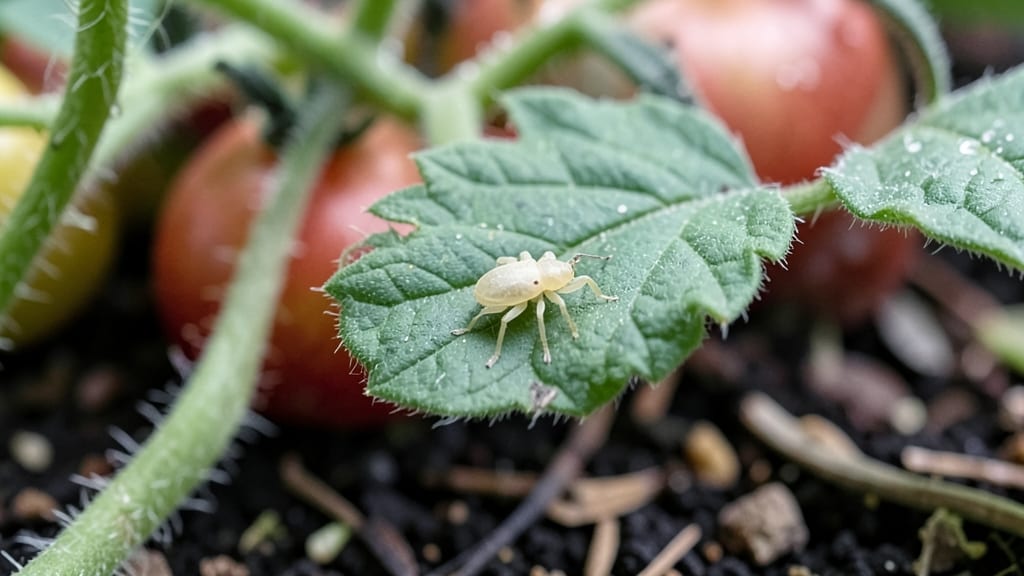
Spider mites on tomato plants turn vibrant leaves into dusty yellow skeletons in just days. 🌿 I’ve battled these tiny pests for years, and this neem oil blend stops them dead—literally—within 3-5 days of application. The key?
Catching them early, using the right mix, and hitting every inch of your plants. Most gardeners fail because they treat the symptoms, not the cause.
Spider mites thrive in dry, dusty conditions, so your first move is to water thoroughly at the base (not overhead) and blast them off with a strong spray from the hose.
Then comes the neem oil treatment—1 teaspoon per quart of water—sprayed in the early morning or evening when mites are least active. You’ll see results fast: new growth stays green, webs disappear, and your tomatoes go from stressed to thriving.
The blend works on other plants too—peppers, cucumbers, even roses—but tomatoes are the most rewarding to save. Prevention is easier than cleanup: mulch heavily, introduce ladybugs, and avoid over-fertilizing. If the infestation spreads beyond your yard, call a pro—some cases need stronger intervention.
Let’s get those plants back to peak health!
Root Causes Of Tomato Plant Infestations
Spider mites don’t just randomly attack your tomato plants—they’re drawn by a mix of environmental stress, poor plant health, and even human habits. Understanding these triggers is the first step to stopping them before they spin webs across your garden.
Let’s break down the real reasons these tiny pests show up uninvited.
Spider mites thrive when conditions mimic their natural desert habitats—dry, hot, and dusty. Your tomato plants may be sending out distress signals without you realizing it:
- Extreme Heat & Low Humidity - Spider mites are 80% water, and when temperatures climb above 85°F (29°C), they dehydrate faster than their predators (like ladybugs or lacewings).
This forces them to feed aggressively on your plants to survive. - Actionable clue: If your leaves feel paper-dry to the touch or crackle when you brush them, mites are likely already moving in.
- Poor Air Circulation - Stagnant air traps heat and dust, creating a mites’ paradise. Crowded plants or dense foliage block airflow, making it harder for natural predators to patrol. - Pro tip: 🌡️ Check your garden’s microclimate—are plants shaded by taller crops?
Are they packed too closely? Prune wisely to improve airflow.
- Dust & Debris Buildup - Dust on leaves (from pollen, soil, or even city grime) clogs stomata—the tiny pores plants use to breathe.
Weakened plants become easier targets for mites. - Quick fix: 💡 Wipe leaves with a damp cloth every 2 weeks during dry spells to remove dust and deter mites.
Healthy tomato plants repel pests naturally through sticky resins, strong cell walls, and even volatile organic compounds (VOCs) that warn neighboring plants. But when your plants are struggling, mites exploit that weakness:
- Over-Fertilization (Especially Nitrogen) - Too much nitrogen = soft, sappy leaves that mites love to pierce.
While lush growth looks great, it’s a mites’ buffet. - Signs: Leaves are dark green and rubbery, with slow fruit development. - Balance it: Shift to a phosphorus-rich fertilizer (like 5-10-10) to boost root strength and pest resistance.
- Water Stress (Over or Under)
- Underwatering: Causes osmotic stress, making plant cells more vulnerable to mite saliva (which disrupts nutrient flow).
- Overwatering: Leads to fungal issues (like powdery mildew), which mites hitchhike on or attract secondary pests.
- Golden rule: 🎯 Water deeply 1–2x/week (depending on climate) and mulch to retain moisture evenly.
- Pesticide Overuse
- Broad-spectrum chemicals (like synthetic pyrethroids) kill beneficial insects first—ladybugs, lacewings, and predatory mites—leaving your tomatoes defenseless.
- Safer swap: Use neem oil or insecticidal soap (targeted treatments that spare good bugs).
Sometimes, well-meaning gardeners accidentally create mites’ welcome mats. Here’s how:
- Bringing Infested Plants Home - Mites hitch rides on new plants, tools, or even wind-blown debris.
If you bought a tomato seedling from a greenhouse with mites, they’ll spread to your whole garden in days. - Prevention: 🔥 Quarantine new plants for 2 weeks and inspect leaves under a magnifying glass before planting.
- Ignoring Early Signs - Mites start with tiny yellow stipples (like pepper damage) on the undersides of leaves.
By the time you see webbing, the infestation is critical. - Spot-check routine: 👀 Inspect 3–5 leaves weekly, especially on the bottom of plants (mites hide in shade).
- Monoculture Gardening
- Planting only tomatoes (or other susceptible crops like peppers/eggplants) creates a mite buffet. Without diversity, predators have nowhere to feed.
- Fix it: Interplant with basil, marigolds, or nasturtiums—these repel mites and attract their natural enemies.
Key Takeaway: Spider mites don’t choose your garden by chance—they’re responding to specific conditions you can control. The good news? Fixing these issues prevents future outbreaks and makes your tomatoes tougher to infestations. Next up: How to flip the script with targeted, mite-killing strategies.
Quick Fixes for Spider Mites
Now that you know what’s inviting those tiny pests to your tomato plants, let’s tackle the problem head-on with solutions tailored to the root cause. Spider mites are sneaky, but with the right approach, you can reclaim your garden—fast!
Below are practical, step-by-step fixes, organized by the most common triggers, plus prevention tips to keep your tomatoes thriving.
Spider mites love weak, crowded plants where they can hide and multiply. If your tomatoes are struggling due to overgrowth or poor air circulation, pruning and spacing are your first line of defense.
🔪 Step 1: Prune Like a Pro
- Remove damaged or yellowing leaves—mites thrive in dry, dusty foliage.
Snip them off with clean scissors and dispose of them in a sealed bag (not the compost!). - Open up the plant by trimming suckers (those little shoots between the stem and branches) to improve airflow.
Aim for a bushy but airy structure. - Thin out crowded vines if your plants are sprawling. Use stakes or trellises to elevate them slightly—this reduces humidity at the base, making it less inviting for mites.
💡 Pro Tip:
🌡️ Water deeply at the base (not overhead) to reduce leaf moisture, which mites hate. Early morning is best—wet leaves in the sun can lead to fungal issues.
Spider mites adore dry, dusty conditions. If your plants are parched or coated in dust (from wind or pollen), they’ll move in faster than a picnic guest at a buffet.
👨🍳 Step 2: Blast Them Off with Water
- Hose them down with a strong stream of water (use a nozzle or sprayer) to knock mites off leaves.
Focus on the undersides—their favorite hiding spot! - Repeat every 2–3 days until the infestation clears. This works best for light infestations but won’t eliminate eggs.
🌧️ Step 3: Increase Humidity (Naturally)
- Mulch around the base with straw or grass clippings to retain moisture in the soil.
- Group plants together (but not too close!) to create a microclimate with higher humidity.
- Mist leaves lightly in the early morning if your area is particularly dry.
Avoid evening misting to prevent fungal growth.
If water and pruning aren’t enough, it’s time to fight back with targeted treatments. The key is to disrupt their life cycle while being gentle on your tomatoes.
🍳 Step 4: Neem Oil Blend (Best for Fast Results)
Neem oil is a powerhouse for spider mites because it:
- Smothers adults on contact.
- Disrupts egg-laying and larval development.
- Repels future infestations with its bitter taste.
How to Apply:
- Mix 1–2 tbsp neem oil + 1 tsp mild soap (like Castile) per gallon of water.
- Shake well and spray thoroughly on all leaf surfaces, especially undersides.
- Reapply every 5–7 days for 2–3 weeks to break the mite life cycle.
- Avoid spraying in direct sunlight (can burn leaves)—do it in the early morning or evening.
💡 Pro Tip: 🔥 Add garlic or chili pepper spray (1 crushed garlic clove + 1 tsp cayenne per quart of water) to your neem mix for extra repellent power!
🌿 Step 5: Natural Alternatives
- Insecticidal soap: Spray directly on mites (reapply every 4–5 days). Test on a small leaf first—some tomato varieties are sensitive.
- Horticultural oil: Similar to neem but works well in cooler weather.
Follow label instructions. - Predatory mites (Phytoseiulus persimilis): Release these beneficial mites (available online) to eat spider mites naturally. Best for prevention in greenhouses.
⚠️ Avoid these: Broad-spectrum pesticides (like malathion) can kill beneficial insects and harm your tomatoes. Stick to targeted, organic solutions.
Once you’ve kicked the mites to the curb, lock them out with these long-term strategies:
🌱 Step 6: Plant Smart
- Interplant with mite-repelling herbs: Basil, marigolds, and dill confuse and deter spider mites.
- Rotate crops yearly to prevent soil-borne mite buildup.
- Choose resistant varieties: Some tomato types (like ‘Mountain Merit’ or ‘Defiant PhR’) are bred to resist pests.
🌡️ Step 7: Monitor & Maintain
- Inspect leaves weekly (use a magnifying glass if needed) for tiny webs, speckled leaves, or moving dots.
- Yellow sticky traps near plants can catch mites early.
- Keep your garden clean: Remove weeds and debris where mites hide.
🎯 Step 8: Boost Plant Health
- Fertilize with compost or balanced organic fertilizer (high nitrogen can attract mites, so avoid overdoing it).
- Encourage strong growth with adequate sunlight (6–8 hours/day) and well-draining soil.
- Avoid over-fertilizing with phosphorus—mites love lush, soft leaves!
Final Thought: Spider mites are a nuisance, but with consistent action, you can outsmart them and protect your tomato harvest. Start with pruning and water, then neem oil or soap sprays, and prevent future invasions with smart gardening habits. Your juicy, pest-free tomatoes are waiting! 🍅✨
Frequently asked questions
How do I know if my tomato plants have spider mites?
Look for tiny yellow stipples on leaves (like pepper damage) and fine webbing between branches. Check leaf undersides with a magnifying glass—you’ll spot moving dots (the mites) or speckled patterns. Early signs appear before visible webs form.
Will neem oil harm my tomato plants if I use too much?
Neem oil is safe when used correctly, but never apply in direct sunlight—it can cause leaf burn. Stick to 1–2 tbsp per gallon of water and spray in early morning/evening. Always test a small leaf first, especially on sensitive varieties like cherry tomatoes.
Can I use dish soap instead of insecticidal soap?
No—dish soap can damage plant tissues. Use mild horticultural or insecticidal soap (like Dr. Bronner’s or Safer Brand). Mix 1 tsp per quart of water and spray directly on mites. Always test on a small area first and avoid spraying flowers or fruit.
How long does it take to see results with these treatments?
With consistent treatment (every 5–7 days), you’ll see improvement in 7–10 days. New growth should appear green, and webs will disappear within 2–3 weeks. For severe infestations, combine neem oil with pruning and water blasts for faster results.
What should I do if my tomato plants are already heavily infested?
Start with pruning all damaged leaves and dispose of them in a sealed bag. Then apply neem oil + insecticidal soap blend (repeated every 3–4 days). For extreme cases, consider predatory mites or consult a local extension service for stronger organic options.