
How To
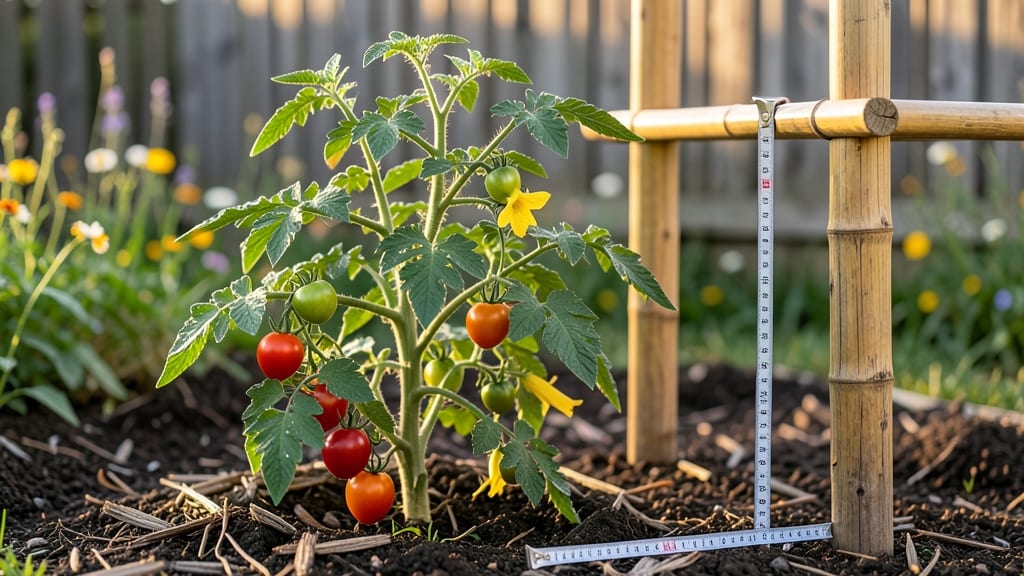
How tall does a tomato plant grow? It can range anywhere from 18 inches to over 6 feet, depending on the variety you choose—so picking the right one for your space can mean the difference between a thriving harvest and a garden full of frustration.
Ever stared at a tiny tomato seedling and wondered how it’ll ever fill your patio or backyard? The truth is, some varieties stay compact enough for a 5-gallon pot, while others need a 10-foot trellis to reach their full potential.
Knowing these heights upfront helps you plan for containers, cages, or even vertical gardens without wasting precious space.
Determinate tomatoes—like the cherry-sized 'Sweet 100'—top out around 3-4 feet and produce all their fruit at once, making them perfect for small spaces. Indeterminate types, such as the sprawling 'Sungold', keep growing until frost, climbing 6+ feet if given support.
The choice you make now will shape your harvest for months to come.
In this guide, I’ll break down the height ranges for the most popular varieties, share space-saving tricks for tall growers, and help you match your garden layout to your tomato dreams—whether that’s a bountiful vine or a neat container plant on your porch.


Tomato plant height by variety: from compact dwarfs to towering giants
When planning your tomato garden, one of the first questions I ask myself is: how tall will this plant really grow? Tomato varieties come in all shapes and sizes, from bushy dwarfs perfect for windowsills to vining giants that need trellises taller than me.
Understanding these differences helps me maximize space and avoid crowded, struggling plants.
The key difference lies in two growth habits: determinate (bush) varieties and indeterminate (vining) varieties. Determinate tomatoes grow to a fixed height and stop when they reach maturity, while indeterminate types keep growing until frost. This distinction alone can change how I design my garden layout and choose support structures.
Let me share some of my favorite compact varieties that never disappoint in small spaces. 'Tiny Tim' is my go-to for containers, reaching just 18 inches tall while producing 4-ounce tomatoes perfect for sandwiches. Similarly, 'Patio Princess' tops out at 24 inches and thrives in 5-gallon buckets on my patio.
On the opposite end of the spectrum, indeterminate varieties like 'Sungold' can grow 6 feet or taller if left unpruned. These vining beauties need strong trellises or cages to support their weight and encourage upward growth.
I've seen 'Brandywine' and 'Cherokee Purple' reach 10 feet in ideal conditions, though they typically grow 6-8 feet with proper pruning.
For semi-determinate varieties, I love 'Celebrity' and 'Better Boy', which grow 4-5 feet tall and produce beefsteak-sized tomatoes. These plants benefit from light pruning and stakes to prevent sprawling, making them ideal for raised beds where I can control their growth direction.
When planning your garden, consider your vertical space as much as your horizontal space. A 6-foot trellis can support multiple indeterminate plants, while a 3-foot cage works perfectly for determinate varieties.
I've even trained cherry tomato vines to climb permanent trellises along my fence, creating a living tomato wall that produces all summer long.
Remember that pruning can significantly affect height. Indeterminate varieties left unpruned will grow taller but may produce fewer fruits. I typically prune my Sungold plants to 5-6 feet to keep them manageable while still getting a bountiful harvest.
For determinate varieties, minimal pruning is needed—they naturally focus their energy on fruit production rather than vertical growth.
If you're new to gardening, start with determinate varieties like 'Roma' or 'Early Girl'. These plants are forgiving and low-maintenance, perfect for beginners. For experienced gardeners, indeterminate varieties offer the reward of continuous harvests throughout the season, though they require more attention to training and support.
No matter which varieties you choose, always check the seed packet or plant tag for mature height estimates. These numbers are your best guide for planning spacing and support structures. And remember, healthy soil and proper care can make even dwarf varieties grow slightly taller than expected!
How to choose tomato varieties based on your growing space
Not all tomato plants are created equal when it comes to height. Your growing space—whether it's a 5-gallon pot on a balcony or a sunny backyard plot—dictates which varieties will thrive.
Indeterminate types like Sungold can reach 6+ feet without proper support, while determinate varieties like Patio Princess stay compact at 2-3 feet. Choosing the right fit saves you from overcrowding, poor airflow, and wasted space.
For container gardening, prioritize bush varieties or dwarf tomatoes that max out at 2-3 feet. These thrive in 5-10 gallon pots with minimal pruning. If you're working with vertical space, indeterminate types shine when trained on trellises or cages, turning sprawling vines into upward-growing powerhouses.
Even small spaces can yield big harvests with the right approach.
Here’s how tomato plant height breaks down by growing method, so you can pick the perfect fit for your setup:
-
🪴 Containers (Pots/Baskets)
Best for: Dwarf or patio varieties (1-3 ft) Examples: Tiny Tim, Patio Princess, Micro Tom Pot size: 5-10 gallons Tip: Use self-watering pots to prevent drought stress.
-
🌿 Vertical Gardening (Trellises/Cages)
Best for: Indeterminate varieties (4-10+ ft) Examples: Sungold, Cherokee Purple, Brandywine Support needed: 6-foot cages or trellises Tip: Prune suckers weekly to direct energy upward.
-
🌱 Ground Planting (In-Ground Beds)
Best for: Both determinate and indeterminate Spacing: 18-24 inches apart (determinate) or 36+ inches (indeterminate) Tip: Mulch heavily to retain moisture and reduce sprawl.
-
🪵 Hanging Baskets (Balconies/Patio)
Best for: Trailing or cherry tomatoes (2-4 ft) Examples: Tiny Tim, Balcony Red, Chocolate Cherry Basket size: 12-18 inches in diameter Tip: Use lightweight pots to avoid wind damage.
If you’re growing indeterminate varieties in limited space, pruning is your best friend. Remove suckers (the shoots between main stems and branches) regularly to encourage upward growth and improve airflow.
This keeps plants 30-50% shorter than their natural height while boosting fruit production. For determinate types, minimal pruning is needed—they naturally stay compact.
Pro tip: Check seed packets or plant tags for mature height estimates before buying. If you’re unsure, start with 1-2 plants of a new variety to test how they perform in your space.
Over time, you’ll learn which heights work best for your sunlight, soil, and climate. Even a small balcony can grow enough tomatoes for salads with the right variety!
Remember, tomato height isn’t set in stone—your care routine (watering, fertilizing, pruning) can influence how tall they grow. With the right variety and support, you’ll maximize your harvest without sacrificing space. Happy growing! 🌱