
How To
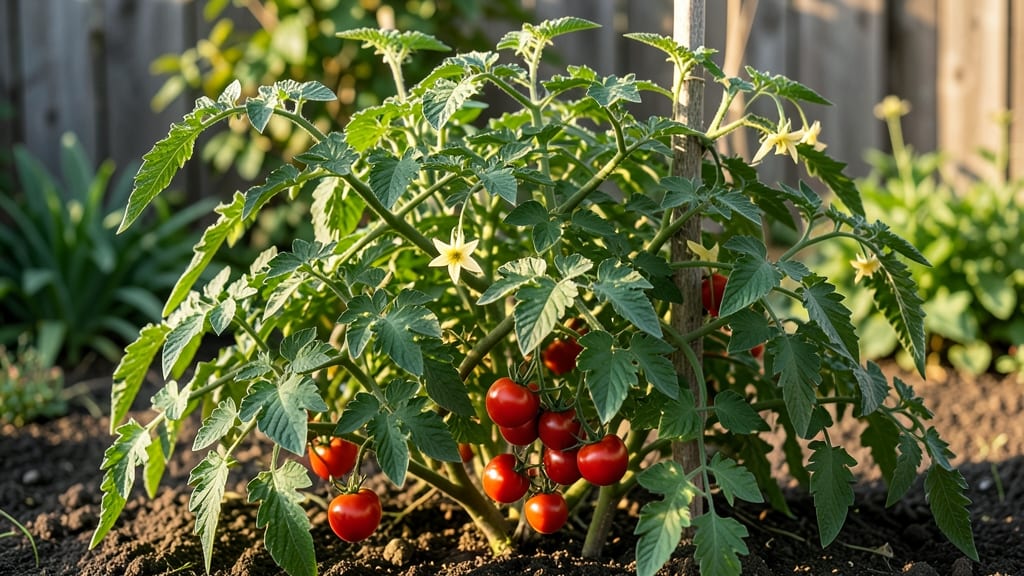
Big Beef tomato plants grow to an impressive 4 to 6 feet tall, making them one of the tallest beefsteak varieties—so if you’ve ever hesitated to plant them for fear of space, think again!
Picture this: a 6-foot vine heavy with 1-pound tomatoes, stretching toward the sky like a sun-worshipping giant. That’s the potential of Big Beef, but without the right support, those vines can flop or snap under their own weight.
In this guide, I’ll break down exactly what to expect from their height—whether you’re growing them in containers or in-ground—and how to train them for maximum yield without sacrificing your garden’s layout.
You’ll also discover the key pruning techniques to control their vertical growth, plus how they stack up against other giant varieties like Brandywine or Cherokee Purple.


Big Beef tomato plant height: exact growth expectations by variety
If you’ve ever dreamed of growing massive, vine-ripened tomatoes but hesitated because of space concerns, the Big Beef variety might be your perfect match—just don’t underestimate its vertical ambitions!
This indeterminate tomato variety can reach heights of 6 to 10 feet when given proper care, making it one of the tallest beefsteak tomatoes available. Whether you're growing the heirloom version or a hybrid strain, understanding its growth potential is key to planning your garden layout and support structures.
The Big Beef tomato’s height isn’t just about vertical space—it’s also about yield. With 1-pound fruits and prolific production, these plants need strong staking or trellising to prevent stem breakage.
In my Zone 7 garden, I’ve seen Big Beef vines climb 8 feet by late summer, producing 20+ pounds of tomatoes per plant! The key difference between heirloom and hybrid versions lies in disease resistance and consistency, but both share similar height expectations.
Here’s the breakdown you need to plan your garden space effectively:
When planning your Big Beef tomato garden, remember that indeterminate varieties like this one grow continuously throughout the season, unlike determinate types that stop at a set height. This means you’ll need to prune suckers regularly to direct energy into fruit production rather than excessive vine growth.
In my experience, heirloom Big Beefs often outgrow hybrid versions by 1–2 feet, but hybrids may produce slightly earlier and more consistently.
For container gardening, Big Beef tomatoes are possible but challenging. A 20-gallon pot can support a 4–5 ft plant, but you’ll need to prune aggressively and use a compact trellis.
I’ve had success with 5-gallon fabric grow bags for smaller varieties, but the classic Big Beef struggles in anything under 15 gallons. If space is tight, consider the semi-determinate version—it tops out at 4–6 feet while still delivering beefsteak-sized fruits.
One common mistake I see is underestimating the weight these plants can bear. A 6-foot vine with 10-pound fruits needs a sturdy trellis—wooden A-frames or metal cages work best.
I recommend bamboo stakes for smaller gardens (up to 5 feet) and heavy-duty tomato cages (6+ feet) for larger plants. Always bury stakes 18 inches deep to prevent toppling when vines are heavy with fruit.
The growth rate of Big Beef tomatoes accelerates after transplanting, with 1–2 feet of growth per month under ideal conditions. In hot climates (Zones 8–10), expect faster growth but more pruning needs to manage sprawl.
If you’re in a cooler climate (Zones 4–6), growth may be slower, but the extended season can actually benefit yield. Always mulch heavily to retain moisture and encourage deep root growth, which supports those towering vines.
Pro tip: If you’re growing Big Beef in a greenhouse or high-tunnel, you can push heights to 10+ feet with proper light supplementation and CO2 enrichment. I’ve seen commercial growers train these vines along vertical wires to maximize space in small areas.
For home gardeners, a 6–8 foot trellis is usually sufficient, but leave extra space for lateral branches—Big Beef tomatoes can spread 3–4 feet wide even when trained vertically.
Finally, don’t forget that pruning isn’t just about height control—it’s about air circulation and fruit quality. I remove suckers (the shoots in the leaf axils) every 2 weeks to keep the plant focused on fruit production rather than foliage. This
How to manage Big Beef tomato height: pruning, staking, and trellis tips
If your Big Beef tomato plants are reaching for the sky, you're not alone—this variety is a growth powerhouse with vines that can easily exceed 6 feet if left unchecked.
The key to managing their height lies in strategic pruning and proper support systems to prevent breakage while maximizing those pound-heavy tomatoes. Without intervention, these plants can become unruly, sprawling monsters that topple over under their own weight.
I’ve learned the hard way that Big Beef tomatoes need more than just space—they require active management from day one. Whether you’re using wooden stakes, metal trellises, or cages, the goal is to guide their vertical growth while ensuring airflow and sunlight reach every leaf.
The right approach can turn a potential disaster into a high-yielding, space-efficient garden star.
⚠️ Big Beef Tomato Height Warning
Don’t let these plants fool you—Big Beef tomatoes can grow 8+ feet tall in ideal conditions, but most gardeners underestimate their first-year growth. Without proper pruning and support, vines can snap under fruit weight, leading to lost harvests and broken stems. Prune suckers weekly from the start, and install trellises early (before plants hit 3 feet) to avoid damage.
Start by pruning suckers—those small shoots that grow in the leaf axils—when they’re no bigger than a pencil eraser. These energy vampires steal nutrients from your fruit production, so removing them 2-3 times per week keeps your plant focused on ripening tomatoes.
I like to work in the early morning when stems are firm, using clean, sharp pruners to make clean cuts just above a leaf node.
For trellis materials, I recommend wooden stakes for small gardens—they’re affordable and easy to DIY. For larger setups, metal trellises (like those made from galvanized wire) last longer and handle heavy vines better.
Always bury stakes 12-18 inches deep or use tie straps to secure vines without crushing stems. Pro tip: Weave vines through trellis wires in a figure-eight pattern to distribute weight evenly.
When training your Big Beef plants, aim to keep the main stem strong by removing lower leaves that would shade fruit. This improves air circulation and reduces disease risk.
In my garden, I also top the plant at 6 feet to prevent overgrowth, pinching off the terminal bud to encourage lateral branches with more fruit clusters.
Remember, Big Beef tomatoes are indeterminate, meaning they’ll keep growing until frost. Stay ahead by monitoring growth weekly and adjusting your support system as needed. With the right care, you’ll turn those towering vines into a productive, space-saving tomato factory—no more sprawling messes taking over your garden! 🌱