
Tools
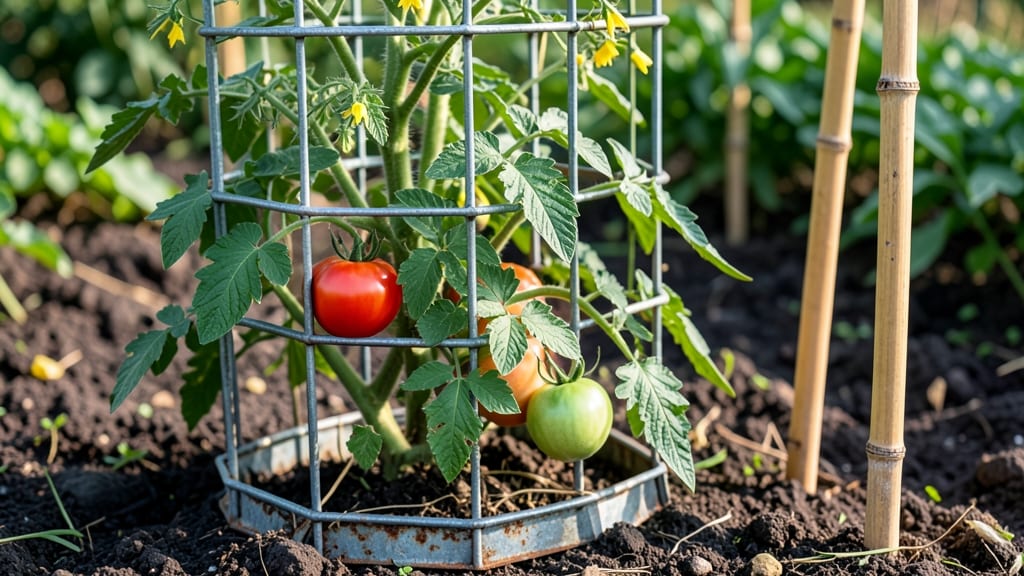
Nothing ruins a tomato harvest faster than heavy-duty tomato cages that bend, rust, or collapse under the weight of 10-pound fruits.
After wrestling with flimsy wire cages that flopped in the first breeze, I discovered heavy-duty tomato cages that actually hold up—no bending, no rust, and no second-guessing when storms roll in.
These aren't your grandma's cages. We're talking galvanized steel or reinforced PVC frames that stand 6-8 feet tall, resist wind, and last 5+ seasons without falling apart.
The key? Choosing the right material for your climate—steel for durability, PVC for lightweight flexibility—and installing them before vines get too heavy to manage.
With proper spacing (3-4 feet apart), your plants will grow straight and strong, not sprawling or snapping under fruit weight. No more leaning cages, no more tangled vines—just a sturdy frame that lets your tomatoes climb where they belong.
The payoff? Bigger harvests with less work, and cages that outlast cheap alternatives by years.
Works for heirlooms, beefsteaks, or cherry tomatoes—any variety that needs serious support. Here's how to pick the right one and install it without hassle.
What Weakens Sturdy Supports
Even the toughest garden supports—like heavy-duty tomato cages—can fail under pressure. Understanding why this happens helps you choose the right setup and prevent costly mistakes. Below, we break down the key reasons these supports collapse, bend, or buckle when they should last all season.
Tomato plants are aggressive growers, and their vines can double in weight as they mature. A 6-foot cage designed for a 10-pound plant may struggle when that same plant swells to 20+ pounds with fruit.
Why it happens:
- Thin or flimsy materials: Cheap metal or plastic cages often lack the gauge thickness (measured in millimeters) to handle heavy loads. A 1mm cage bends under 15 pounds of stress; a 2mm cage may hold 30+ pounds.
- Poor structural design: Cages with wide gaps between supports (e.g., 6" spacing) distribute weight unevenly, causing sagging or snapping at weak points.
- Wind loading: A fully laden plant acts like a sail in windy conditions. Even a 10 mph breeze can exert 5–10 pounds of lateral force on a cage, multiplying stress.
Actionable fix: Opt for cages with 1.5mm+ steel and narrower support spacing (4–5"). For indeterminate varieties, consider reinforced trellis systems or staked cages with guy wires.
Storms, heavy rain, and even strong afternoon breezes can turn a sturdy cage into a Jenga tower. The issue isn’t just the plant’s weight—it’s the dynamic forces acting on it.
Why it happens:
- Lack of anchorage: Most cages rely on friction in the soil, but saturated ground (after rain) reduces grip by 30–50%. A cage that stays upright in dry soil may topple in mud.
- Unbalanced loads: Fruit-heavy vines on one side create a seesaw effect. A 5-pound tomato cluster on a single branch can exert 20+ pounds of torque at the base.
- Material fatigue: Plastic cages crack under UV exposure over time, while thin metal cages develop micro-fractures from repeated bending.
Actionable fix:
- Drive stakes or rebar into the ground and tie cages to them with zip ties or garden twine.
- Choose galvanized steel (not powder-coated) for UV resistance.
- Prune vines to distribute weight evenly and avoid overloading one side.
A cage is only as strong as its foundation. If the soil can’t support it—or if it’s installed wrong—the whole structure becomes a liability.
Why it happens:
- Shallow planting: Cages buried only 2–3 inches deep act like tipping dominoes. For stability, they need 6+ inches of buried support.
- Loose or rocky soil: Sandy or gravelly soil offers little resistance to lateral forces. A cage may lean or collapse when vines push against it.
- Improper spacing: Crowding cages too close together (e.g., <6 feet apart) causes competition for stability, making each cage work harder.
Actionable fix:
- Amend soil with compost or sand to improve grip, or use concrete footings for heavy cages.
- Space cages 3–4 feet apart in rows to prevent leaning.
- For rocky soil, bury a wide base plate (like a metal disc) under the cage to distribute weight.
Pro tip: 🔧 Test your cage’s stability by gently pulling at the top—if it wobbles, reinforce it before planting!
Fixing Common Tomato Cage Failures
Tomato cages aren’t just about aesthetics—they’re lifelines for your plants. But even the sturdiest heavy-duty tomato cages can fail if not used correctly. Below, we’ll tackle the most common issues and show you how to fix them—plus how to keep them standing strong all season long.
Cause: Weak or flimsy materials, overloaded vines, or cages that aren’t tall enough for your tomato variety.
How to Fix It:
- 🔧 Reinforce with Stakes
- Drive a 4- to 6-foot wooden or metal stake into the ground next to the cage.
- Tie the main stem of the tomato plant to the stake with soft plant ties or cloth strips every 12 inches.
- Pro Tip: Use a spiral tomato cage for extra stability—it wraps around the plant like a natural trellis.
- 🌱 Choose the Right Cage Size
- Indeterminate tomatoes (like 'Sungold' or 'Brandywine') need 8-foot cages—standard 5-foot cages will buckle.
- Determinate varieties (like 'Roma') can handle shorter cages (5–6 feet).
- 🍅 Prune Strategically
- Remove suckers (side shoots) to reduce weight on the cage.
- Trim lower leaves to improve airflow and prevent disease—but leave enough foliage to support the fruit.
Prevention:
- 💡 Buy cages labeled "heavy-duty" (galvanized steel or reinforced plastic).
- 🌡️ Install cages early—before the plant gets too top-heavy.
Cause: Shallow planting, wind exposure, or cages not secured to the ground.
How to Fix It:
- 👨🍳 Bury the Base Deeply
- Push the bottom 6–12 inches of the cage into the soil for stability.
- For extra grip, fill the bottom with rocks or gravel before planting.
- 🔪 Tie Down the Cage
- Use zip ties or garden twine to secure the cage to the stake (if using one).
- For windy areas, anchor the cage with a ground stake at a 45-degree angle.
- 🌿 Plant in a Sheltered Spot
- Avoid open, windy areas—place cages near a fence, wall, or other plants for natural windbreaks.
Prevention:
- ✨ Use a wider cage base (like a square or octagonal design) for better balance.
- 🎯 Water the soil deeply before storms to weigh down the base.
Cause: Cheap metal cages left in wet conditions, or cages not treated for outdoor use.
How to Fix It:
- 🔧 Replace Damaged Sections
- If only part of the cage is rusted, cut it off with wire cutters and bend a new piece into place.
- For plastic cages, sand down rough spots and seal with outdoor paint (if needed).
- 🌧️ Store Cages Properly in Off-Seasons
- Hang them upside down in a dry shed or garage.
- Spray metal cages with a rust inhibitor before storage.
Prevention:
- 💡 Invest in galvanized or powder-coated steel cages—they resist rust longer.
- 🌡️ Avoid planting in soggy soil—improve drainage with compost or raised beds.
Cause: Low-quality plastic that warps, or metal that bends under pressure.
How to Fix It:
- 🔥 Reinforce with Additional Supports
- Weave bamboo stakes or rebar through the cage for extra rigidity.
- For plastic cages, add zip ties between sections to lock them in place.
- 🍳 Upgrade to a Sturdy Alternative
- Fabric tomato towers (like A-frame cages) are flexible yet strong.
- DIY wire cages (made from 12-gauge galvanized wire) last for years.
Prevention:
- 🎯 Buy cages with thick, rigid plastic or heavy-gauge wire (14–12 gauge).
- ✨ Avoid cheap, flimsy wire cages—they’ll sag by mid-season.
Final Tip: If your cage still isn’t cutting it, combine it with a trellis system—use the cage for the lower plant and add horizontal wires for the top vines. This distributes weight evenly and keeps your tomatoes climbing high without toppling!** 🍅💪
Frequently asked questions
What’s the best height for heavy-duty tomato cages?
For indeterminate varieties (like Sungold or Brandywine), aim for 7–8 feet—they keep growing all season. Determinate types (Roma, Early Girl) only need 5–6 feet. Pro tip: Measure your tallest tomato plant last year and add 1 foot for extra support!
Can I reuse heavy-duty cages year after year?
Galvanized steel cages last 5+ seasons if stored dry and rust-free. Plastic cages may degrade faster in sunlight—opt for UV-resistant types. Just clean them with a wire brush before storing to prevent corrosion or mold buildup.
How do I prevent cages from leaning in windy areas?
Bury the cage 6–12 inches deep and tie it to a wooden stake with zip ties. For extra stability, add a guy wire (like a bungee cord) to a nearby fence post. Place cages near walls or fences to break wind—never in open spaces!
Are plastic or metal cages better for large tomatoes?
Metal (galvanized steel) wins for heavy loads—it resists bending and lasts longer. Plastic is lighter but may warp under 20-pound tomatoes. For heirlooms, choose 16-gauge steel with 4-inch spacing between wires for maximum support.
How many cages do I need per tomato plant?
One sturdy cage per plant is standard, but for indeterminate varieties, add a second cage or trellis system if vines exceed 6 feet. Space cages 3–4 feet apart in rows to prevent crowding and improve airflow.