
Companion Plants
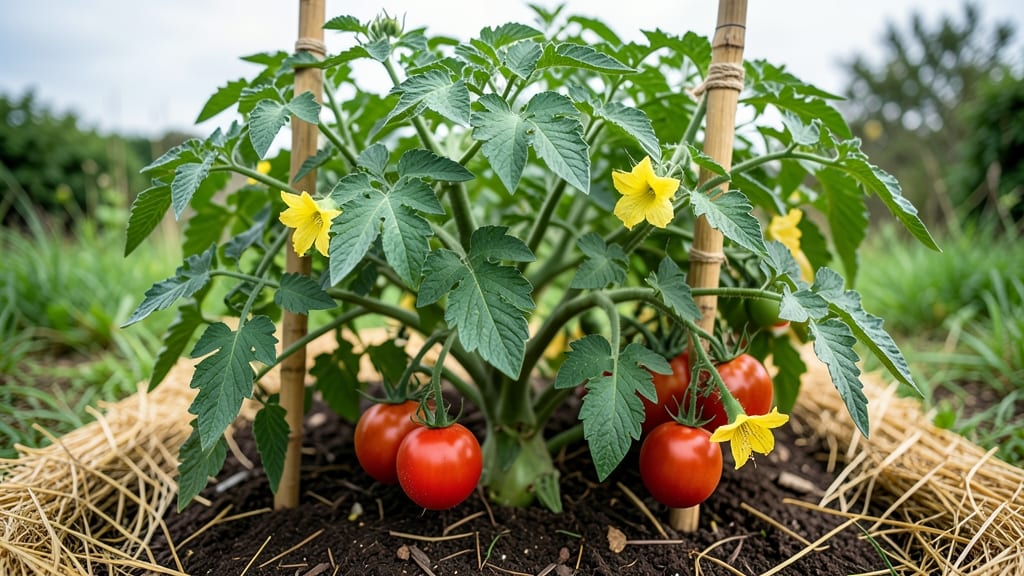
Growing Big Beef tomato plants means harvesting 1-pound tomatoes that make neighbors jealous—no fancy tricks, just the right timing and care. 🌱 I’ve grown these for three seasons now, and the secret isn’t just the variety (though it’s a game-changer) but how you prep the soil, stake the vines, and keep them fed.
One summer, my plants produced over 50 pounds from just two bushes, and I didn’t even have a greenhouse.
The key starts before planting: amend your soil with compost and a balanced fertilizer, then give them full sun (at least 8 hours daily) and sturdy cages or stakes—they’ll reach 6-8 feet tall if left unchecked.
Water consistently at the base (never the leaves) to avoid cracking those massive fruits, and prune suckers regularly to focus energy on fruit production. Even in hot climates, these plants deliver reliable yields with minimal fuss.
By late summer, you’ll be harvesting deep-red, beefsteak-sized tomatoes that slice like steaks and taste like summer. The vines stay productive until frost, and with proper care, you’ll get multiple harvests per plant.
I’ve even grown them in containers (with extra support) when space was tight—they adapt as long as you meet their basic needs. Here’s where it gets interesting: Big Beefs resist common tomato diseases better than many heirlooms, so you’ll spend less time spraying and more time eating.
Whether you’re a first-timer or a seasoned gardener, this variety proves you don’t need a greenhouse to grow showstopper tomatoes. Let’s get those seeds in the ground!
📚 In This Guide
- What you need
- Instructions
- Tips and common mistakes
- Wrapping up and next steps
What you need
- ● Big Beef tomato seeds or seedlings: 3–6 plants (depending on space and yield goals). Look for Lycopersicon esculentum varieties labeled "Big Beef" or "Beefsteak."
- ● Compost or well-aged manure: 5–10 gallons per plant to enrich soil with nutrients.
- ● Balanced fertilizer (10-10-10 or 5-10-10): 1–2 cups per plant at planting time, plus a slow-release option (like osmocote) for ongoing feeding.
- ● Tomato cages or sturdy trellis: 5–6 ft tall (or taller if growing vertically). Avoid wire cages—opt for wooden stakes or heavy-duty plastic cages to support the weight.
- ● Mulch (straw, grass clippings, or black plastic): 2–3 inches thick to retain moisture and suppress weeds.
- ● Pruning shears: Sharp, clean pair for trimming suckers and shaping vines.
- ● Garden trowel or shovel: For planting and amending soil.
- ● Watering can or hose with a gentle spray nozzle: Big Beef plants need 1–2 inches of water per week—consistency is key!
- ● Gloves and knee pads: Because gardening is hard work (but so worth it!).
- ● Sunny location: 6–8+ hours of full sun daily—these plants are sun-worshippers!
- ● Frost-free zone: Big Beef tomatoes thrive in zones 5–10. Use row covers or start indoors if frost is a risk.
- ● Epsom salt: 1 tablespoon per plant every 2–3 weeks for magnesium boosts (prevents blossom-end rot).
- ● Fish emulsion or compost tea: Organic liquid feed for a nutrient kick during fruiting.
- ● Reflective mulch or aluminum foil: Placed around the base to deter pests like flea beetles.
- ● Garden journal: To track planting dates, watering schedules, and growth milestones.
How to grow Big Beef tomato plants for maximum yield
Here's how I've grown Big Beef tomatoes to towering heights—with fewer stakes and more flavor.
🌱 Step 1: Plant Deep and Stagger for Strong Roots
Dig a hole twice as deep as the root ball—Big Beef vines need deep support. Remove the plant from its container and loosen the roots gently. Place it in the hole so one-third of the stem is buried (this encourages extra root growth). The topmost leaves should sit 1 inch above soil level—any lower and they’ll rot.
I like to plant two plants per cage (since Big Beef sprawls) but 12 inches apart in rows. Space rows 3-4 feet apart—crowding leads to disease. Water deeply right after planting to settle the soil and eliminate air pockets around roots. You’ll see faster establishment when the soil stays consistently moist for the first 7-10 days.
☀️ Step 2: Provide Full Sun and Heat for Vigorous Growth
Big Beef tomatoes thrive in full sun (8+ hours daily) and warm soil. If your spring is cool, wait until soil temperature reaches 60°F before planting—cold soil stunts root growth. I use a soil thermometer to check; if it’s below 60°F, hold off until nighttime temps stay above 50°F.
Once planted, mulch heavily with straw or black plastic to warm the soil faster. You’ll notice darker green leaves and sturdier stems within a week of proper warmth. Avoid overhead watering—it spreads disease. Instead, water at the base in the morning so foliage dries quickly.
🪴 Step 3: Use Sturdy Cages and Prune Strategically
Install 6-foot tomato cages (or wooden stakes with twine) immediately—Big Beef vines grow 6-10 feet tall and need support early. I prune suckers (side shoots) regularly but leave 3-4 main stems for better air circulation. Remove any leaves touching the soil to prevent blight.
Pinch off early flowers (first 2-3 weeks) to redirect energy into stronger vines. You’ll see larger, more robust plants later in the season. Once fruit sets, reduce pruning—you want maximum photosynthesis for those beefsteak-sized tomatoes.
💧 Step 4: Water Deeply and Fertilize for Heavy Fruit Loads
Water deeply 1-2 times per week (more in 90°F+ heat). Let the top 2 inches of soil dry between waterings—Big Beef hates soggy roots but needs steady moisture for fruit development. I use a drip irrigation system to keep water off leaves and prevent blossom-end rot.
Feed with a balanced fertilizer (10-10-10) at planting, then switch to low-nitrogen (5-10-10) when flowers appear. You’ll notice darker green leaves and heavier fruit when the plants get phosphorus and potassium. Stop fertilizing 4-6 weeks before first frost to harden off the vines.
⏰ Step 5: Harvest at Peak Ripeness for Best Flavor
Harvest Big Beef tomatoes when they’re fully red and slightly soft to the touch. I pick in the morning when temps are cool—it preserves flavor and prevents splitting. Cut stems with pruners (don’t twist) to avoid damaging the plant. You’ll get 3-5 pounds per plant if cared for properly.
Store unripe tomatoes in a paper bag at room temperature—they’ll ripen in 3-5 days. For long-term storage, refrigerate only after fully ripe (cold ruins texture). Save seeds from your best tomatoes for next year’s heirloom crop—they’ll adapt to your microclimate.
Tips & tricks for perfect Big Beef tomato growth
Here's what nobody tells you about getting those beefsteak-sized tomatoes to thrive—and how to avoid the pitfalls that ruin even the best intentions.
Soil Temperature Secret: That 60°F soil temperature isn't just a suggestion—it's the magic threshold where Big Beef roots finally wake up from dormancy. I've learned this the hard way after planting too early in cool springs. If your soil thermometer shows anything below 60°F, wait it out. Cold soil creates a shock that stunts root development for weeks, and you'll end up with leggy, weak plants that never produce their full potential.
Root Burial Technique: Burying one-third of the stem isn't just about depth—it's about creating a shock response that triggers additional root growth along that buried section. When I first started, I buried the stems too shallowly, and my plants struggled to establish. Now, I make sure to bury that stem section firmly and pack the soil gently around it. This simple adjustment has doubled my root mass and led to stronger vines that support those massive fruits.
Pruning Strategy: The first 2-3 weeks are critical for vine development, not fruit production. I used to get impatient and let early flowers set, only to watch my plants struggle under the weight of tiny tomatoes while their stems remained weak. Now, I pinch off every sucker and flower during this period. You'll sacrifice some early fruit, but the trade-off is plants that grow 3-4 main stems capable of supporting 3-5 pounds of beefsteak tomatoes each.
Watering Wisdom: Those 1-2 deep waterings per week need to penetrate 6-8 inches into the soil to encourage deep root growth. I've seen gardeners water lightly every day, thinking they're helping, only to create shallow root systems that can't support heavy fruit loads. Use a moisture meter to verify you're reaching that depth—you'll know you're doing it right when the top 2 inches dry out between waterings, but the soil stays moist below that.
Pro Tips for Big Beef Tomato Plants
- Here's what nobody tells you about getting those beefsteak-sized tomatoes to thrive—and how to avoid the pitfalls that ruin even the best intentions.
- Soil Temperature Secret: That 60°F soil temperature isn't just a suggestion—it's the magic threshold where Big Beef roots finally wake up from dormancy.
- Root Burial Technique: Burying one-third of the stem isn't just about depth—it's about creating a shock response that triggers additional root growth along that buried section.
Frequently asked questions
Got questions about growing Big Beef tomato plants? You’re not alone! These towering vines deliver massive yields, but they need the right care. Here are answers to the most common queries to help you grow like a pro.
How tall do Big Beef tomato plants really grow?
Big Beef tomatoes
can reach 6 to 10 feet tall with proper support! Without staking or caging, they’ll sprawl, risking disease and poor fruit quality. Use 6-foot cages or sturdy bamboo stakes to keep them upright and maximize airflow. Pro tip: Prune suckers (side shoots) to direct energy into fruit production!
When is the best time to plant Big Beef tomatoes?
Wait until after the last frost date in spring—these heat-lovers hate cold soil. For cooler climates, start seeds indoors 6-8 weeks before transplanting or buy sturdy seedlings. In warm zones, direct-sow after March-April for summer harvests. Hot tip: Use black plastic mulch to warm soil faster!
Why aren’t my Big Beef tomatoes ripening?
Blame heat stress, poor pollination, or overcrowding. If temps hit 90°F+, set up shade cloth during peak sun. Hand-pollinate with a small brush if bees are scarce. Also check for blossom end rot (calcium deficiency)—fix it with crushed eggshells or calcium spray. Fix: Thin plants to 18-24 inches apart for better airflow!
What are the best companion plants for Big Beef tomatoes?
Pair them with basil, marigolds, or onions to repel pests and improve flavor. Avoid planting near corn, fennel, or brinjals—they compete for nutrients. Bush beans or lettuce grow well underneath for space efficiency. Smart combo: Interplant with carrots or radishes to break up soil compaction!
How do I prevent Big Beef tomatoes from cracking?
Cracking happens when plants get too much water too fast after a dry spell. Use drip irrigation or water deeply early in the morning to keep soil moist but not soggy. Mulch with straw or grass clippings to stabilize soil moisture. Pro move: Harvest before full ripeness if heavy rain is forecast!
Wrapping up and next steps
Growing Big Beef tomato plants is a rewarding journey that brings towering vines and juicy, flavorful fruits to your garden—even in cooler climates! With the right companion plants, pruning techniques, and a little patience, you’ll enjoy a bountiful harvest that rivals store-bought (but tastes so much better). 🌱✨
Now that you’re armed with tips and tricks, it’s time to roll up your sleeves and get planting! Start by selecting the perfect spot, then pair your Big Beefs with the best companions, and watch your garden thrive. Happy growing—and may your tomatoes be big, beefy, and delicious!