
How To
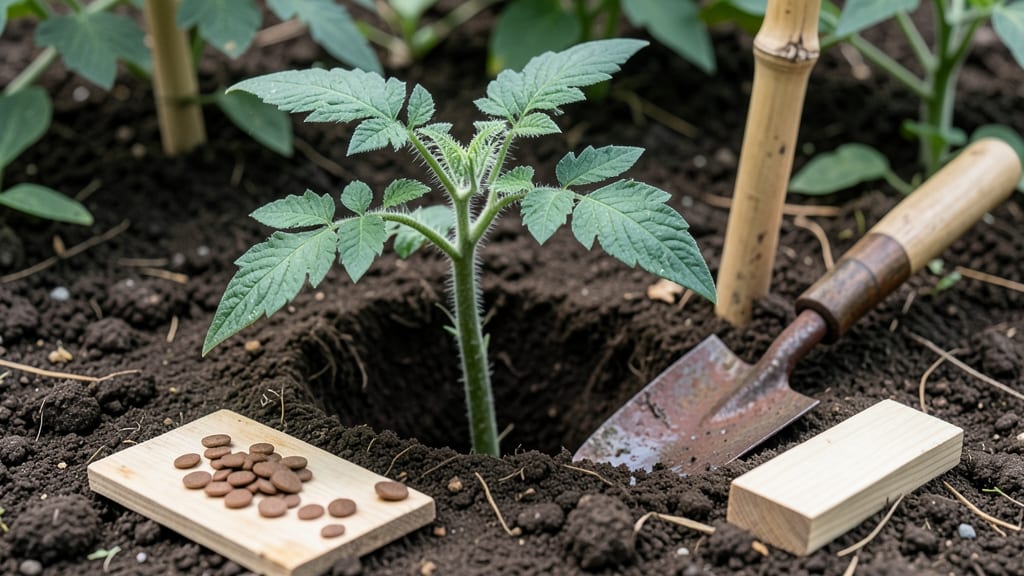
Mastering how deep to plant tomato seeds—just ¼ inch below soil—is the secret to strong, healthy starts that turn into bursty vines 🍅.
Planting them too deep or too shallow can leave you with weak seedlings that struggle to reach their potential—or worse, fail to sprout at all. I’ve seen firsthand how a ¼-inch miscalculation turns a promising batch into a flop.
This guide breaks down the exact planting depth for different seed types, soil conditions, and even climate tweaks to ensure your seeds germinate fast and grow into robust plants.
You’ll learn how to prep your soil, spot common mistakes, and adjust for your local growing zone—so you can skip the guesswork and get a head start on a bountiful harvest.
Optimal tomato seed planting depth by seed type: exact inches for germination success
Getting the tomato seed planting depth just right is one of the most critical steps for strong, healthy seedlings. Most tomato seeds—whether heirloom, hybrid, or cherry varieties—need to be planted at a consistent depth to balance moisture, oxygen, and warmth.
Too shallow, and they’ll dry out; too deep, and they’ll suffocate or rot before sprouting. The ideal depth is typically 1/4 inch (0.6 cm), but there are exceptions based on seed size and soil conditions.
For most gardeners, the 1/4-inch rule works like magic. This depth allows seeds to stay hydrated while still receiving enough oxygen to germinate. However, larger seeds—like those from heirloom tomatoes—might need a slightly deeper planting, around 3/8 inch (0.9 cm), to prevent them from drying out too quickly.
Always check the seed packet for specific recommendations, as some varieties (like cherry tomatoes) may have unique needs.
| Seed Type | Recommended Depth | Soil Type Adjustment | Notes |
|---|---|---|---|
| Standard Tomato Seeds | 1/4 inch (0.6 cm) | Clay soil: 3/16 inch (0.5 cm) | Most common depth for hybrids and heirlooms. |
| Large Heirloom Seeds | 3/8 inch (0.9 cm) | Sandy soil: 1/8 inch (0.3 cm) | Prevents drying out in loose soils. |
| Cherry Tomato Seeds | 1/8 inch (0.3 cm) | Container soil: 1/4 inch (0.6 cm) | Smaller seeds need less depth. |
| All Varieties (Cold Soil) | 1/2 inch (1.3 cm) | N/A | Warmer soil speeds germination. |
Before you plant, prepare your soil to create the perfect environment for germination. Start by loosening the top 6 inches (15 cm) of soil to improve drainage and aeration. Mix in compost or aged manure to boost nutrients and moisture retention.
If your soil is heavy clay, add sand or perlite to lighten it, while sandy soils benefit from peat moss or coconut coir to retain moisture. Aim for a soil temperature of at least 70°F (21°C)—tomato seeds won’t germinate well in cold soil.
When making your planting holes, use a small tool like a pencil or dibble to ensure consistent depth. Place 2-3 seeds per hole, spacing them about 1-2 inches (2.5-5 cm) apart. This gives you multiple seedlings to thin later, ensuring you keep the strongest one.
After covering the seeds with soil, gently press down to eliminate air pockets, then water lightly to settle the soil without displacing the seeds. Overwatering at this stage can wash seeds away or create a waterlogged environment that suffocates them.
Once planted, maintain consistent moisture by keeping the soil damp (not soggy) until germination, which typically takes 5-14 days depending on temperature and variety. Place a clear plastic dome or row cover over the seeds to create a mini greenhouse effect, trapping warmth and humidity.
Remove it once sprouts appear to prevent mold. If you’re planting in containers or raised beds, ensure they have drainage holes to avoid waterlogging, which can cause seed rot.
Monitor your seedlings closely for signs of stress, like yellowing leaves or stunted growth, which can indicate improper planting depth or soil conditions. If you notice weak stems or leggy seedlings, it might mean the seeds were planted too shallow or didn’t receive enough light.
Adjust your care routine by providing 12-16 hours of light daily and thinning seedlings to 12-24 inches (30-60 cm) apart once they develop their first true leaves.
For gardeners in cooler climates, consider starting seeds indoors under grow lights 4-6 weeks before the last frost. Use small pots or seed trays with the same 1/4-inch depth and transplant seedlings outdoors only after hardening them off for 7-10 days.
Hardening off involves gradually exposing seedlings to outdoor conditions to toughen them up for the transition. Always plant outdoors after the soil temperature reaches at least 60°F (15°C) to ensure successful establishment.
Remember, the key to strong tomato starts lies in the details: correct planting depth, consistent moisture, and optimal soil conditions. With these factors in check, you’ll be well on your way to growing robust, productive tomato plants that yield a bountiful harvest. Happy gardening!
Common mistakes when planting tomato seeds too deep (and how to fix them)
Even experienced gardeners sometimes struggle with tomato seed depth. Planting too deep can smother your seeds, while planting too shallow leaves them vulnerable to drying out. The ideal 1/4-inch depth balances moisture and oxygen, but mistakes happen—especially when working with different seed sizes or soil types.
Let’s tackle the most common errors and how to fix them at each growth stage. Whether you’re dealing with rotten seeds or weak seedlings, these troubleshooting tips will help you recover and grow strong, healthy tomato plants.
⚠️ Critical Tomato Seed Depth Rules
Planting tomato seeds too deep (over 1/2 inch) risks rot and weak stems. Planting too shallow (under 1/8 inch) causes drying out and poor germination. The 1/4-inch rule applies to most seeds, but larger seeds (like heirloom varieties) can handle up to 1/2 inch.
If you’ve already planted your seeds too deep, don’t panic. The key is to act quickly. Gently loosen the soil around the seed with a small spoon or your fingers, then carefully lift the seed to its correct depth.
For cherry tomato varieties, which are more delicate, this process is even more critical—these seeds need precise depth to avoid stem rot.
For seeds planted too shallow, the fix is simpler: cover them with a thin layer of soil (about 1/8 inch) to retain moisture. If the soil is dry, lightly mist the area to encourage germination.
Keep an eye on moisture levels—consistent dampness is key during the first 7-10 days while seeds sprout.
Once seedlings emerge, watch for signs of over-planting stress, like yellowing leaves or stunted growth. If you notice these symptoms, carefully transplant the seedling to a deeper pot or garden bed, ensuring the root system isn’t disturbed.
Use a small trowel to create a hole and gently place the seedling at the correct depth, then firm the soil around it.
For container gardening, where depth control is trickier, use seed-starting trays with clear lids to monitor soil depth. If you’re unsure about your planting depth, err on the side of shallower—1/4 inch is ideal—and always use well-draining soil to prevent waterlogged conditions that lead to rot.
Remember, the goal is to give your tomato seeds the best chance to thrive. With the right depth and a little attention to detail, you’ll be on your way to a bountiful harvest in no time! 🌱