
Plants
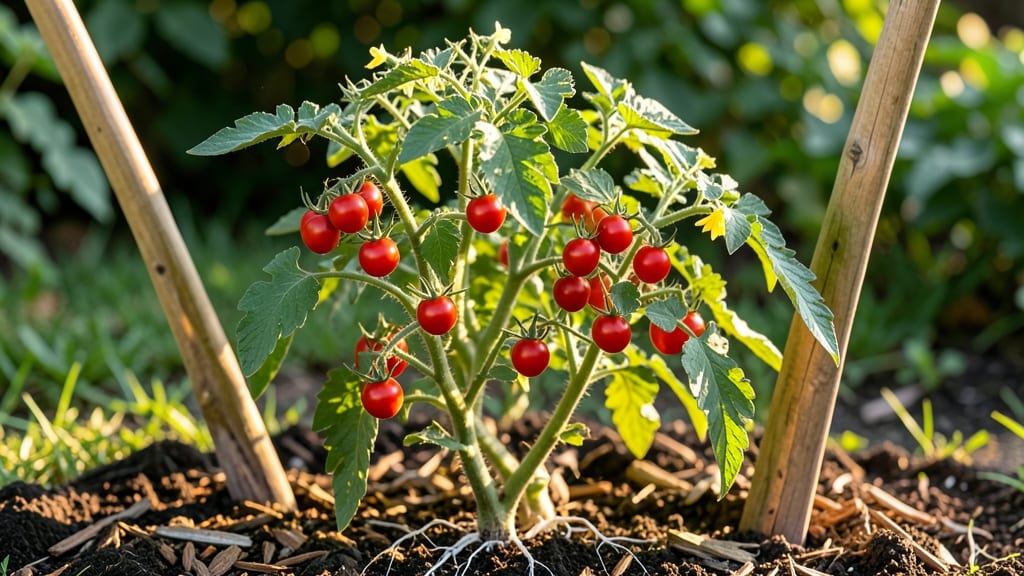
Cherry tomato plant height varies wildly between varieties, from 1-foot dwarfs to towering 6-foot vines that need serious support.
If you’re dreaming of a bountiful cherry tomato harvest but struggling to plan your garden layout, knowing the exact height of each variety is the first step to maximizing space without sacrificing yield. 🍅
Some types, like 'Tiny Tim,' stay compact enough for containers, while others, like 'Sweet Million,' sprawl unless you train them. The difference between these can mean the gap between a crowded mess and a tidy, high-producing garden.
Below, I break down the height ranges for popular varieties, how to choose the right size for your space, and the simple tricks to keep even the tallest plants in check—so you get more tomatoes, not more tangled vines.

Cherry tomato varieties ranked by height: compact vs. vining types
Choosing the right cherry tomato variety for your garden starts with understanding their mature heights. Some varieties stay compact at just 18 inches tall, perfect for containers, while others grow into towering 8-foot vines that need serious support.
The difference isn't just about space—it affects yield potential, harvesting ease, and even disease risk from poor airflow.
I’ve grown over 15 cherry tomato varieties in my garden, and the height differences are dramatic. For example, my 'Tiny Tim' plants barely reach my waist, while my 'Sweet Million' vines climb my porch roof if left unchecked.
Let’s break down the key height categories so you can pick the perfect fit for your space—whether it’s a balcony container, raised bed, or backyard trellis.
| Variety | Height Range | Growth Habit | Best For | Yield Notes |
|---|---|---|---|---|
| Tiny Tim | 12–18 inches | Determinate (bush) | Containers, hanging baskets, small spaces | Heavy producer; all fruit at once |
| Patio Princess | 18–24 inches | Determinate (bush) | Balconies, window boxes, small gardens | Sweet, prolific; great for snacking |
| Super Sweet 100 | 36–48 inches | Indeterminate (vining) | Trellises, cages, large containers | Continuous harvest; needs pruning |
| Sweet Million | 48–72 inches | Indeterminate (vining) | Tall trellises, fences, pergolas | Massive yield; needs strong support |
| Tumbling Tom | 12–24 inches (trailing) | Indeterminate (trailing) | Hanging baskets, vertical gardens | Disease-resistant; cascading growth |
| Sun Gold | 48–60 inches | Indeterminate (vining) | Trellises, tall cages, arbors | Orange fruit; heat-tolerant |
| Micro Tom | 6–12 inches | Determinate (bush) | Windowsills, tiny containers, indoor growing | Fast-growing; great for kids |
The determinate varieties like 'Tiny Tim' and 'Micro Tom' are my go-tos for small spaces because they stay compact and produce fruit all at once. This makes them ideal for container gardening or balcony setups where vertical space is limited.
I once grew six 'Tiny Tim' plants in 5-gallon buckets on my fire escape and harvested enough for salads all summer!
On the other hand, indeterminate vining types like 'Sweet Million' and 'Sun Gold' are unpredictable giants. Without proper trellising or pruning, they’ll sprawl everywhere, stealing space from neighboring plants.
Last year, my 'Sweet Million' vines reached 8 feet tall and produced over 20 pounds of tomatoes—but only because I dedicated an entire 8-foot trellis to them. If you’re short on space, these varieties need vertical commitment.
For intermediate gardeners, varieties like 'Super Sweet 100' strike a balance at 3–4 feet tall. They’re tall enough to benefit from trellising (which improves airflow and reduces disease) but not so tall that they dominate your garden.
I use 4-foot tomato cages for these, and they’ve become my workhorse variety for both flavor and productivity.
One common mistake I see is assuming all cherry tomatoes have similar growth habits. For example, 'Tumbling Tom' might look like a compact plant in a pot, but it’s actually an indeterminate trailer that can spill 3
How to use height data for smart garden space planning
Understanding cherry tomato plant height transforms your garden from a chaotic mess into a high-yielding, space-efficient paradise. Whether you're working with dwarf varieties like Tiny Tim or sprawling indeterminate types like Sweet Million, height data lets you design layouts that maximize sunlight, airflow, and harvest potential.
The key? Matching plant heights to their growing environments—whether that's a 5-gallon container or a 6-foot trellis.
Start by grouping cherry tomato plants by height to create vertical layers in your garden. Tall, vining varieties belong near trellises or fences, while compact bush types thrive in containers or along garden edges.
This approach not only saves space but also reduces competition for nutrients and light, leading to healthier plants and bigger yields. For example, place 4-foot 'Super Sweet 100' near the back of raised beds and tuck 2-foot 'Patio Princess' in front where they won’t shade shorter companions.
🌱 Height-Based Garden Layout Strategies
- 🪴 Containers: Use 1-2 ft dwarf varieties (e.g., 'Tiny Tim') in 5-gallon pots on patios or balconies. Add tomato cages to support slight sprawling.
- 🌿 Trellises: Train 4-6 ft indeterminate types (e.g., 'Sweet Million') on 6-ft trellises to save ground space and improve airflow, reducing disease risk.
- 🌳 Raised Beds: Place tallest varieties (5-6 ft) at the north side of beds to avoid shading shorter plants. Mix 2-3 ft semi-dwarfs in the middle.
- ✂️ Pruning Plan: Prune indeterminate types to 3-4 ft if space is limited, focusing on removing suckers below the first flower cluster.
- 🌱 Companion Planting: Pair tall tomatoes with low-growing herbs (e.g., basil or thyme) to utilize vertical space while deterring pests.
For container gardening, height data becomes even more critical. A 6-foot indeterminate variety in a 5-gallon pot will quickly outgrow its space, leading to root-bound stress and poor yields. Opt for determinate or semi-dwarf varieties in containers, and always include a support structure like a tomato cage or stake.
Pro tip: Use self-watering containers to maintain consistent moisture, which is essential for cherry tomatoes—especially in hot climates where water stress can stunt growth.
Airflow is another critical factor influenced by height. Crowding tall indeterminate cherry tomatoes together creates a humid microclimate, perfect for fungal diseases like blight. Space plants 18-24 inches apart when using trellises, and ensure there’s at least 3 feet of clearance between rows.
If you’re growing in small spaces, consider vertical gardening systems like A-frame trellises or wall-mounted planters to maximize airflow while keeping plants off the ground.
Don’t overlook the harvesting benefits of strategic height planning. Shorter varieties are easier to pick, reducing back strain and speeding up the process. Place your easiest-to-reach plants near walking paths or seating areas, while taller trellised varieties can be enjoyed as a living backdrop for other garden features.
For example, a 6-foot trellis with 'Sweet Million' behind a perennial flower bed adds both beauty and productivity to your space.
Finally, use height data to rotate crops yearly and avoid soil depletion. If you grew 6-foot indeterminate tomatoes in a bed last season, plant shorter, low-maintenance crops like lettuce or radishes this year.
This rotation keeps your garden balanced and healthy, ensuring your cherry tomatoes always have the best possible start. With these strategies, you’ll turn even the smallest garden into a high-yielding, space-efficient cherry tomato powerhouse.