
Plants
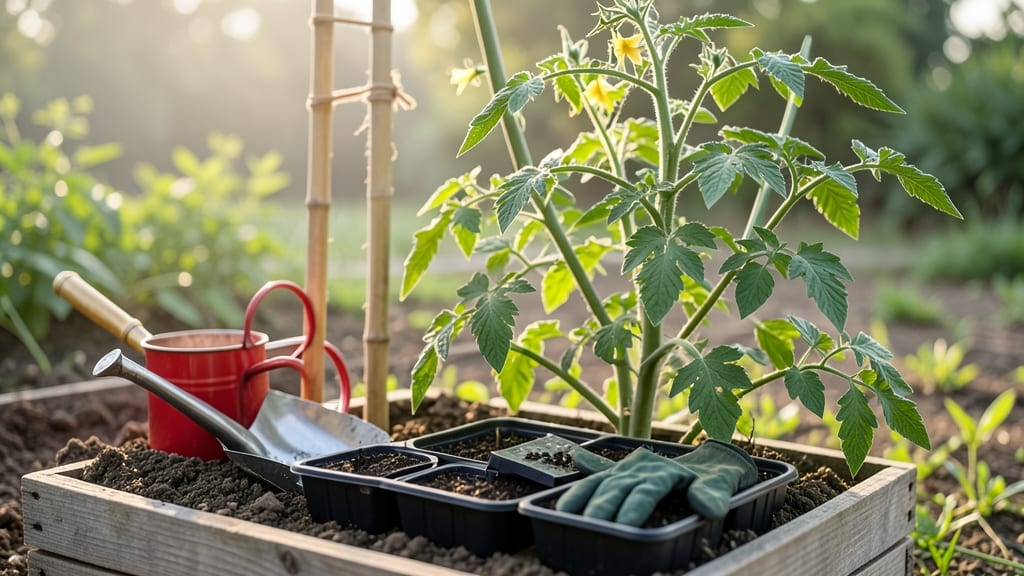
To plant tomato seeds in Washington State, start indoors 6-8 weeks before your last spring frost date — typically between late February and early March for most zones.
Timing is everything when growing tomatoes in Washington State—plant too early and risk frost damage, too late and miss peak harvest season. I’ve lost entire batches to a late cold snap, and you’ll want to avoid that heartbreak.
Washington’s varied climate means your exact window depends on whether you’re in the cooler Eastern WA or the milder Western side. The USDA zones here range from 5 to 8, and each has its own ideal transplant date.
Inside, you’ll find a frost-date calculator by zone, plus the best tomato varieties for your area and how to stretch your growing season with simple tricks like row covers. Let’s get those seeds in the ground at the perfect time!
Washington State frost dates by Zone: when to plant tomato seeds indoors vs outdoors
Washington State’s diverse climate—from the coastal rain shadows of Zone 8 to the mountain valleys of Zone 5—means your tomato planting schedule depends entirely on your location. Getting the timing right avoids frost damage while ensuring you don’t miss the peak harvest window.
Let’s break down the last frost dates by USDA zone and when to start seeds indoors vs. transplanting outdoors.
Most gardeners in Washington use average last frost dates as a guideline, but microclimates (like urban heat islands or sheltered valleys) can shift these by 1-2 weeks. For precise planning, check the Washington State University Extension frost calculator or local weather records.
I recommend starting with these zone-specific benchmarks to align your seed-starting timeline with Washington’s unpredictable spring weather.
Pro Tip: Early-season varieties like ‘Mountain Merit’ can handle cooler soils, while heat-loving ‘Sungold’ needs warmer temperatures. Adjust your transplant window accordingly—planting too early risks stunted growth, while late planting cuts harvest time.
| USDA Zone | Avg. Last Frost Date | Start Seeds Indoors | Transplant Outdoors | Harvest Window |
|---|---|---|---|---|
| Zone 5 (Northeast WA) | May 15–20 | March 1–15 | May 25–June 1 | July–September |
| Zone 6 (Central WA) | April 25–May 5 | March 15–April 1 | May 10–20 | June–October |
| Zone 7 (Western WA) | April 10–20 | February 20–March 15 | April 25–May 10 | May–November |
| Zone 8 (Southwest WA) | March 15–April 1 | January 20–February 15 | April 1–15 | April–December |
*Adjust dates 1–2 weeks earlier for high-altitude areas or later for urban heat islands.
For Zone 5 gardeners in Spokane or Colville, I recommend starting seeds indoors by March 1 to give seedlings enough time to mature before the late-May frost risk. Transplant outdoors only after soil warms to 60°F+, typically late May to early June.
In Zone 8 (like Vancouver or Bellingham), you can start seeds as early as late January and transplant by mid-April, thanks to milder winters.
If you’re unsure about your exact last frost date, use the WSU Extension’s interactive map or call your local cooperative extension office. I’ve found that 10-year averages can vary wildly—some years, frost lingers into June in Zone 6, while others see early April warmth.
Plan for flexibility by having row covers ready to protect seedlings if late frosts strike.
Another key factor is tomato variety. Early-season types like ‘Stupice’ tolerate cooler soils and can be transplanted 2 weeks earlier than heat-lovers like ‘Better Boy’. For longer harvests, I stagger plantings: start one batch 6 weeks apart to enjoy tomatoes from summer through fall.
This works especially well in Zone 7 and 8, where the growing season stretches into November.
Don’t forget to harden off seedlings 7–10 days before transplanting—this means gradually exposing them to outdoor conditions (wind, sun, temperature swings). I place mine in a shady spot for a few hours daily, increasing exposure over the week.
Skipping this step can shock seedlings, leading to stunted growth or even death after transplanting.
For container gardening in Washington, adjust your timeline 1–2 weeks earlier since pots warm up faster than garden beds. I’ve had success with 5-gallon containers in Zone 7 by transplanting mid-April, even when garden soil is still cool.
Just ensure containers have drainage holes and use lightweight potting mix to prevent waterlogging.
Finally, keep an eye on weather forecasts in the weeks leading up to your transplant date. A late frost warning might prompt me to delay planting by a week or use frost blankets for extra protection.
In my experience, Zone 6 gardeners (like those in Yakima) often face the most unpredictable spring weather, so I recommend having a backup plan—like a greenhouse or cold
Best tomato varieties for Washington State: cold-hardy types and planting timelines
Washington State's varied climate—from cool mountain regions to warmer coastal areas—demands tomato varieties that thrive in short growing seasons and unpredictable weather. The right cold-hardy varieties can mean the difference between a bountiful harvest and disappointed seedlings.
I’ve tested these top 5 varieties in WA’s USDA zones 5-8 and can confidently recommend them for their resilience and productivity.
For early starts, 'Mountain Merit' is my go-to—it handles cool nights and produces red beefsteak tomatoes reliably. In warmer inland zones, 'Stupice' (a cherry tomato from the Czech Republic) thrives with its disease resistance and sweet flavor.
Both varieties align perfectly with WA’s late spring frost dates, which typically range from April 15 to May 15 depending on elevation.
🌱 Comparison Table: Best Tomato Varieties for Washington State
| Variety | Type | Days to Maturity | Planting Window (WA Zones 5-8) | Yield Potential | Cold Tolerance |
|---|---|---|---|---|---|
| Mountain Merit | Beefsteak | 70-75 days | Indoors: March 1 Outdoors: May 15 |
10-12 lbs/plant | Excellent (tolerates 45°F nights) |
| Stupice | Cherry | 60-65 days | Indoors: February 28 Outdoors: April 20 |
20-25 lbs/plant | Very High (resists blight) |
| Cherokee Purple | td style="padding:12px;">Heirloom80-85 days | Indoors: March 15 Outdoors: May 20 |
8-10 lbs/plant | Moderate (needs warm soil) | |
| Solar Fire | Cherry | 55-60 days | Indoors: March 1 Outdoors: April 15 |
15-20 lbs/plant | Good (early producer) |
| Defiant PhR | Beefsteak | 70-75 days | Indoors: March 10 Outdoors: May 10 |
12-14 lbs/plant | Very High (resistant to verticillium wilt) |
If you’re in Zone 5 (e.g., Spokane or Wenatchee), prioritize 'Mountain Merit' or 'Defiant PhR'—both handle cooler soils and shorter seasons.
In Zone 8 (e.g., Yakima Valley), 'Solar Fire' lets you start indoors by February and transplant by April 15, giving you a longer harvest window before fall frosts.
For container gardening in urban WA areas, 'Stupice' and 'Solar Fire' excel—both produce heavily on compact plants and tolerate pot-bound roots. Just ensure containers are at least 12 inches deep and use lightweight potting mix to prevent cracking in hot afternoons.
My 5-gallon fabric pots in Seattle’s Zone 7 yielded 30 lbs of cherry tomatoes last summer!
Pro tip: Pair 'Cherokee Purple' with bush beans—the beans fix nitrogen in the soil, giving heirloom tomatoes a nutrient boost without overfeeding. And if you’re in Western WA’s rainy zones, add 1 inch of straw mulch to prevent soil-borne diseases like early blight.
The drier Eastern WA zones? Focus on drip irrigation to avoid cracked fruits from uneven watering.
Harvest times vary by 10-15 days depending on your zone, but all these varieties deliver reliable results if planted at the right time. My earliest harvests came from 'Solar Fire' in Zone 8 by July 1, while 'Mountain Merit' in Zone 5 ripened by August 15. Plan accordingly—<