
Companion Plants
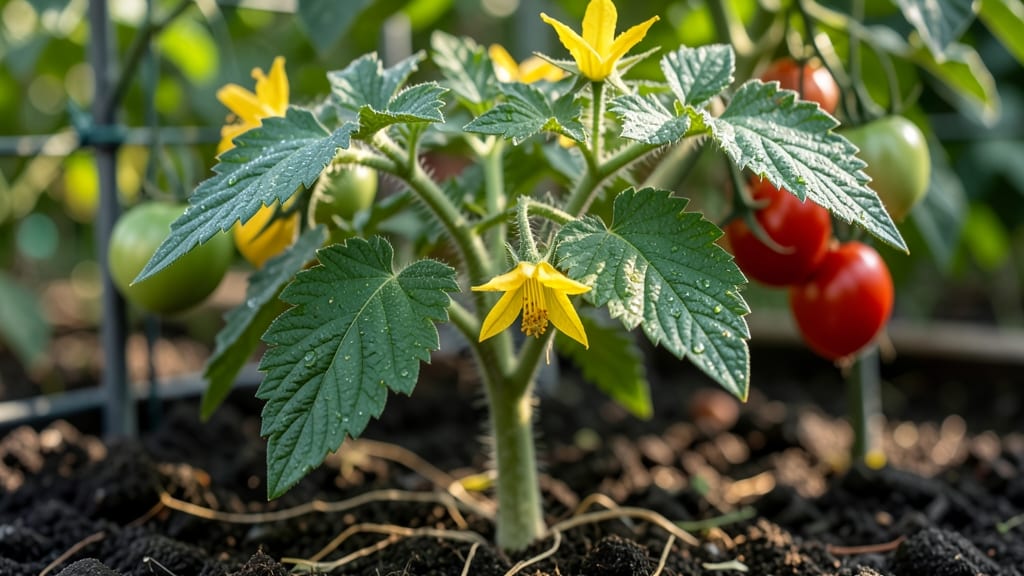
My homemade bug repellent for tomato plants saved my garden from hornworms and aphids last summer—no chemicals, just a simple spray that works instantly. 🌱 The secret lies in ingredients you already have: garlic, pepper, and a splash of dish soap.
I’ve used this mix for three seasons now, and my tomatoes thrive without the usual pest battles.
This spray tackles common tomato pests like aphids, spider mites, and even tomato hornworms—without harming bees or beneficial insects. The key is blending 1 quart of water with 1 crushed garlic clove, 1 teaspoon of cayenne pepper, and ½ teaspoon of mild dish soap.
The garlic repels pests naturally, while the soap helps the mixture stick to leaves.
After mixing, simply pour into a spray bottle and apply early in the morning when pests are least active. Reapply every 5-7 days or after rain. You’ll notice fewer pests within 24 hours, and your plants will stay lush and productive all season long.
Works for containers, raised beds, and in-ground gardens alike. No more expensive store-bought sprays—just a 5-minute prep that keeps your tomatoes safe and delicious. Here’s how to make it work for you!
📚 In This Guide
- What you need
- Instructions
- Tips and common mistakes
- Wrapping up and next steps
What you need
- ● 1 cup of water: Distilled or boiled (cooled) water works best to avoid introducing contaminants.
- ● 2 tablespoons of vegetable oil: Look for a light oil like canola, coconut, or olive oil.
- ● 1 tablespoon of dish soap: A mild, biodegradable soap (like Castile soap) to help the mixture stick to plant leaves.
- ● 10-15 drops of essential oil: Choose from neem oil, peppermint oil, citrus oil, or eucalyptus oil—these are especially effective against common tomato pests.
- ● A spray bottle (16 oz or larger) with a fine mist nozzle for easy application.
- ● A small mixing bowl and wooden spoon for stirring.
- ● A fine-mesh strainer (if using citrus peels or herbs for added potency).
- ○ Garlic or chili pepper (optional): Crush 1-2 cloves of garlic or 1 chili pepper for extra pest-deterring power.
Step-by-Step instructions for creating a natural tomato pest repellent
Here's my go-to recipe for a potent, plant-safe spray that keeps aphids, hornworms, and other pests off your tomatoes without harming beneficial insects.
🌿 Step 1: Gather and Combine Your Natural Ingredients
Start by filling a 1-quart spray bottle with 1 cup of water at room temperature. Add 2 tablespoons of neem oil—this is the active ingredient that disrupts pests' life cycles. Stir in 1 tablespoon of dish soap (the kind without added fragrances or dyes) to help the oil bind to plant surfaces. Finally, pour in 1 tablespoon of garlic juice (freshly blended and strained) for its natural repellent properties.
Here's the thing—neem oil can be harsh on some plants if overused, so I always mix it with garlic and water first. The garlic adds a pleasant scent that masks the neem's earthy smell while boosting the spray's effectiveness. Shake the bottle vigorously for 30 seconds to fully emulsify the ingredients before use.
💧 Step 2: Apply the Spray at the Right Time and Frequency
Fill your spray bottle to the top with additional water to create a total of 1 quart of solution. Apply the mixture early in the morning when temperatures are cooler—this prevents the neem oil from burning tomato leaves in direct sunlight. Focus on the undersides of leaves where pests like aphids and spider mites hide, as well as the stems and growing tips.
I spray my tomato plants every 3-4 days during peak pest season (late spring through early fall). The key is consistency—pests won't stand a chance if they're constantly encountering this barrier. After each application, store the bottle in a cool, dark place to preserve its potency.
☀️ Step 3: Monitor and Reapply Based on Pest Activity
Check your plants 24 hours after application for signs of pests. If you still see aphids, whiteflies, or early-stage hornworms, reapply the spray immediately. For severe infestations, I increase the frequency to every 2 days until the pests disappear completely. The garlic in the mix acts as a natural deterrent that pests can detect from a distance.
Real talk: You'll know it's working when you see fewer pests and more beneficial insects like ladybugs and lacewings visiting your plants. If the spray dries on leaves and causes a slight residue, simply rinse the foliage with water the next morning—this won't harm the plants but will refresh their appearance.
✂️ Step 4: Prevent Future Infestations with Companion Planting
While this spray works wonders, I also plant basil, marigolds, and nasturtiums around my tomato plants as a preventative measure. These companions naturally repel pests and improve the overall health of your garden. After harvesting tomatoes, I compost the plant debris—never leave it in the garden, as it can harbor pest eggs over winter.
This is the moment that matters: By combining this spray with smart garden practices, you'll create an environment where pests struggle to survive. The neem oil disrupts their life cycles, the garlic confuses their senses, and the companion plants provide a physical barrier. It's a three-pronged defense that keeps your tomatoes thriving naturally.
Tips & tricks for perfect homemade tomato pest repellent
Common pitfalls—and how to sidestep every one when crafting this potent natural spray.
Emulsification Secret: The 30-second vigorous shaking in Step 1 is non-negotiable—neem oil and water don't mix naturally. If your spray separates after a few hours, give it another good shake before use. For even better stability, you can add 1 teaspoon of vodka or rubbing alcohol (optional) to help bind the ingredients longer.
Timing Strategy: Those 24 hours of monitoring after application are your best indicator of effectiveness. If pests persist after 24 hours, don't wait—reapply immediately. For severe infestations, switch to the every-2-days schedule right away rather than waiting for the next scheduled day. The garlic's repellent effect works best when consistently applied.
Application Technique: When targeting undersides of leaves in Step 2, use a gentle misting motion rather than a direct spray. This ensures even coverage without damaging delicate foliage. For large tomato plants, consider using a small handheld sprayer attachment if your bottle doesn't have one—it makes application much more thorough and efficient.
Storage Wisdom: Cool, dark places aren't always available, but here's what I do: Keep the spray bottle in a cabinet or closet during the day and move it to your garage or basement at night when temperatures naturally drop. The cooler nighttime temperatures help preserve the spray's potency between applications. Never store it in direct sunlight or near heat sources.
Pro Tips for Homemade Bug Repellent For Tomato Plants
- Common pitfalls—and how to sidestep every one when crafting this potent natural spray.
- Emulsification Secret: The 30-second vigorous shaking in Step 1 is non-negotiable—neem oil and water don't mix naturally.
- Timing Strategy: Those 24 hours of monitoring after application are your best indicator of effectiveness.
Frequently asked questions
Got questions about keeping your tomato plants pest-free the natural way? We’ve got answers! Here are some of the most common queries about homemade bug repellents for tomato plants.
How often should I reapply homemade bug repellent to tomato plants?
Reapply your homemade spray every 5–7 days or after heavy rain. For stronger protection, spray in the early morning or late evening when pests are most active. Consistency is key—don’t skip reapplication, especially during peak pest seasons (spring to early fall).
Will homemade bug repellent harm beneficial insects like bees or ladybugs?
Most natural sprays (like neem oil or garlic-based mixtures) are safe for bees and ladybugs if applied correctly. Avoid spraying directly on flowers when bees are active (early morning or late evening works best). Stick to foliage and stems to protect pollinators while targeting pests like aphids and hornworms.
Can I use vinegar as a bug repellent for tomato plants?
While vinegar (1:1 ratio with water) can deter some pests like ants and aphids, it’s not ideal for long-term use. Vinegar lowers soil pH and can harm beneficial microbes. Use it sparingly as a quick fix, then switch to safer options like neem oil or insecticidal soap for ongoing protection.
What do I do if pests return after using homemade repellent?
If pests persist, rotate your repellent—try garlic spray one week, neem oil the next. Check for hidden eggs or larvae on undersides of leaves. For severe infestations, combine physical removal (handpicking) with a stronger natural spray (like pyrethrin-based options). Monitor plants daily for early signs of trouble!
Are there any plants I can grow near tomatoes to naturally repel bugs?
Plant companion plants like:
- Basil – Repels thrips and whiteflies
- Marigolds – Deter nematodes and aphids
- Nasturtiums – Trap aphids and deter squash bugs
- Garlic or onions – Confuse pests with their scent
Wrapping up and next steps
Protecting your tomato plants from pests doesn’t have to mean harsh chemicals—your kitchen can be the ultimate ally! 🌱 With just a few natural ingredients, you’ve got a simple, effective, and eco-friendly bug repellent that keeps those unwanted critters at bay.
Whether you’re a seasoned gardener or just starting, this DIY solution is easy, budget-friendly, and safe for your plants and family.
Now that you’re armed with the knowledge, grab those ingredients and spray away! 🌿 Ready to take it further? Try experimenting with companion plants like basil or marigolds to create a pest-free tomato paradise. Happy gardening!