
Planting
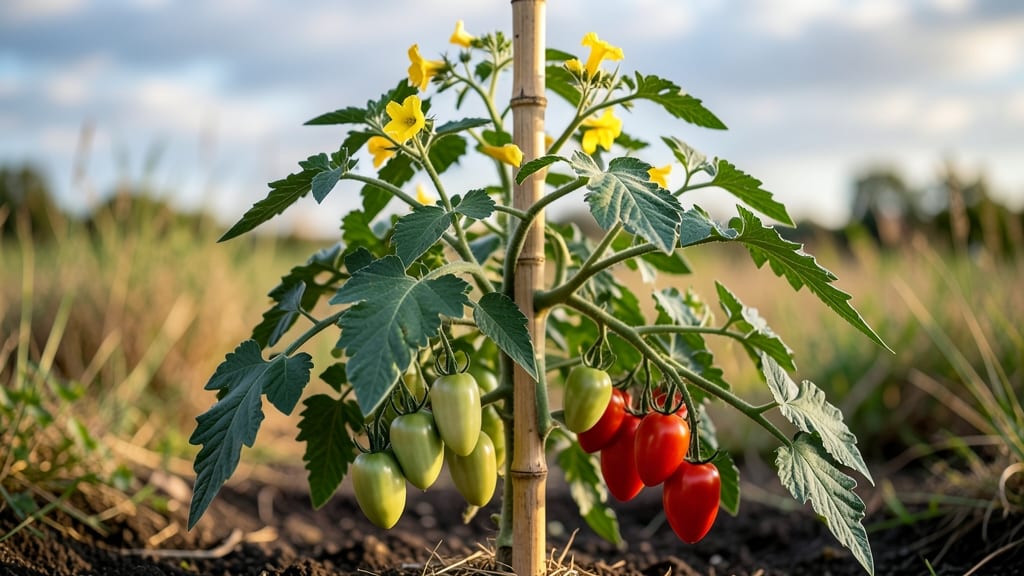
Growing a Glacier tomato plant in your backyard means cold-resistant harvests when most varieties give up. 🌱 I learned the hard way that traditional tomatoes bolt in my zone 4 garden—but these hardy heirlooms thrive where others fail, producing sweet, medium-sized fruits even when nights dip below 50°F. The secret lies in their genetics: Glacier tomatoes tolerate cooler temperatures better than most, making them perfect for early planting or northern climates.
You’ll need well-draining soil (mix in compost for flavor), full sun (6-8 hours daily), and consistent moisture—especially during fruit set. Unlike finicky varieties, they handle light frosts surprisingly well, extending your harvest window.
By midsummer, you’ll be snipping ripe tomatoes with a sweet, tangy flavor that rivals store-bought (but tastes fresher). The plants stay compact, making them ideal for containers or small spaces. Prune suckers regularly to boost airflow and prevent disease—my biggest lesson after the first year.
Works in containers or in-ground, even in partial shade if you start early. Here’s how to get them growing strong from seed to harvest—no greenhouse needed!
📚 In This Guide
- What you need
- Instructions
- Tips and common mistakes
- Wrapping up and next steps
What you need
- ● Glacier tomato seeds or seedlings: Choose cold-resistant varieties like 'Glacier' or 'Mountain Merit' (available at nurseries or online seed shops). Quantity: 2-4 plants (or seeds for 2-4 plants).
- ● Containers or garden bed: Containers: 5-gallon pots or larger (ensure drainage holes!). Quantity: 1 per plant.
- ● Garden bed: Well-draining soil in a sunny spot (6+ hours of sunlight daily). Size: At least 18" deep and wide per plant.
- ● High-quality potting mix: Look for a well-draining, nutrient-rich blend (e.g., 60% potting soil, 30% compost, 10% perlite). Quantity: 1-2 cubic feet per plant.
- ● Fertilizer: A balanced, slow-release fertilizer (10-10-10 or organic options like composted manure). Quantity: 1 tbsp per plant at planting, then monthly.
- ● Mulch: Straw or shredded leaves to insulate roots and retain moisture. Quantity: 2-3 inches per plant.
- ● Support system: Cages (5-6 ft tall) or stakes (6 ft) to prevent sprawling. Quantity: 1 per plant.
- ● Row covers or frost cloth: Lightweight fabric to protect seedlings from late frosts. Size: Large enough to drape over plants.
- ● Garden trowel or transplant spade: For digging and planting.
- ● Watering can or hose with nozzle: Gentle watering is key for seedlings!
- ● Pruning shears: To trim suckers and encourage bushier growth.
- ○ pH testing kit (optional but helpful): Ideal soil pH for tomatoes: 6.0-6.8.
- ● Gloves and knee pads: Because gardening is way more fun when you’re comfortable!
- ● Grow lights or greenhouse: For early starts in very short growing seasons.
- ● Drip irrigation system: Saves time and keeps roots consistently moist.
- ● Tomato-specific foliar spray: Organic options like neem oil to prevent pests.
- ● Journal or app: Track planting dates, watering schedules, and growth milestones!
Step-by-step guide to growing cold-hardy Glacier tomatoes
Here's how I grow Glacier tomatoes successfully in cooler climates—no greenhouse needed.
🌱 Step 1: Select the Right Variety and Start Seeds Early
Glacier tomatoes are bred for cold tolerance, but you still need to give them a head start. I begin seeds indoors 8-10 weeks before your last frost date—earlier than most varieties. Use sterile seed-starting mix in 2-3 inch deep containers to prevent damping-off. The key is warmth: place trays on a seedling heat mat set to 75-85°F until germination, which typically occurs in 5-10 days.
Once sprouts appear, move them to a south-facing window or under grow lights for 14-16 hours daily. You'll notice strong seedlings develop thick stems and dark green leaves—a sign they're ready for transplanting. If stems grow leggy (too tall and thin), your light source is too far away. Adjust it to stay 2-4 inches above the plants.
💧 Step 2: Harden Off and Transplant After Frost
Glacier tomatoes can handle cooler soil temperatures, but they still need acclimation. Start hardening off seedlings 2 weeks before transplanting by placing them outside in a sheltered spot for 1-2 hours the first day. Gradually increase exposure over 10-14 days, watching for wilting or leaf scorch—signs they're not ready yet.
Transplant after the last frost when soil temperatures reach 50°F or warmer. Bury the stem deeper than usual—up to the first set of true leaves—to encourage stronger root growth. Space plants 24-36 inches apart in full sun (6+ hours daily). Water deeply at the base to settle soil around roots, and mulch with 2-3 inches of straw to retain moisture and regulate soil temperature.
☀️ Step 3: Provide Support and Consistent Care
Glacier tomatoes grow indeterminately, so they need strong support from day one. Install 6-foot tall cages or stakes at planting and gently weave stems through as they grow. Prune suckers (the small shoots in the leaf axils) to direct energy into fruit production. I remove suckers weekly once the plant reaches 2 feet tall, using clean pruners to avoid disease.
Water consistently—1-1.5 inches per week—keeping soil evenly moist but not soggy. Glacier tomatoes are more drought-tolerant than other varieties, but they still need steady moisture, especially during fruiting. You'll know your watering is right when the soil feels damp 2 inches down but not waterlogged. Fertilize with a balanced organic fertilizer every 4-6 weeks to support cold-resistant growth.
✂️ Step 4: Harvest and Extend the Season
Glacier tomatoes ripen earlier and more consistently in cooler climates, but they still need full sun and warmth to develop sweet flavor. Harvest when fruits turn deep red and yield slightly to gentle pressure. I pick in the morning when temperatures are cooler to preserve quality. Use pruning shears to avoid damaging the stem, and store harvested tomatoes at room temperature for 2-3 days before refrigerating.
To extend the harvest, cover plants with floating row covers or a small hoop tunnel on chilly nights. This protects blossoms from frost while allowing sunlight to penetrate. You'll see fewer but larger fruits when using this method, but the flavor remains excellent. With proper care, Glacier tomatoes can produce through early fall, even in cooler zones.
Tips & tricks for perfect cold-hardy tomato growing
Here's what I've learned after years of growing Glacier tomatoes in cooler climates—these tricks make all the difference.
Seedling Heat Management: That 75-85°F range on your seedling heat mat is critical, but don't let it exceed 85°F or you risk damping-off. I use a digital thermometer to monitor temperatures constantly during germination. Once sprouts appear, maintain consistent warmth—fluctuations can stress young seedlings. The 5-10 day germination window is your first test of patience; resist the urge to move them too soon.
Light Source Precision: When seedlings reach the 2-4 inch height mark from your light source, you're golden. I use LED grow lights on a timer for that 14-16 hour daily requirement—natural light alone won't cut it in cooler climates. Watch for leggy growth as your first warning sign that the light needs adjusting. Remember, strong stems and dark green leaves mean you're on the right track for transplanting.
Transplanting Technique: Burying stems up to the first true leaves creates stronger root systems, but don't overdo it—stop at that first leaf node. I always transplant on a cloudy day to reduce stress on the plants. The 24-36 inch spacing gives them room to thrive without competing for nutrients, and that 2-3 inch straw mulch is your secret weapon for moisture retention and temperature regulation.
Season Extension Strategy: Floating row covers work wonders for protecting blossoms from late frosts, but remove them during the day to maintain proper ventilation. I've extended my Glacier tomato harvest by 4-6 weeks using this method in Zone 5 climates. The trade-off of fewer but larger fruits is worth it for that extra growing time—just remember to remove covers when temperatures rise above 75°F to prevent heat stress.
Pro Tips for Glacier Tomato Plant
- Here's what I've learned after years of growing Glacier tomatoes in cooler climates—these tricks make all the difference.
- Seedling Heat Management: That 75-85°F range on your seedling heat mat is critical, but don't let it exceed 85°F or you risk damping-off.
- Light Source Precision: When seedlings reach the 2-4 inch height mark from your light source, you're golden.
Frequently asked questions
How cold can Glacier tomato plants tolerate?
Glacier tomatoes are bred for resilience, surviving light frosts down to 28°F (-2°C). Young seedlings may need protection below 50°F (10°C), while mature plants handle cooler nights better than most varieties. For extra safety, use row covers or plant in microclimates like south-facing slopes.
When is the best time to plant Glacier tomatoes?
Start seeds 6–8 weeks before your last frost date indoors. Transplant seedlings outdoors after soil warms to 50°F (10°C)—typically 2–3 weeks post-last frost. In short seasons, opt for early planting and use black plastic mulch to accelerate soil warming. Pro tip: If your zone has a brief growing season, prioritize fast-maturing varieties like Glacier over heirlooms.
How do I extend the harvest season for Glacier tomatoes?
To maximize yields in cooler climates:
- Plant in containers and move them near walls or greenhouses to absorb daytime heat.
- Use cold frames or low tunnels to shield plants from early/late frosts.
- Choose determinate varieties (like Glacier) for concentrated harvests before cold sets in.
- Apply mulch (straw or leaves) to insulate roots and retain warmth.
Why are my Glacier tomatoes cracking or staying green?
Cracking often happens with uneven watering—soak soil consistently (1–2 inches per week) but avoid soggy roots. Green tomatoes? Blame cool nights or insufficient sunlight. Try:
- Harvesting early (even unripe) and ripening indoors.
- Using row covers to boost warmth.
- Adding a plant light if daylight drops below 6 hours.
Are there alternatives to Glacier tomatoes for cold climates?
Yes! If Glacier doesn’t suit your space, try these cold-tolerant picks:
Variety
Key Traits
Stupice
Disease-resistant, thrives in Zone 3, great for sauces.
Mountain Merit
Early producer, handles 40°F (4°C) nights, crack-resistant.
Siberian
Cold-hardy to 25°F (-4°C), compact, ideal for containers.
For short seasons, prioritize determinate types—they fruit faster than indeterminate vines.
Wrapping up and next steps
Growing a Glacier tomato plant is your ticket to a bountiful harvest—even in cooler climates! 🌱 With the right care, this cold-resistant variety thrives where other tomatoes might struggle, delivering sweet, flavorful fruit that’s perfect for salads, sauces, or fresh eating.
Whether you’re a seasoned gardener or just starting out, this hardy plant makes homegrown tomatoes achievable for everyone.
Ready to take the next step? Start by selecting your healthiest seedlings and give them a spot in your garden (or container!) with full sun and well-draining soil. Then, watch your Glacier tomatoes flourish—and enjoy the taste of homegrown success! 🍅✨