
Planting
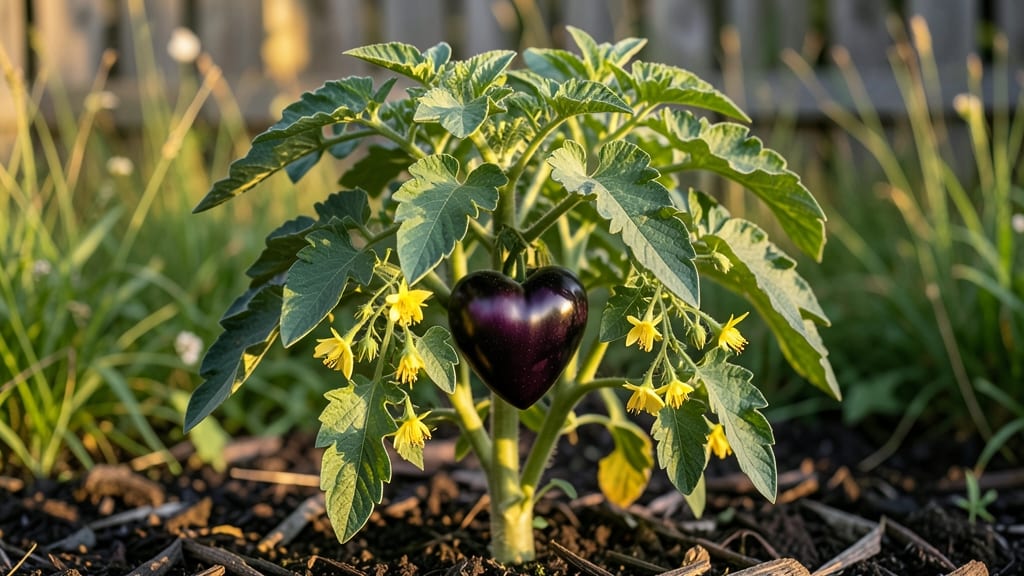
Heart-shaped tomato plants grow distinctive, adorable fruits shaped like tiny hearts, perfect for warm climates where they get plenty of sunlight and steady watering. Popular cultivars like 'Heartbreak' and 'Tumbling Tom' need sturdy support and careful trimming to produce abundant, showstopping harvests.
These whimsical tomatoes aren't just pretty—their unique shape makes them a garden centerpiece and a chef's delight. 🌱 The heart-shaped varieties often have a slightly sweeter flavor profile than standard tomatoes, with thicker walls that hold up well in salads or sauces.
I've found that their compact vines make them ideal for containers or small spaces, though they still demand regular pruning to encourage fruit production. The key to success lies in mimicking their natural tropical habitat: warm soil, consistent moisture, and protection from harsh winds that could damage delicate vines.
What sets these tomatoes apart is their genetic quirk—a mutation that creates the iconic shape while maintaining excellent disease resistance. Unlike some heirloom varieties, heart-shaped tomatoes tend to be more consistent producers, though they may require hand-pollination in cooler climates.
For best results, I recommend starting seeds indoors 6-8 weeks before your last frost date and providing full sun (6+ hours daily) once transplanted.
💡 In This Article
- How Heart-Shaped Tomato Varieties Differ from Standard Tomatoes
- Step-by-Step Guide to Growing Heart-Shaped Tomato Plants
How heart-shaped tomato varieties differ from standard tomatoes
The heart-shaped tomato's distinctive form comes from a unique genetic mutation that alters fruit development. Unlike round or beefsteak varieties where cells grow uniformly, heart-shaped tomatoes have a concentrated growth pattern at the blossom end, creating the iconic pointed shape.
This mutation doesn't just affect appearance—it also influences the fruit's internal structure, with thicker walls and a denser flesh composition compared to standard slicing tomatoes. 🌿 The 'Heartbreak' variety, for example, produces fruits averaging 1.5-2 inches in diameter with a weight of 1-2 ounces, about half the size of a typical cherry tomato.
Botanically, these tomatoes belong to the Solanum lycopersicum species but exhibit different vine characteristics. Most heart-shaped varieties have indeterminate growth habits, meaning they continue producing new leaves and flowers throughout the season, unlike determinate types that grow to a fixed size.
The vines often grow 4-6 feet tall and require sturdy trellising to support the weight of fruit clusters. This vertical growth pattern makes them more efficient space-users than sprawling beefsteak varieties, which can reach 8 feet or more without support.
The unique shape isn't just aesthetic—it affects flavor and culinary use. Heart-shaped tomatoes typically have a 2-3% higher sugar content than standard varieties, giving them a naturally sweeter profile.
Their thick walls (about 0.12 inches thick) make them ideal for slicing applications where structural integrity matters, while their small size makes them perfect for garnishes or specialty dishes.
The flavor concentration is similar to heirloom tomatoes but with less acidity, making them more versatile for both raw and cooked preparations.
Disease resistance is another key difference. Most heart-shaped varieties inherit resistance to common tomato ailments like verticillium wilt and fusarium wilt from their parent stock, which often includes disease-resistant breeding lines. However, their dense foliage can create microclimates that trap moisture, increasing susceptibility to early blight if not properly spaced.
The compact fruit clusters also make them more vulnerable to cracking during heavy rains—a problem that's less common with larger, spaced-out beefsteak tomatoes.
Pollination presents unique considerations. While most heart-shaped varieties are self-pollinating, their small flowers and dense growth can sometimes lead to incomplete pollination in cool or windy conditions. Hand-pollination using a small brush can increase yields by 20-30% in marginal climates.
The flowers typically open in the morning, which is when bees are most active, but cloudy days may require manual assistance. This pollination sensitivity explains why heart-shaped tomatoes often produce fewer but higher-quality fruits compared to prolific but less fussy varieties like 'Celebrity' tomatoes.
Gardeners also appreciate these tomatoes for their ornamental value. The heart-shaped fruits create visual interest in containers or vertical gardens, and their vibrant colors (ranging from deep red to yellow) make them excellent for culinary displays.
The compact growth habit of some varieties, like 'Tumbling Tom,' makes them perfect for hanging baskets where their trailing vines can cascade beautifully. This dual-purpose nature—edible and decorative—sets them apart from purely utilitarian tomato varieties that focus solely on yield or size.