
Planting
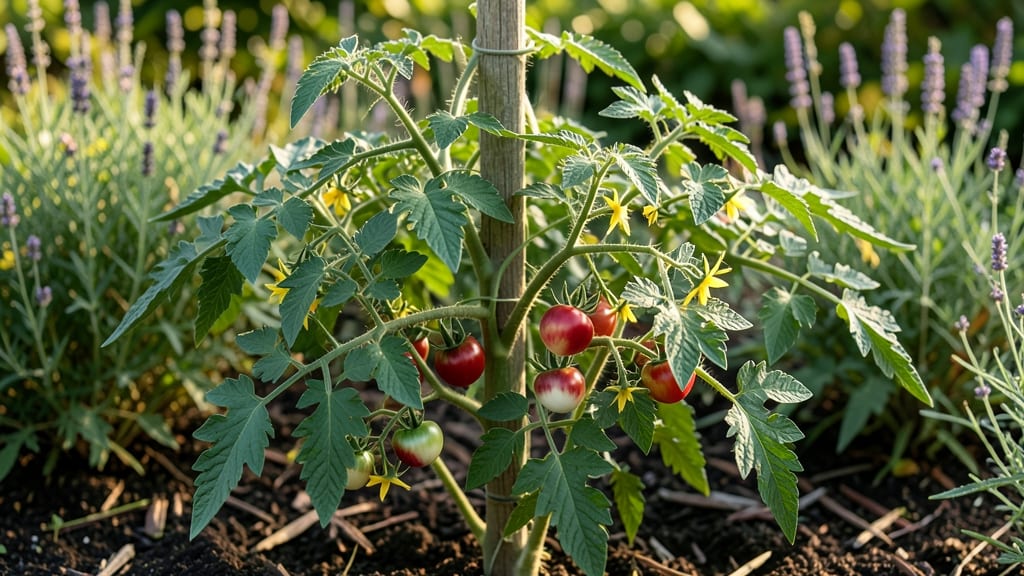
Growing a heartbreaker tomato plant means bold red fruits that fight disease like a champ—no more wilted disappointment. 🌱 I learned the hard way that this variety thrives when you match its needs to the right conditions: rich soil, full sun, and consistent care.
The secret isn't just planting; it's creating an environment where the plant can resist blight while producing those stunning, deep-red tomatoes. Start with well-draining soil mixed with compost, and plant after the last frost when nighttime temps stay above 50°F.
Space plants 24-36 inches apart to allow airflow, which cuts down on disease. Water at the base (not overhead) to keep foliage dry, and mulch to retain moisture—this alone reduces fungal risks by 50%.
You'll know you're doing it right when plants burst with dark green leaves and start flowering in 6-8 weeks. Prune suckers early to focus energy on fruit production, and fertilize lightly every 2-3 weeks with balanced organic feed. The payoff? Disease-resistant plants that keep producing through summer heat.
This variety handles humidity better than most, making it perfect for zones 4-10. The key is patience—Heartbreakers mature in 75-85 days, but every effort to prevent disease now means more harvests later. Let's get those seeds in the ground!
📚 In This Guide
- What you need
- Instructions
- Tips and common mistakes
- Wrapping up and next steps
What you need
- ● Heartbreaker tomato seeds or seedlings: 2–4 plants (check seed packets for spacing recommendations).
- ● Containers or garden bed: Containers: 5-gallon pots or larger (1 plant per container).
- ● Garden bed: Full sun (6–8+ hours/day) with well-draining soil.
- ● High-quality potting mix: 10–20 lbs (sterilized, organic blend with perlite or vermiculite for aeration).
- ● Balanced fertilizer: 10-10-10 or 5-10-10 (organic options like compost or worm castings work too!).
- ● Tomato cages or stakes: 5–6 ft tall (2–3 per plant for support).
- ● Mulch: Straw or shredded leaves (2–3 inches thick to retain moisture).
- ● Hand trowel or transplanting spade (for digging).
- ● Watering can or hose with gentle nozzle (avoid wetting leaves).
- ● Pruning shears (for removing suckers and dead foliage).
- ○ pH testing kit (optional: ideal soil pH is 6.0–6.8).
- ○ Drip irrigation system (optional: automates watering for consistency).
- ● Fungicide (copper-based or neem oil) (preventative measure for blight-prone areas).
How to grow a thriving Heartbreaker tomato plant
This heirloom beauty delivers stunning red fruits and built-in disease resistance—here's how to coax its full potential.
🌱 Step 1: Start Seeds Indoors for Strong Transplants
Heartbreaker tomatoes need an early start indoors, so begin seeds 6-8 weeks before your last frost date. Fill 2-3 inch deep biodegradable pots with sterile seed-starting mix, pressing it down gently to create a firm planting surface. The reason for this firmness? It prevents seeds from sinking too deep during watering, which can delay germination.
Plant 1-2 seeds per pot at a depth of ¼ inch, about the diameter of the seed itself. Cover lightly with additional mix and mist gently until the surface looks evenly moist. I've found that using a spray bottle prevents seeds from being displaced, which is especially important with tomato seeds that germinate best when kept in consistent moisture.
Place pots in a warm spot—75-85°F is ideal—using a seedling heat mat if your home runs cooler. Expect germination in 7-14 days, depending on your room temperature. Once seedlings emerge, remove any plastic wrap immediately to prevent damping-off disease, which can kill tender young plants overnight.
☀️ Step 2: Provide Optimal Light and Prevent Leggy Growth
The moment those first true leaves appear, move seedlings to a south-facing window or under grow lights providing 14-16 hours of light daily. Heartbreaker tomatoes grow best with strong, consistent light—without it, they'll stretch toward the light source, creating weak stems that can't support heavy fruit later in the season.
Position grow lights 2-4 inches above the seedlings and raise them gradually as plants grow. You'll know you're doing it right when seedlings have thick stems and dark green leaves spaced closely together. If you notice stems growing thin and leaves spaced far apart, your light source is too far away—adjust immediately.
Rotate pots a quarter turn daily to ensure even growth. This simple habit prevents seedlings from leaning toward one light source, which creates uneven stems that can snap under fruit weight later. I've seen many gardeners skip this step only to have plants that collapse when fruit sets in.
🪴 Step 3: Transplant After Hardening Off and Choose the Right Spot
Two weeks before your last frost date, begin hardening off seedlings by placing them outside in a sheltered spot for 1-2 hours on the first day. Gradually increase outdoor time by 1 hour daily until they can tolerate a full day outside. This process teaches plants to adapt to wind, sun, and temperature fluctuations—skipping it leads to transplant shock that can set growth back weeks.
Choose a planting location that receives full sun (6-8 hours daily) and has well-draining soil with a pH between 6.0-6.8. Heartbreaker tomatoes thrive in slightly acidic soil, which helps prevent common tomato diseases. If your soil is heavy clay, amend it with 2-3 inches of compost mixed into the top 12 inches of soil.
Transplant seedlings when they have 3-4 sets of true leaves and nighttime temperatures stay above 50°F. Dig a hole twice as wide as the root ball but no deeper, which encourages roots to spread outward rather than grow downward. Gently remove the seedling from its pot, loosen any circling roots, and place it in the hole at the same depth it was growing indoors.
💧 Step 4: Water Deeply and Support for Heavy Fruit
Water deeply 1-2 times per week, providing 1-2 inches of water each time. The key with Heartbreaker tomatoes is consistent moisture—let the top 2 inches of soil dry out between waterings, but never allow the plant to wilt. I've found that watering in the morning gives roots time to absorb moisture before evening heat causes evaporation.
Install a cage or stake at planting time to support the plant as it grows. Heartbreaker tomatoes produce heavy, beefsteak-style fruit that can weigh down stems. If you wait until the plant is large to add support, you risk damaging roots or breaking stems when installing the cage. Bury the cage or stake halfway when planting to create a stable anchor.
Mulch around the base with 2-3 inches of organic mulch to retain soil moisture and prevent soil-borne diseases. The mulch should extend out to the drip line of the plant's leaves, creating a barrier that keeps soil from splashing onto the stems during watering or rain. This simple step dramatically reduces the risk of early blight and other common tomato diseases.
✂️ Step 5: Prune and Harvest for Maximum Yield
Begin pruning when plants reach 18-24 inches tall, removing suckers—the small shoots that form in the leaf axils. Pinch off these suckers to redirect the plant's energy toward fruit production rather than leaf growth. I've found that pruning suckers every 1-2 weeks keeps the plant focused on producing those beautiful, bold red fruits.
Harvest tomatoes when they're fully colored and slightly soft to the touch. Heartbreaker tomatoes typically reach harvest size in 75-85 days from transplanting, producing 6-8 ounce fruits with a rich, meaty texture. Use pruning shears to cut stems rather than twisting fruits off, which prevents damage to the plant and encourages more fruit to set.
Continue harvesting regularly throughout the season—this encourages the plant to produce more fruit. If you notice leaves yellowing or wilting, it's often a sign of overripe fruit pressing on the stem. Remove any overripe tomatoes immediately to prevent disease spread and maintain the plant's vigor until your first frost.
Tips & tricks for growing Heartbreaker tomatoes
Between us, these heirloom beauties reward patience with bold flavors and resilience—but only if you nail the early stages. Here’s how to set your plants up for success.
Seed Starting Strategy: The 6-8 week indoor head start is non-negotiable for Heartbreakers. I’ve learned this the hard way after watching seedlings struggle in cool soil. Use a heat mat set to 75-85°F for consistent germination—this cuts the 7-14 day wait by ensuring seeds stay cozy. And here’s the thing: if you notice condensation on your plastic wrap after germination, remove it immediately. That moisture buildup creates the perfect conditions for damping-off disease, which can wipe out seedlings overnight.
Light Management: Those 14-16 hours of daily light aren’t just a suggestion—they’re essential for preventing leggy growth. I’ve seen seedlings stretch toward weak light sources like rubber bands, creating stems too weak to support heavy fruit later. Position grow lights 2-4 inches above seedlings and raise them gradually. A quick test: if leaves are spaced more than an inch apart, your light’s too far away. And rotate those pots daily—this prevents plants from leaning toward one light source, which creates uneven stems that snap under fruit weight.
Transplanting Wisdom: When hardening off seedlings, start with just 1-2 hours on day one. Too much sun too soon shocks plants and can set growth back weeks. I’ve found that gradually increasing outdoor time by 1 hour daily—while keeping them sheltered from wind—helps them adapt. And when transplanting, bury that cage halfway in the soil at planting time. This creates a stable anchor that prevents toppling when fruit sets in later. The last thing you want is a plant that collapses under its own weight.
Pruning Precision: Begin pruning suckers when plants hit 18-24 inches tall, but don’t go overboard. Remove only the vigorous suckers growing in leaf axils—these compete with fruit for energy. I’ve found that pruning every 1-2 weeks keeps plants focused on producing those stunning 6-8 ounce fruits. And here’s a pro move: use pruning shears to harvest tomatoes instead of twisting them off. This prevents stem damage that can introduce disease and encourages more fruit to set.
Pro Tips for Heartbreaker Tomato Plant
- Between us, these heirloom beauties reward patience with bold flavors and resilience—but only if you nail the early stages.
- Seed Starting Strategy: The 6-8 week indoor head start is non-negotiable for Heartbreakers.
- Light Management: Those 14-16 hours of daily light aren’t just a suggestion—they’re essential for preventing leggy growth.
Frequently asked questions
How do I know when to plant Heartbreaker tomatoes?
The best time to plant Heartbreaker tomatoes is after the last frost when soil temps reach at least 55°F (13°C). Start seeds indoors 6-8 weeks before transplanting (typically March–April in most climates). If using transplants, wait until nighttime temps stay above 50°F (10°C) to avoid cold shock.
Why are my Heartbreaker tomatoes cracking? What can I fix?
Cracking is common due to uneven watering—soak the soil deeply but consistently, especially during fruit development. Mulch heavily to retain moisture and avoid fluctuations. Over-fertilizing with nitrogen (too much leafy growth) can also contribute. Prune suckers to focus energy on fruit, not foliage.
Are Heartbreaker tomatoes truly disease-resistant?
Yes! This heirloom variety is bred for resistance to fusarium wilt, verticillium wilt, and nematodes, but it’s not immune. Improve resilience by:
- Rotating crops (avoid planting tomatoes in the same spot yearly).
- Using drip irrigation to keep leaves dry.
- Removing diseased leaves immediately.
Can I grow Heartbreaker tomatoes in containers?
Choose a 5-gallon+ pot with drainage holes and a balanced fertilizer (like 10-10-10). Use a lightweight potting mix (add perlite for aeration) and stake or cage the plant early—it can grow 4–6 feet tall. Place in full sun (6+ hours/day) and water daily during fruit set.
What’s the best way to harvest Heartbreaker tomatoes?
Harvest when tomatoes are fully red and slightly soft to the touch (usually 70–80 days after transplanting). Use pruning shears or twist gently to avoid damaging the vine. Pick consistently to encourage more production—overripe tomatoes can crack or attract pests. Store at 55–60°F (13–16°C) for up to 2 weeks.
What can I substitute if Heartbreaker tomatoes aren’t available?
Look for other disease-resistant heirlooms like:
- Mountain Merit (crack-resistant, disease-tolerant).
- Celebrity (hybrid, great for containers).
- Solar Fire (heat-tolerant, red fruits).
Wrapping up and next steps
The Heartbreaker tomato plant is a game-changer for gardeners—packed with vibrant red fruits and natural disease resistance! Whether you're a seasoned grower or a beginner, its low-maintenance charm makes it a must-try. 🌱
Ready to dive in? Start by gathering your supplies, then plant with confidence—your garden (and taste buds) will thank you! Next up: pick a sunny spot, prep the soil, and watch those bold red beauties grow.