
Plants
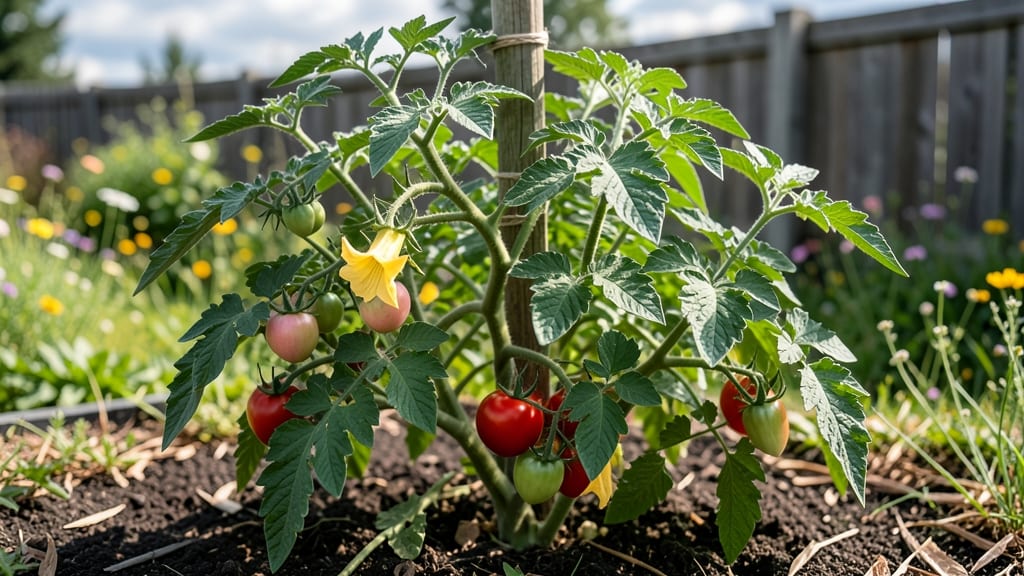
A fully grown tomato plant 🍅 is your ticket to a backyard bounty—but only if you know how to coax it into producing its best fruit.
Picture this: you’ve nurtured your plant from a tiny seedling, and now it’s towering over your garden, but the tomatoes are small, sparse, or never seem to ripen. That’s where the difference between a decent harvest and a bucketful of juicy red fruit lies.
Pruning, watering, and feeding at the right times can double—or even triple—your yield. I’ll walk you through the exact techniques to keep your plant thriving, from pinching back suckers to avoiding common pitfalls that steal your tomatoes before they’re ready.
By the end, you’ll know when to prune, how much to water, and which fertilizers to use to turn your fully grown tomato plant into a fruit-bearing powerhouse all season long.

How to prune a fully grown tomato plant for bigger harvests
Pruning your fully grown tomato plant isn’t just about keeping it neat—it’s a game-changer for your harvest. When done right, pruning redirects energy from leafy growth to fruit production, giving you 20-30% more tomatoes per plant.
The key is understanding when and how to prune based on your tomato variety, whether it’s indeterminate (vining types) or determinate (bush types). Let’s break it down so you can maximize your yield without sacrificing plant health.
First, identify your tomato type—this determines your pruning approach. Indeterminate varieties (like 'Sungold' or 'Better Boy') grow continuously and need aggressive pruning to support heavy fruit loads. Determinate varieties (like 'Roma' or 'Celebrity') produce fruit in one flush and require minimal pruning.
Mispruning can stress your plant or even reduce fruit size, so let’s get specific about the right techniques for each. Ready to transform your tomato game?
Step-by-Step Pruning Guide for Fully Grown Tomato Plants
- 1 Wait for the right time: Prune indeterminate tomatoes when plants are 3-4 feet tall and have 3-5 main stems. For determinate varieties, minimal pruning is needed—just remove suckers (side shoots) if they’re crowded.
- 2 Identify suckers: Look for small shoots growing in the leaf axils (where leaves meet stems). These are suckers—remove them to focus energy on fruit-bearing stems. Use your thumb and forefinger to snap them off cleanly.
- 3 Prune for airflow: Remove yellow or diseased leaves from the bottom 1/3 of the plant. This improves air circulation and reduces fungal diseases like blight. Use sterilized pruners to avoid spreading pathogens.
- 4 Support main stems: For indeterminate varieties, leave 1-2 strong main stems and prune weaker ones at the base. Use cages or stakes to support the remaining stems as they grow taller than 6 feet.
- 5 Balance growth and fruit: Stop pruning 2-3 weeks before harvest to let the plant focus on ripening existing fruit. Avoid pruning during hot afternoons to prevent stress on the plant.
- 6 Monitor and adjust: Check your plant weekly for new suckers or overcrowded branches. Determinate tomatoes may only need sucker removal if flowers are crowded, while indeterminate types benefit from ongoing pruning to maintain 3-4 main stems.
One common mistake I see is over-pruning, which can reduce your plant’s ability to photosynthesize and support fruit. For indeterminate varieties, aim to keep 3-5 main stems with 1-2 leaves between fruit clusters.
This balance ensures your plant has enough foliage for energy while still producing a heavy crop. Think of it like training a vine—you’re guiding its growth, not restricting it.
Pruning also helps prevent diseases like early blight, which thrives in dense, humid foliage. By removing lower leaves and crowded branches, you’re not just improving yield—you’re creating a healthier plant overall.
Just remember to sterilize your pruners with rubbing alcohol between cuts to avoid spreading bacteria or fungi. A little prevention goes a long way in the garden!
For determinate tomatoes, the approach is simpler but still effective. Focus on removing suckers that compete with fruit clusters and thinning out overlapping leaves to improve sunlight penetration.
These varieties produce fruit in one go, so pruning is more about maintaining plant health than boosting yield. Think of it as light maintenance rather than aggressive shaping.
Timing is everything when it comes to pruning. I recommend starting when your plant has 3-4 true leaves and continues through the growing season, but always pause 4-6 weeks before your first frost.
This gives your plant time to harden off and ripen existing fruit. If you’re in a short-season climate, prioritize pruning early in the season to maximize fruit production before cooler weather sets in.
Pro tip: Use a sharp pair of pruning shears for larger stems and your fingers for small suckers. This reduces tearing and helps the plant heal faster. If you’re growing in containers, be extra cautious—pruning too aggressively can limit root space and stress the plant.
Always leave enough foliage to support the plant’s current fruit load.
Finally, don’t forget to support your pruned plants with stakes or cages as they grow taller. A well-supported tomato plant can produce up to 20 pounds of fruit per season, but only if it’s not struggling to stay upright. Combine pruning with regular watering
Essential care tips for maximum fruit bearing in mature tomato plants
Now that your tomato plants are fully grown, they need precise care to convert all that energy into juicy, flavorful fruit. The difference between a meager harvest and a bountiful bounty often comes down to small adjustments in watering, feeding, and environmental conditions.
Let’s break down the science-backed methods to maximize your yield without common pitfalls.
First, water consistency is everything. Mature tomato plants need 1-2 inches of water weekly, delivered through deep watering sessions rather than light sprinkles. Shallow watering encourages weak roots and blossom end rot, while overwatering suffocates roots.
Aim for morning watering to let foliage dry before evening—this prevents fungal diseases like early blight.
Here’s the key takeaway for optimizing your fully grown tomato plant:
🌱 Maximize Fruit Bearing in 4 Steps
Deep soak every 3-5 days, morning only
Balanced 10-10-10 every 4-6 weeks
Remove suckers and yellow leaves weekly
6-8+ hours full sun daily; avoid shade
Next, fertilizer choices make or break fruit quality. Use a balanced 10-10-10 NPK fertilizer every 4-6 weeks to encourage both flowering and fruiting. Avoid high-nitrogen feeds—they’ll give you lush leaves but fewer tomatoes.
For organic options, try compost tea or fish emulsion during fruiting stages to boost flavor and shelf life.
Pests and diseases are the silent yield-killers. Watch for hornworms (they devour leaves overnight) and aphids (they weaken plants with sticky residue). Introduce beneficial nematodes or handpick pests early. For fungal issues like powdery mildew, improve air circulation by pruning crowded branches and apply neem oil preventatively.
Finally, temperature and humidity play critical roles. Tomatoes thrive in 70-85°F days but struggle below 50°F. Use row covers for early-season protection or shade cloth during heatwaves. Maintain 40-60% humidity—too much moisture invites disease, while dry air can cause blossom drop.
A simple trick? Mulch with straw or grass clippings to retain soil moisture and regulate temperature.
By mastering these four pillars—water, food, pests, and environment—your fully grown tomato plant will reward you with heavier, healthier fruit all season long. Start with one adjustment this week, like switching to morning watering, and watch your harvest grow! 🌿