
Plants
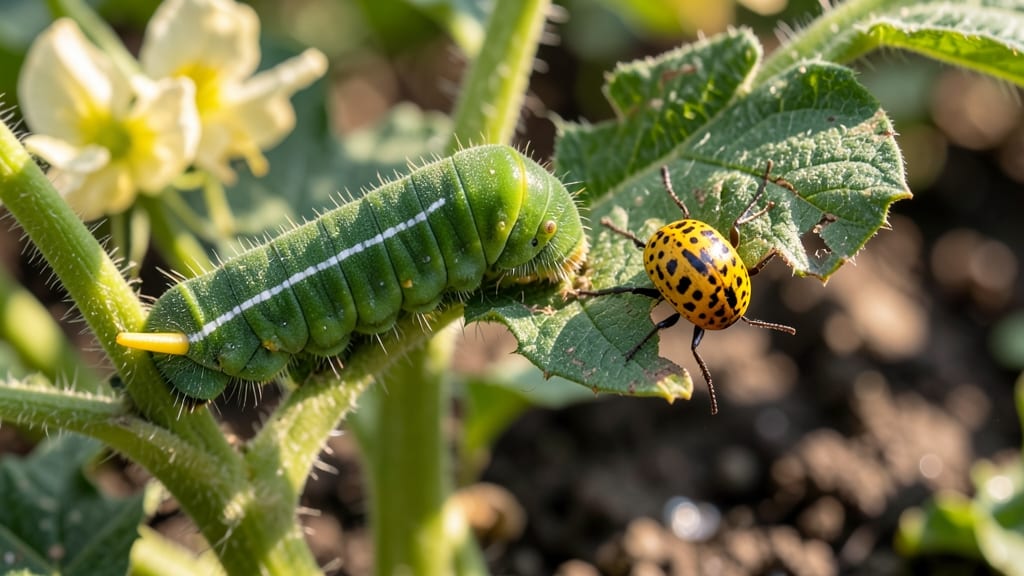
Tomato plants under siege by the bugs that eat tomato plants can turn your summer harvest into a sad memory—unless you know the culprits. 🌱 I’ve watched hornworms strip plants bare in hours and Colorado potato beetles chew through leaves like they’re in a buffet.
The good news? Identifying these pests early means you can stop them before they ruin your crop.
Hornworms leave behind skeletonized leaves and droppings, while aphids cluster on new growth, stunting plants. Colorado potato beetles? They’re the yellow-and-black invaders that devour foliage in waves. Each pest leaves distinct damage—knowing what to look for is half the battle. The other half? Acting fast with targeted solutions.
You’ll learn how to spot these invaders before they multiply and which organic sprays (neem oil, insecticidal soap) work best. Companion planting with basil or marigolds can deter pests naturally, while handpicking works for hornworms.
The goal isn’t just to eliminate bugs—it’s to protect your tomatoes without harming pollinators or the soil.
Even experienced gardeners lose battles to these pests, but prevention turns the tide. A few minutes of inspection now saves hours of regret later. Let’s get your tomatoes thriving again—without the unwanted guests.
Root Causes of Tomato Plant Invaders
Tomato plants are a garden’s delicious reward—but they’re also a gourmet buffet for pests. Understanding why these critters target your plants is the first step to outsmarting them. Here’s a breakdown of the key reasons your tomatoes are becoming a snack bar, backed by science and actionable insights.
Pests thrive where plants are stressed or overcrowded. When tomato plants compete for sunlight, water, and nutrients, their defenses weaken. Here’s how it plays out:
- Poor air circulation: Dense foliage traps moisture, creating a humid microclimate that attracts fungus gnats and hornworms. These pests love damp, shaded spots where they can hide and feed undetected. 🌡️
- Nutrient deficiencies: Plants lacking nitrogen, phosphorus, or potassium produce softer leaves and stems, making them easier targets for chewing insects like colorado potato beetles or stink bugs. A simple soil test can reveal imbalances.
- Root stress: Compacted soil or poor drainage stunts root growth, weakening the plant’s ability to fend off pests. Root maggots and cutworms exploit this by tunneling into vulnerable roots.
Actionable fix: Space plants 18–24 inches apart, prune lower leaves to improve airflow, and mulch with straw or wood chips to retain moisture without suffocating roots. 🌿
Tomatoes are nutrient powerhouses—and pests know it. Their sweet, juicy fruit and tender leaves are packed with sugars, proteins, and water, making them an all-you-can-eat buffet. Here’s what draws them in:
| Pest | Why They’re Drawn In | Peak Attraction Period |
|---|---|---|
| Aphids | Feed on sap, which is sweeter in stressed or over-fertilized plants (especially with high nitrogen). | Spring to early summer (new growth phase) |
| Fruitworms (e.g., hornworms) | Target flower buds and fruit—high in sugars and water, perfect for larval growth. | Summer (when tomatoes are flowering and fruiting) |
| Stink bugs | Pierce fruit to extract juices, drawn to ripe, flavorful tomatoes. | Late summer to fall (harvest season) |
| Whiteflies | Cluster on undersides of leaves, feeding on sap and excreting honeydew (which attracts mold). | Warm, humid conditions (year-round in greenhouses) |
Actionable fix: Avoid over-fertilizing with nitrogen (stick to a balanced 10-10-10 or 5-10-10 ratio). For organic growers, use compost tea or fish emulsion sparingly. 💡 Pro tip: Yellow sticky traps can reduce whitefly populations by disrupting their flight patterns.
Pests don’t attack randomly—they follow environmental cues. Temperature, humidity, and seasonal changes create the perfect storm for infestations:
- Warm, humid weather: Ideal for aphids, spider mites, and whiteflies, which thrive in temperatures above 75°F (24°C). High humidity also slows plant recovery, making them easier targets. 🌡️
- Dry spells: Drought-stressed plants produce thicker, tougher leaves—but also emit stress signals that attract stink bugs and leaf-footed bugs.
- Cool nights + warm days: Creates a perfect breeding ground for hornworms and cutworms, which lay eggs in soil warmed by sunlight but cooled by evening air.
- Rainy seasons: Excess moisture attracts slugs, snails, and fungus gnats, while also washing away natural predators like ladybugs.
Actionable fix:
- Use row covers in early spring to block pests before they arrive.
- Install a weather station or monitor local forecasts to time interventions (e.g., neem oil sprays on humid days).
- Mulch with gravel or sand in rainy climates to reduce soil moisture for slugs.
Even the best-intentioned gardener can unwittingly invite pests. Here’s how:
- Overwatering: Soggy soil is a breeding ground for root maggots and wireworms. Many gardeners drown plants thinking they need more water—tomatoes prefer deep, infrequent watering.
- Ignoring garden debris: Leaving pruned leaves, fallen fruit, or old mulch provides hiding spots for earwigs, cutworms, and stink bugs.
- Using contaminated tools or soil: Reusing pots, tools, or compost from infested areas can transfer pest eggs or larvae to new plants.
- Planting near pest hotspots: Tomatoes next to weeds, grass, or wild plants (like nightshade) can attract pests that jump to your crop.
Actionable fix:
- Water at the base of the plant in the morning to reduce humidity on leaves. ⏰
- Clean up debris weekly and rotate crops annually to break pest life cycles.
- Solarize soil in spring by covering it with clear plastic for 4–6 weeks to kill overwintering pests. 🔥
Natural Fixes for Tomato Plant Pests
Tomato plants are a gardener’s pride—but pests like aphids, hornworms, and Colorado potato beetles can turn that pride into frustration faster than you can say "blight." The good news? You don’t need harsh chemicals to save your harvest.
Below are targeted, eco-friendly solutions to tackle the most common tomato-munching bugs, along with prevention tips to keep your plants thriving.
Aphids cluster on leaves and stems, sucking sap and leaving behind sticky honeydew (which attracts mold). Here’s how to banish them fast:
🔥 Immediate Action: Blast Them Away
- Spray with soapy water: Mix 1 tsp mild dish soap + 1 quart water in a spray bottle. Directly hit aphids (they’ll drop off or die).
Repeat every 3–4 days until gone. - Introduce ladybugs: These natural predators love aphids. Buy them online or attract them with dill, fennel, or marigolds in your garden.
🌱 Long-Term Prevention
- Encourage beneficial insects: Plant basil, garlic, or chives near tomatoes—their scents repel aphids.
- Prune regularly: Remove heavily infested leaves to starve out colonies.
- Neem oil spray: Mix 1 tbsp neem oil + 1 tsp soap + 1 quart water.
Spray weekly as a deterrent (aphids hate it!).
These 5-inch caterpillars can devour a tomato plant in hours. Act fast with these low-tech tricks:
🍳 Manual Removal (Best for Small Gardens)
- Handpick at dawn/dusk (they’re slow then!). Drop them in soapy water (they’ll drown instantly).
- Check undersides of leaves—they camouflage as bird droppings or green twigs.
👨🍳 Biological Control: Let Nature Do the Work
- Parasitic wasps (like Cotesia congregata) lay eggs in hornworms—their larvae kill the caterpillar from the inside. Plant dill or parsley to attract them.
- Chicken or duck manure: Sprinkle around the base—ammonia scent deters hornworms.
🌡️ Chemical-Free Deterrents
- Bacillus thuringiensis (Bt): A natural bacteria that kills caterpillars when eaten. Mix with water and spray every 3–5 days.
- Crushed red pepper spray: Blend 1 tbsp cayenne pepper + 1 quart water, strain, and spray. Reapply after rain.
These striped beetles and their larvae skeletonize tomato leaves in days. Here’s how to crush their lifecycle:
🔪 Trap and Destroy Adult Beetles
- Handpick adults (they’re slow fliers) and drown in soapy water.
- Yellow sticky traps: Place near plants—the beetles mistake them for flowers.
🥘 Stop Larvae Before They Munch
- Diatomaceous earth (DE): Sprinkle food-grade DE around the base and on leaves. It dehydrates larvae (reapply after watering).
- Row covers: Use floating fabric over young plants to block beetles (remove at flowering for pollination).
🎯 Prevention for Next Season
- Rotate crops: Don’t plant tomatoes or potatoes in the same spot for 3+ years.
- Interplant with basil or nasturtiums: Their strong scents repel beetles.
These nighttime nibblers leave silver slime trails and ragged holes. Try these humane traps:
🌙 Beer Traps (Yes, Really!)
- Bury a small container (like a yogurt cup) with beer or milk up to the rim. Slugs crawl in and drown. Check daily and reset.
💡 Barrier Methods
- Copper tape: Wrap around pots—slugs get a mild electric shock when they touch it.
- Crushed eggshells or gravel: Create a 2-inch barrier around plants (slugs hate crawling over rough surfaces).
🌱 Natural Repellents
- Coffee grounds: Sprinkle around the base—caffeine deters slugs.
- Iron phosphate baits: Use organic slug pellets (like Sluggo) near the soil line.
- Healthy plants = fewer pests: Water at the base (not leaves) to prevent fungal issues that attract bugs.
- Companion planting: Marigolds, basil, and onions naturally repel many tomato pests.
- Crop rotation: Avoid planting tomatoes in the same spot yearly to break pest cycles.
- Inspect daily: 10 minutes of checking can save your plants before an infestation takes hold.
Remember: The key is early action. The moment you spot damage, act fast—whether it’s a soapy spray, a handpick, or a trap. With these methods, you’ll protect your tomatoes without chemicals and enjoy a bountiful, pest-free harvest! 🍅🌿
Frequently asked questions
What are the most destructive bugs that attack tomato plants?
The worst offenders are hornworms (green caterpillars that strip leaves in hours), Colorado potato beetles (yellow-and-black striped beetles that skeletonize foliage), and aphids (tiny sap-suckers that leave sticky honeydew). Stink bugs and slugs also cause significant damage by piercing fruit or chewing leaves at night.
How do I tell if my tomato plant has pests before the damage is severe?
Look for tiny holes in leaves (early aphid/stink bug damage), black droppings (hornworm or beetle frass), or silver slime trails (slugs). Check undersides of leaves daily—many pests hide there. Yellowing leaves or stunted growth also signal an infestation.
Are there any organic sprays that actually work against tomato pests?
Yes! Neem oil (mixed with water and soap) stops aphids and beetles, while Bacillus thuringiensis (Bt) kills caterpillars like hornworms. For slugs, iron phosphate baits are the safest organic option. Always spray early in the morning to avoid harming bees.
Can I save my tomato plants if they're already heavily infested?
It depends on the pest. For hornworms or beetles, handpick them daily and use row covers immediately. With aphids or whiteflies, a strong soapy water spray can revive plants in 3-5 days. Severely damaged plants may need pruning to redirect energy to new growth. Act fast—pests multiply quickly!
What's the best companion planting strategy to deter tomato pests naturally?
Plant basil, marigolds, or nasturtiums near tomatoes—their strong scents repel beetles and aphids. Garlic and onions also work well. For slug control, interplant with thyme or oregano, which they avoid. Rotate crops yearly to break pest life cycles.