
Pruning
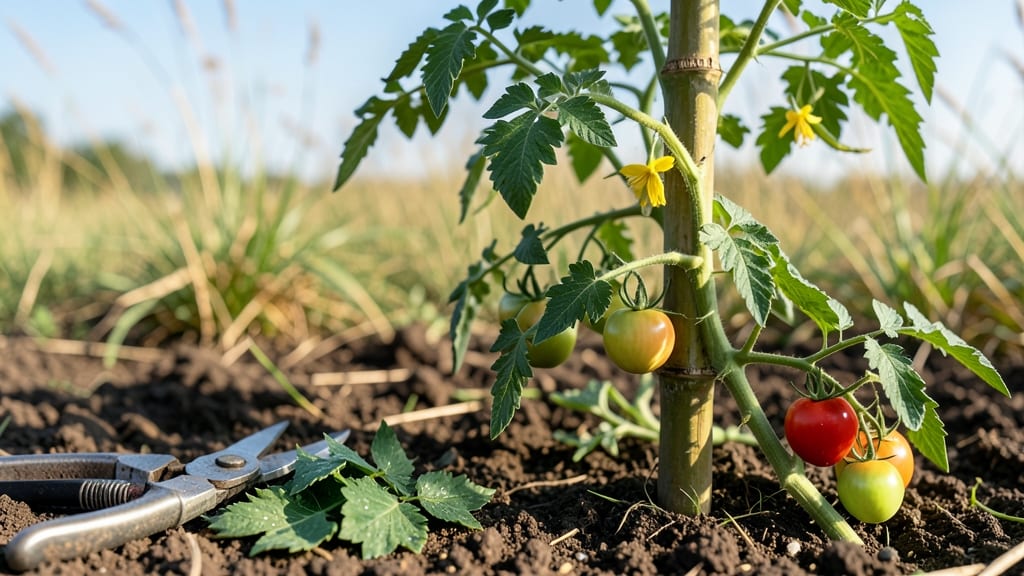
Pruning tomato leaves isn’t just about tidying up—it’s the secret to bigger harvests and healthier plants. 🌱 After my first overgrown tomato plant flopped last summer (thanks to poor airflow and blight), I learned that strategic pruning turns struggling vines into productive powerhouses.
The key? Removing the right leaves at the right time to boost air circulation, prevent disease, and direct energy to fruit production.
You’ll need sharp pruners (or clean scissors), a sunny day, and about 10 minutes per plant. Start early in the season by pinching off suckers—those little shoots growing between the stem and branches—and continue pruning lower leaves as the plant grows.
The goal is to keep the plant’s center open, letting sunlight and air reach the fruit clusters.
By the time your tomatoes are flowering, you’ll see the difference: fewer yellowing leaves, fewer pests, and fruit that ripens faster. The plants stay compact, making them easier to stake or cage, and you’ll avoid the heartbreak of blight wiping out your entire harvest.
It’s not just pruning—it’s a game-changer for your tomato game.
Works for both determinate (bush) and indeterminate (vining) tomatoes, whether you’re growing in the ground, containers, or raised beds. Once you master this, your neighbors will be asking for your pruning secrets—and you’ll have the satisfaction of knowing you grew the best tomatoes on the block.
📚 In This Guide
- What you need
- Instructions
- Tips and common mistakes
- Wrapping up and next steps
What you need
- ● Sharp pruning shears or scissors – Look for bypass pruners (not anvil-type) to avoid crushing stems.
- ● Clean, sterilized cutting tool – Rubbing alcohol (70% or higher) or a 10% bleach solution to prevent disease spread.
- ● Gloves – Garden or work gloves to protect your hands from thorns and dirt.
- ● Watering can or hose – For post-pruning hydration to help plants recover.
- ○ Small container or bucket – To collect pruned leaves (optional but helpful for composting!).
- ● Disinfectant spray – For quick tool sterilization between cuts.
- ● Pruning saw – Only needed for thick, woody stems (rare in tomato plants).
- ● Plant ties or stakes – If your tomatoes need support after pruning.
- ● Garden twine or clips – To secure branches if heavy pruning is done.
Step-by-step guide to pruning tomato leaves for bigger harvests
Here’s how I turn leggy tomato plants into productive powerhouses with just a few strategic cuts.
✂️ Step 1: Remove Suckers for Stronger Growth
Suckers are the small shoots that grow in the crotch between the main stem and branches. These energy vampires drain your plant instead of feeding fruit. Pinch them off cleanly with your fingers or sharp pruners when they’re about 2-3 inches long. I check for suckers every 5-7 days during the growing season—once they get bigger, they’ll compete with your tomatoes for nutrients.
Focus on the main stem first. Leave the first few suckers below the first flower cluster—these help support the plant. But above that, remove every sucker you find. You’ll see new growth redirecting energy to your existing tomatoes instead of these unnecessary stems. This is where patience pays off: a little time now means bigger fruit later.
☀️ Step 2: Prune Lower Leaves for Airflow and Sunlight
Start by removing all leaves from the bottom 12-18 inches of the plant. These lower leaves create a damp, shaded environment that invites disease. Use clean, sharp pruners to cut leaves at their base—don’t tear them, which can damage the stem. I like to do this on a dry morning so the cuts heal quickly.
Next, thin out crowded leaves higher up to improve airflow. Aim for 3-4 leaves per stem section, spacing them evenly. You’ll notice sunlight hitting the fruit clusters more directly, which speeds up ripening. This step is especially critical if your plants are in a humid climate or crowded garden bed.
✂️ Step 3: Trim Damaged or Diseased Foliage Immediately
Inspect your plants weekly for yellowing, spotted, or wilted leaves—these are red flags. Remove any affected leaves immediately by cutting ½ inch above the next healthy leaf. Never pull leaves by hand; this can tear stems and introduce pathogens. I always sanitize my pruners with rubbing alcohol between cuts to prevent spreading disease.
Pay special attention to the undersides of leaves, where pests like aphids hide. If you see signs of blight (brown spots with yellow halos), prune aggressively and destroy infected leaves right away. Healthy plants need strong airflow, and removing diseased foliage is the fastest way to protect your harvest.
🌿 Step 4: Encourage Fruit Production with Strategic Cuts
Once your tomato plants have set fruit, focus on preserving the top 4-5 leaves above the lowest cluster. These leaves provide energy for ripening. For indeterminate varieties, pinch back the growing tip when the plant reaches your trellis or cage height—this redirects energy to fruit production instead of vertical growth.
Watch for "blind" stems (branches with no flowers). These steal energy from fruiting branches. If you see a stem with no flowers or fruit after 4-6 weeks of growth, prune it back completely. You’ll see the difference in just a few weeks: fewer leaves but noticeably larger, healthier tomatoes.
Tips & tricks for pruning tomato leaves like a pro
These simple strategies will help you prune your tomato plants for maximum yield without sacrificing their health.
Timing Secret: Early morning is the best time to prune—leaves contain less moisture, so cuts heal faster. I always do my pruning between 8-10 AM when the plants are dry from overnight dew. This reduces the risk of disease entering through fresh cuts.
Tool Technique: Use clean, sharp pruners every time—dull blades crush stems and create larger wounds that invite infection. I keep a small bottle of rubbing alcohol handy to wipe down my pruners between cuts. For suckers, I actually prefer using my fingers to pinch them off cleanly at the base, which prevents tearing the stem.
Visual Cue: When pruning lower leaves, aim to expose the fruit clusters to sunlight. You'll know you've done it right when you can see sunlight reflecting off the tomato stems. This direct light exposure is what triggers faster ripening and better flavor development. I like to step back and look at my plants from a distance after pruning—it's amazing how much more open they look!
Seasonal Strategy: In hot climates, prune more aggressively to improve airflow and prevent fungal diseases. I've seen tomato plants in the South lose up to 50% of their leaves to blight when not pruned properly. Focus on removing any leaves that would shade the fruit clusters, especially during peak summer months when humidity is highest.
Pro Tips for Pruning Tomato Leaves
- These simple strategies will help you prune your tomato plants for maximum yield without sacrificing their health.
- Timing Secret: Early morning is the best time to prune—leaves contain less moisture, so cuts heal faster.
- Tool Technique: Use clean, sharp pruners every time—dull blades crush stems and create larger wounds that invite infection.
Frequently asked questions
Got questions about pruning tomato leaves? You’re not alone! Here are answers to the most common concerns—so you can confidently shape your plants for a bigger, healthier harvest.
Why should I prune tomato leaves at all?
Pruning improves airflow and sunlight penetration, reducing humidity around the plant (which fights fungal diseases like blight). It also directs energy toward fruit production instead of excessive foliage. Think of it like giving your tomatoes a spa day—less stress, more rewards!
When is the best time to prune tomato leaves?
Start pruning when your plants are 12–18 inches tall (usually 2–3 weeks after transplanting). Prune early in the day so wounds dry quickly. Avoid heavy pruning during hot afternoons or when fruit is already setting—focus on shaping, not over-trimming.
How much should I cut off? Can I remove too many leaves?
Remove 1–2 leaves per week (or up to 1/3 of the plant’s foliage) if needed. Over-pruning stresses the plant. For indeterminate varieties, leave 3–4 leaves below the fruit cluster. Pro tip: If you see yellowing leaves at the bottom, those can go first—they’re not contributing much anyway!
What if my tomatoes stop producing after pruning?
Don’t panic! A temporary slowdown is normal as the plant adjusts. Focus on keeping the plant well-watered and fed (use a balanced fertilizer). If growth stalls for more than 2 weeks, check for pests or nutrient deficiencies (like nitrogen). Pruning should boost, not hinder, production!
Are there any tomato varieties that don’t need pruning?
Yes! Determinate tomatoes (like Roma or Celebrity) grow in a bush shape and don’t benefit from heavy pruning. Instead, just remove diseased or damaged leaves. Indeterminate types (like Cherry or Beefsteak) thrive with pruning—so tailor your approach to your plant’s growth habit.
Still unsure? Start small—prune just a few leaves and monitor your plant’s response. Every garden is unique, and your tomatoes will thank you for the personalized care!
Wrapping up and next steps
Pruning your tomato plants might feel like a small task, but it’s a game-changer for healthier vines and bigger, juicier harvests! 🌱 By removing excess leaves and suckers, you improve airflow, reduce disease risk, and direct energy to fruit production.
Remember, consistency is key—check your plants regularly and prune with confidence.
Ready to see the results? Grab your pruners and get started today! Your future salads (and bragging rights) will thank you. 🍅✨